
Preparing switchgrass for the winter months is a process that begins long before the first frost settles on the landscape. As a native of the North American prairies, this grass is naturally adapted to survive extreme cold and fluctuating winter conditions without much assistance. However, a professional approach to overwintering ensures that the plant not only survives but also provides structural beauty and ecological benefits during the dormant season. Understanding the physiological changes the plant undergoes during this time is essential for its successful management through the coldest months of the year.
Preparing for the first frost
The transition into winter begins in late summer and autumn as the plant gradually slows its metabolic processes and enters dormancy. During this period, the vibrant green of the foliage gives way to stunning shades of gold, bronze, and red, signaling the movement of nutrients to the roots. It is important to avoid any heavy pruning or late-season fertilization that might stimulate new, tender growth. This young growth would be highly susceptible to frost damage and could drain the plant’s energy reserves.
As the temperatures drop, the cell membranes within the crown and roots undergo chemical changes that increase their resistance to freezing. This natural “hardening off” process is vital for the plant’s survival and is triggered by the shortening days and cooling soil. Maintaining consistent moisture throughout the autumn ensures that the plant is well-hydrated before the ground freezes. Dry plants are much more vulnerable to winter desiccation, which can lead to crown death in extreme cases.
A thin layer of organic mulch around the base of the plant can provide an extra layer of insulation for the root zone. This is particularly beneficial for newly planted or divided switchgrass that may not have a fully established root system yet. The mulch helps to stabilize soil temperatures and prevents the “heaving” that can occur during freeze-thaw cycles. Care should be taken not to pile the mulch directly against the stems, as this can encourage moisture buildup and rot.
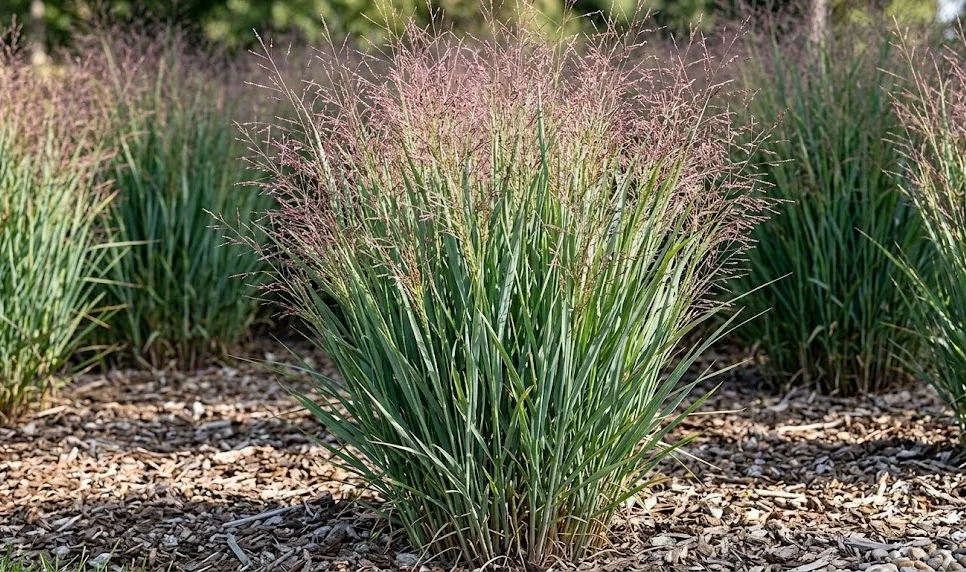
By the time the first hard frost arrives, the switchgrass should be fully dormant and ready for the winter ahead. The stems will turn a uniform tan or golden-brown color and become quite rigid and dry to the touch. This change in structure is what allows the grass to remain standing even under the weight of snow and ice. At this point, the plant requires very little from the gardener, allowing the natural cycle of the seasons to take over.
More articles on this topic
Structural integrity and winter interest
One of the most significant advantages of switchgrass in a winter landscape is its ability to provide vertical structure and visual interest. Unlike many other perennials that collapse at the first sign of frost, the sturdy stems of switchgrass often remain upright throughout the season. This provides a sense of architecture in the garden when most other plants have disappeared beneath the snow. The fine texture of the seed heads also catches frost and light, creating a beautiful and ethereal effect.
Professional garden designers often use switchgrass specifically for this winter presence, creating “four-season” interest in the landscape. The movement of the dried stems in the wind adds a dynamic element to an otherwise static winter scene. The rustling sound of the leaves is a unique sensory feature that can be quite soothing during the quiet winter months. Leaving the grass standing also helps to define different areas of the garden when the boundaries are blurred by snow.
The height and density of the standing grass also serve a functional purpose by acting as a natural windbreak for other, more delicate plants. In large-scale plantings, switchgrass can help trap drifting snow, which acts as a fantastic insulator for the ground beneath it. This snow cover protects the soil from the drying effects of cold winter winds and provides much-needed moisture when it melts in the spring. This ecological function is a key part of the plant’s role in its native habitat.
While the structural integrity of the grass is high, exceptionally heavy snow or ice storms can occasionally cause some stems to bend or break. If this happens, it is usually best to leave the plant alone until the spring cleanup rather than trying to fix it in the middle of winter. The broken stems still provide some protection for the crown and continue to serve as a resource for local wildlife. Most varieties will bounce back and regain their upright form once the weight of the snow is removed.
More articles on this topic
Root protection and moisture management
The most critical part of the switchgrass plant during the winter is the crown, which is located just at or below the soil surface. This is where the buds for next year’s growth are located, and its survival is paramount for a successful spring recovery. While the roots themselves can tolerate very low temperatures, the crown can be damaged by extreme fluctuations or excessive moisture. Ensuring that the planting site has good drainage is the most effective long-term strategy for protecting the crown.
In regions with very little snow cover, the soil can freeze deeply and dry out significantly, a condition known as winter drought. If the winter is unusually dry and the ground is not frozen, an occasional deep watering during a warm spell can be beneficial. This is rarely necessary in most temperate climates but can be a lifesaable for plants in containers or very sandy soils. The goal is to keep the roots slightly moist but never saturated or sitting in ice.
The standing foliage of the grass actually plays a vital role in protecting the crown by shading it from the winter sun. This shade helps to keep the soil temperature more consistent and prevents premature waking of the plant during a mid-winter warm spell. If the plant were to start growing too early, a subsequent freeze would likely kill the new shoots and severely weaken the plant. This is another reason why professional gardeners recommend waiting until spring to cut the grass back.
Overwintering in containers requires a slightly different approach, as the roots are much more exposed to the cold than they would be in the ground. Potted switchgrass should be moved to a sheltered location, such as against a south-facing wall or into an unheated garage. The containers can also be wrapped in insulating material or buried in a pile of mulch to provide extra protection. Consistent monitoring of moisture levels is even more important for containerized plants during the winter months.
Late winter management and spring transition
As winter begins to wane and the days grow longer, the gardener’s focus shifts toward preparing the switchgrass for its new growth cycle. This late winter period is a time of anticipation, as the dormant buds in the crown begin to sense the increasing light and warmth. While it may be tempting to start cleaning up the garden on the first warm day, it is important to wait until the right moment. Cutting back the grass too early can expose the crown to late-season frosts that can still cause damage.
The ideal time for the annual cut-back is usually in late winter or very early spring, just before the new green shoots begin to emerge. This ensures that the old foliage is gone before it becomes entangled with the new growth, which makes the job much easier and tidier. Using a pair of sharp hedge shears or a mechanical trimmer, the stems should be cut to within four to six inches of the ground. This “haircut” allows sunlight and air to reach the center of the crown, stimulating a healthy and even start to the season.
The removed stems and foliage are a valuable resource and should not be simply thrown away if they are free of pests and diseases. They can be shredded and used as a high-carbon mulch in other parts of the garden or added to the compost pile. This recycling of nutrients is a fundamental principle of sustainable and professional gardening practices. The hollow stems can also be saved and used to create nesting sites for solitary bees, further enhancing the garden’s ecological value.
Once the old growth is cleared away, the area around the base of the plant should be inspected for any issues that may have developed over winter. This is a good time to check for heaving, pest damage, or any weeds that may have germinated during a warm spell. A light application of compost can be added to the soil surface to provide a gentle boost of nutrients for the coming year. With the winter management complete, your switchgrass is ready to begin another spectacular season of growth and beauty.