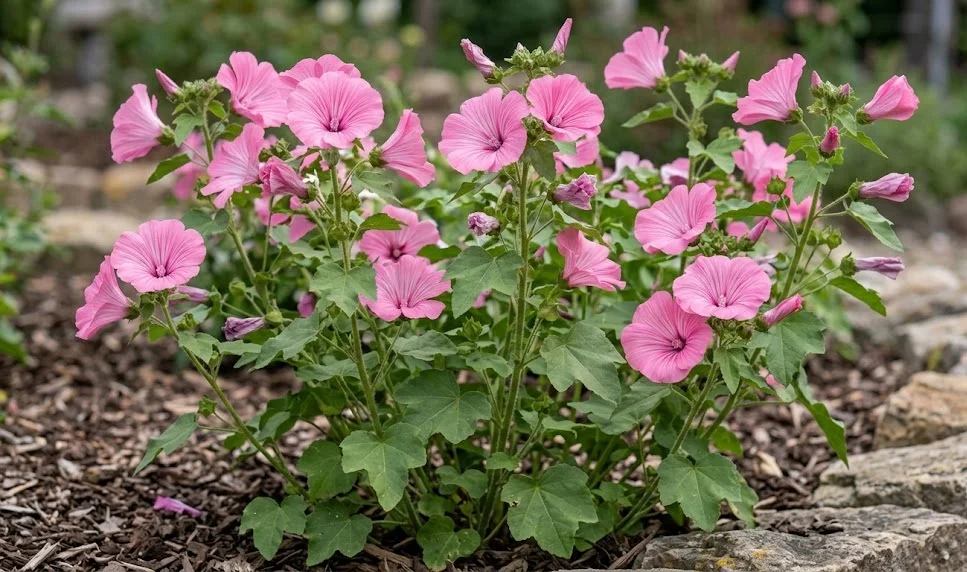

Managing the transition into the colder months is a crucial part of the rose mallow’s lifecycle, even though it is primarily treated as an annual in many climates. You must understand that while the parent plant may not survive a hard freeze, the preparations you make in the autumn determine the success of next year’s display. A professional approach to overwintering involves a combination of seed preservation, soil protection, and careful cleanup of the garden site. By following these steps, you can ensure that the beauty of the rose mallow returns to your garden with even more vigor in the following spring.
Understanding the annual lifecycle and cold tolerance
The rose mallow is naturally adapted to warm seasons and completes its entire reproductive cycle within a single growing period. You should realize that in most temperate regions, the plant is genetically programmed to die back once the temperatures drop below freezing. Trying to keep the original plant alive through a harsh winter is often a futile effort that yields poor results compared to starting fresh seeds. Recognizing this natural cycle allows you to focus your energy on the most productive overwintering tasks, such as seed harvesting.
In certain mild climates or sheltered microclimates, some varieties may exhibit perennial-like behavior if the roots are protected from freezing. You can experiment with this by cutting the stems back to about ten centimeters and applying a very thick layer of insulating mulch. This “living mulch” acts as a thermal blanket that keeps the soil temperature stable and protects the crown of the plant. While success is not guaranteed, a mild winter combined with excellent drainage can sometimes allow the plant to resprout in the spring.
The timing of the plant’s decline is dictated by both the decreasing day length and the falling night temperatures in late autumn. You will see the foliage lose its vibrant green color and the stems start to become woody and brittle as the plant redirects its energy. This transition is the signal that the active growth phase has ended and the period of dormancy or death has begun. Monitoring these changes allows you to plan your final garden tasks before the ground becomes too cold to work with comfortably.
Preparing for the end of the season involves a mental shift from maintenance to preservation and planning for the future. You should take photos of your best specimens and note their locations so you can replicate or improve upon the design next year. This information is a vital part of a professional gardening practice that treats every season as a learning opportunity. Clear documentation ensures that you don’t forget which colors and heights worked best in specific areas of your landscape.
More articles on this topic
Harvesting and storing seeds for the next season
Collecting your own seeds is the most reliable way to “overwinter” the genetics of your favorite rose mallow varieties. You should wait until the seed pods have completely dried on the plant and turned a dark brown or black color. If you harvest them too early, the seeds may not be fully mature and will have a much lower germination rate when you try to sow them. Checking the pods daily during the dry days of autumn ensures that you catch them before they split open and spill their contents.
Once harvested, the seeds must be thoroughly dried in a well-ventilated area away from direct sunlight for several days. You should spread them out in a single layer on a paper towel or a fine mesh screen to ensure that no moisture is trapped between them. Any residual dampness can lead to mold and rot during the storage period, which will ruin your entire collection. Testing the seeds by trying to snap one with your fingernail can give you an idea of whether they are dry enough for long-term storage.
Proper storage containers are essential for maintaining the viability of the seeds throughout the long winter months. You should use paper envelopes or glass jars, making sure to label each one with the variety name, color, and the date of harvest. Storing the containers in a cool, dark, and dry place like a basement or a refrigerator is the professional standard for seed preservation. Avoid plastic bags if there is any chance of moisture being present, as they can trap humidity and encourage fungal growth.
Regularly checking your seed stock during the winter is a good practice to ensure that no pests or moisture have compromised your collection. You are looking for any signs of insect activity or changes in the appearance of the seeds that might indicate a problem. A well-managed seed bank gives you the freedom to plant large drifts of rose mallow next year without the expense of buying new packets. This cycle of saving and sowing is the true heart of sustainable and expert gardening.
More articles on this topic
Site cleanup and soil preparation
Removing the dead plant material is an essential step in preventing the carryover of pests and diseases into the next growing season. You should cut the spent stems down to the ground level and remove them from the garden bed entirely. Composting the healthy tissue is a great way to recycle nutrients, but any diseased parts should be disposed of in the trash. Leaving old mallow debris on the ground can provide a sanctuary for fungal spores and insect eggs that will emerge in the spring.
Once the area is cleared, you should take the opportunity to amend the soil with high-quality organic matter like compost or well-rotted manure. You can spread a five-centimeter layer over the surface and gently work it into the top few centimeters of the soil. This replenishes the minerals that were used up during the intense blooming season and improves the soil structure for next year’s crop. A well-nourished soil is much more productive and resilient, giving your new seedlings the best possible start.
Managing the soil’s moisture levels through the winter is important for maintaining a healthy population of beneficial soil organisms. You should ensure that the garden bed is not allowed to become a swamp, as standing water can lead to anaerobic conditions that harm the soil structure. If your soil is naturally heavy, you might consider creating slightly raised mounds or improving the drainage before the spring arrives. Healthy soil is a living ecosystem that requires oxygen and moderate moisture even when there are no plants growing in it.
The use of cover crops or winter mulches can help protect the bare soil from erosion and nutrient leaching during heavy rains. You can sow a fast-growing green manure like clover or winter rye that will hold the soil in place and add even more organic matter when dug in. Alternatively, a thick layer of straw or wood chips can prevent the surface from crusting and keep the soil temperature more consistent. Professional site management involves thinking about the health of the earth during the “off-season” just as much as during the peak growth.
Planning and preparation for the spring return
Winter is the perfect time to review your garden layout and decide where the rose mallow will fit into your plans for the coming year. You should consider the successes and failures of the past season and think about new color combinations or structural arrangements. Reading through nursery catalogs or horticultural journals can provide fresh inspiration and introduce you to new varieties that might enhance your collection. A professional-grade garden is the result of careful planning and a vision that extends far beyond a single growing season.
Ordering any new seeds or supplies early in the winter ensures that you have everything ready for the first seed-starting dates in late winter. You should check your inventory of pots, soil mixes, and labels to avoid a last-minute rush when the timing is critical. Having a dedicated space for your propagation activities makes the entire process more efficient and enjoyable. Preparation is the key to a stress-free transition from the dormant winter months to the busy spring planting season.
Refining your propagation schedule based on the actual frost dates for your specific region is a mark of an expert gardener. You should aim to have your seedlings at the perfect stage of development just as the soil warms up and the danger of frost has passed. Starting too early can result in root-bound and stressed plants, while starting too late will delay the flowering period significantly. Using a garden calendar or a digital tracking tool can help you stay on top of these important milestones.
The final step of the overwintering process is the mental preparation for the physical work that the new season will bring. You should use the quiet winter months to rest and recharge so that you have the energy and enthusiasm needed for the spring rush. Successful gardening is a marathon, not a sprint, and respecting the natural rhythms of the seasons is essential for long-term enjoyment. By the time the first spring bulbs appear, you will be ready to start the cycle of the rose mallow once again.