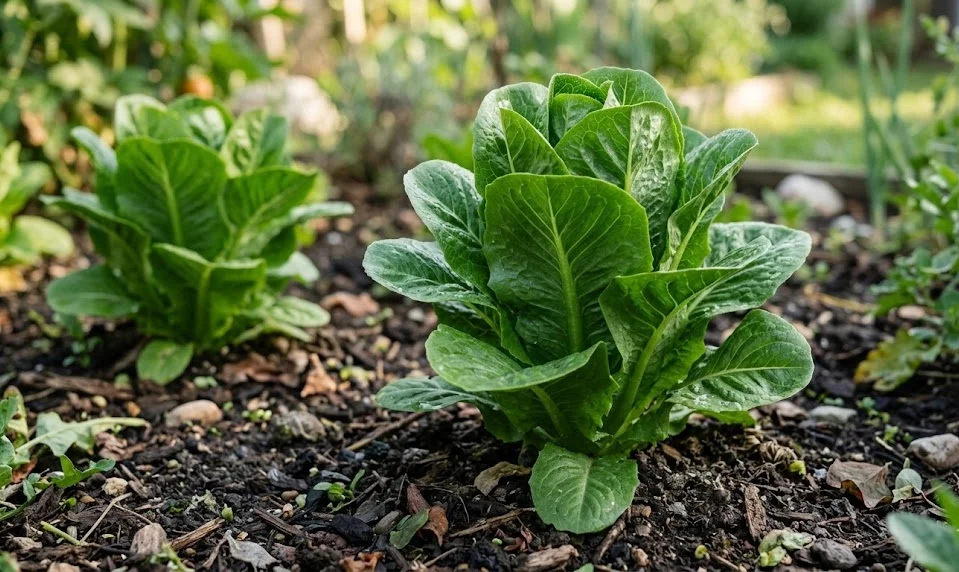

Many people are surprised to learn that romaine lettuce is remarkably resilient and can often survive temperatures well below freezing. This cold hardiness makes it an excellent candidate for overwintering in many regions, allowing for a very early spring harvest. The key to success is understanding how the plant’s physiology changes in response to the shorter days and falling temperatures of autumn. As the weather cools, the lettuce naturally slows its growth and begins to concentrate sugars in its leaves, which acts as a form of antifreeze.
Selecting the right variety is the most important decision you will make when planning to overwinter your romaine lettuce. Some cultivars have been specifically bred for their ability to withstand harsh winter conditions and bounce back in the spring. Look for descriptions such as “winter hardy” or “cold tolerant” when you are browsing through seed catalogs in the late summer. These specialized varieties are much more likely to survive the dormant period and provide you with fresh greens early in the year.
The timing of your autumn planting is also a critical factor in how well your lettuce will survive the winter months. You want the plants to be well-established with a strong root system before the first hard freeze arrives, but not so large that they are ready to harvest. Ideally, the plants should have about four to six true leaves by the time the growth slows down in the late autumn. If they are too small, they may not have enough energy to survive, and if they are too large, the foliage may be more prone to frost damage.
Location within the garden can make a significant difference in the survival rate of your overwintering crops. A south-facing slope or a spot near a brick wall can provide a slightly warmer microclimate that protects the plants from the worst of the winter chill. Avoiding low-lying areas where cold air tends to pool can also help to keep your lettuce just a few degrees warmer during the night. Taking advantage of these natural features in your landscape is a clever way to improve your gardening success.
Using protective structures for winter survival
Even the most cold-hardy romaine lettuce will benefit from some form of physical protection during the coldest parts of the winter. Cold frames are a classic choice for gardeners, providing a simple yet effective way to trap solar heat and shield plants from the wind. These structures consist of a bottomless box with a transparent lid that can be opened on sunny days to prevent over-heating. They act like a miniature greenhouse, extending your growing season and keeping your greens safe from snow and ice.
More articles on this topic
Cloches and row covers are other excellent options for providing localized warmth and protection to your vegetable rows. Individual cloches can be made from glass or plastic and are placed over each plant to create a protected environment. Floating row covers are made of lightweight fabric that allows light and water to pass through while trapping a layer of warm air near the soil surface. Both of these methods are easy to install and can be removed quickly when the weather begins to warm up in the spring.
Low tunnels made from plastic sheeting and wire hoops offer a more substantial level of protection for larger garden beds. These tunnels create a buffer against the elements and can keep the temperature inside significantly warmer than the surrounding air. It is important to ventilate these structures on bright, sunny days to prevent the build-up of humidity and heat, which can lead to disease. Properly managed tunnels can keep your romaine lettuce in perfect condition even when the ground outside is frozen solid.
Using natural materials like evergreen boughs or a thick layer of loose straw can also provide effective insulation for your overwintering plants. These materials trap air and provide a barrier against the drying effects of winter winds and fluctuating temperatures. Be careful not to use heavy materials that might crush the delicate foliage or trap too much moisture around the crown of the plant. Natural covers are particularly useful in areas with consistent snow cover, which itself acts as a wonderful insulator for the garden.
Soil care and moisture management in winter
While the growth of your romaine lettuce slows down significantly in the winter, the roots still need a healthy environment to survive. It is important to ensure that your garden beds have excellent drainage to prevent the soil from becoming waterlogged during periods of rain or snowmelt. Standing water in a cold garden can quickly lead to root rot and the death of your plants, regardless of how hardy they are. If your soil is naturally heavy, consider growing your winter crops in raised beds to improve drainage.
More articles on this topic
Watering your overwintering lettuce is still necessary, although you will need to do it much less frequently than in the summer. You should check the moisture levels during periods of dry winter weather, especially if the ground is not frozen. Water the plants in the morning on a day when the temperatures are expected to be above freezing so the moisture can soak in. Frozen soil acts as a physical barrier, so you must wait for a thaw to provide any needed hydration to the roots.
Applying a fresh layer of organic mulch in the late autumn can help to regulate soil temperatures and protect the roots from the effects of “heaving.” Heaving occurs when the soil freezes and thaws repeatedly, which can push plants out of the ground and expose their roots to the cold air. A good mulch layer acts as an insulator, keeping the ground at a more consistent temperature and reducing the risk of this happening. Materials like shredded leaves or clean straw are perfect for this important winter task.
Avoid applying nitrogen-rich fertilizers in the late autumn, as this can encourage a flush of new growth that is very susceptible to frost damage. You want the plants to enter a state of dormancy or very slow growth to maximize their natural cold resistance. Save your fertilizing efforts for the early spring when the plants begin to show signs of new life and the weather becomes more favorable. Focus on maintaining a stable and protected environment during the winter months to ensure survival.
Transitioning from winter to spring growth
The transition from the cold dormant period to the active growth of spring is a delicate time for your overwintered romaine lettuce. As the days become longer and the sun grows stronger, the plants will begin to produce new leaves from their center. This is a very exciting time for any gardener, as it signals the start of a brand new growing season. Monitor your plants closely during this phase and be prepared to provide protection if a sudden late-spring frost is predicted.
Once you see active new growth, you can begin to gradually remove any heavy winter protection you have been using. Start by opening cold frames or lifting row covers during the day to allow the plants to get used to the fresh air and direct sunlight. If you have used straw or evergreen boughs, you can slowly thin them out over a week or two. This gradual hardening-off process prevents the tender new growth from being shocked by the sudden change in conditions.
Early spring is the perfect time to provide a light feeding of balanced fertilizer to help your lettuce gain momentum. As the soil warms up, the roots will become more active and better able to take up the nutrients they need for rapid leaf production. A liquid fertilizer or a light top-dressing of compost can give your plants the boost they need to reach harvest size quickly. You will be amazed at how fast the plants can grow once the spring weather really takes hold.
Harvesting your overwintered romaine lettuce is one of the greatest rewards for your winter gardening efforts. These plants often produce some of the most flavorful and tender leaves you will ever taste because they have grown slowly in cool conditions. You can start by harvesting the outer leaves or wait until the entire head is ready for a full-scale salad. Enjoying fresh greens from your own garden while your neighbors are still waiting to plant their first seeds is a true professional achievement.