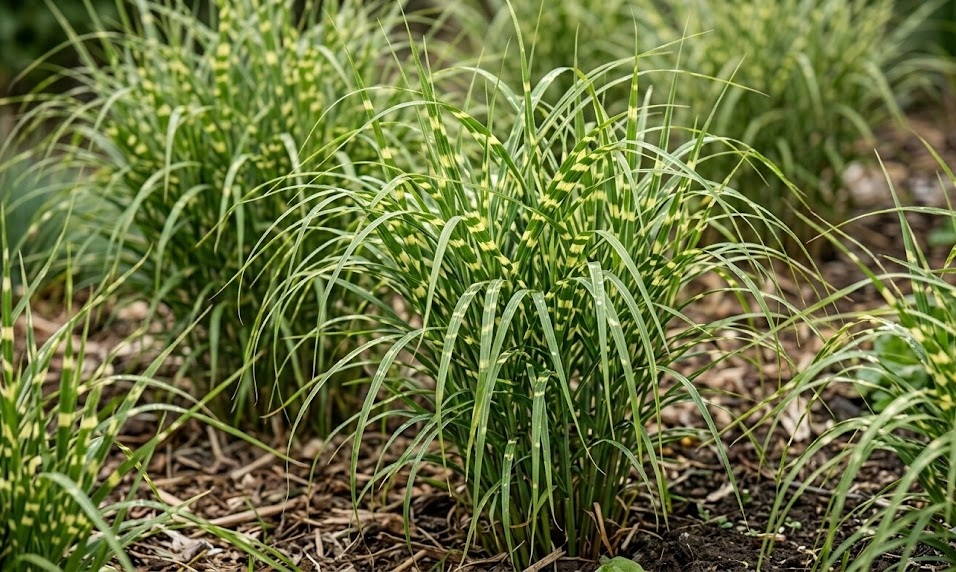

Preparing zebra grass for the cold season is a vital part of maintaining a professional and healthy garden landscape. While this species is hardy in our climate, the way you manage it during winter affects its performance the following spring. Proper overwintering techniques protect the delicate crown of the plant from freezing temperatures and excessive moisture. Following these steps ensures that your grass returns with vigor once the temperatures begin to rise again.
As the autumn progresses, the vibrant green and yellow foliage of the zebra grass will naturally transition to a beautiful straw-colored tan. You should resist the urge to cut the plant back as soon as it turns brown in the late fall. The dead leaves and stems actually serve a very important functional purpose during the coldest months of the year. They act as a natural insulation layer that protects the base of the plant from the harshest winter winds.
The structural beauty of the dried grass also provides significant visual interest in a winter garden that might otherwise look empty. Many gardeners appreciate the way the tall, tan stems stand out against a backdrop of fresh white snow. The seed heads can also be a valuable source of food and shelter for small birds during the winter. Keeping the foliage intact until spring is both a practical and an aesthetic choice for the landscape.
Excessive winter moisture is often a bigger threat to zebra grass than the actual cold temperatures. In areas with heavy snowfall or frequent rain, the crown of the plant can become saturated and prone to rotting. By keeping the stems standing, you allow water to drain away from the center of the clump rather than pooling inside it. This natural drainage system is the plant’s best defense against the “wet feet” that can be fatal during dormancy.
Tying and structural preparation
One of the most professional ways to prepare your zebra grass for winter is to tie the stems together into a bundle. You can use garden twine or even a length of flexible wire to secure the foliage about halfway up the height of the plant. Tying prevents the long stems from being flattened by heavy snow or scattered across the lawn by strong winter gales. This keeps the garden looking neat and tidy even in the middle of a winter storm.
More articles on this topic
When tying the grass, make sure the bundle is firm but not so tight that it prevents all air circulation. You want to create a structured “tepee” shape that allows the wind to flow around it rather than catching it like a sail. This technique also makes the spring cleanup much easier because the old growth is already collected into a neat package. It is a simple task that takes only a few minutes per plant but offers significant benefits.
If you have very large or established clumps, you might need to tie them in two or three different places. Start near the base and work your way up to ensure the entire mass of foliage is well-supported. This is particularly important for the ‘Zebrinus’ cultivar, as its tall stems can become quite heavy when wet. A well-tied grass is a sign of a well-maintained garden that respects the natural cycle of the seasons.
If you live in a particularly windy area, you might even consider using a wooden stake for extra support. Drive the stake into the ground near the center of the clump and tie the stems directly to it. This provides a solid anchor that prevents the entire plant from leaning or being uprooted during a severe weather event. While usually not necessary in suburban gardens, it is a great precaution for more exposed agricultural or rural sites.
Mulching for root protection
Protecting the root system is the most critical part of ensuring a successful overwintering process for any perennial. Even though zebra grass is hardy, the freeze-thaw cycle of the soil can sometimes push the roots toward the surface. Applying a thick layer of organic mulch around the base of the plant in late autumn helps to stabilize the soil temperature. This layer acts like a blanket, keeping the roots at a more consistent temperature throughout the winter.
More articles on this topic
You can use a variety of materials for mulching, including wood chips, shredded bark, or even fallen leaves from nearby trees. Aim for a layer that is about five to ten centimeters thick for the best results in our climate. Be careful to keep the mulch a small distance away from the actual stems to prevent moisture from being trapped against the crown. This simple barrier can make a huge difference in how quickly the plant wakes up in the spring.
In very cold regions, some gardeners even use evergreen boughs or straw to provide an extra layer of protection over the crown. These materials are excellent because they provide insulation while still allowing for plenty of air movement. If you use straw, make sure it is weed-free so you don’t accidentally introduce new problems into your flower beds. Remove these extra layers as soon as the ground begins to thaw and stay thawed in the early spring.
The mulch you apply in the winter will slowly break down over the following months, enriching the soil with organic matter. This means that your overwintering efforts are also contributing to the long-term fertility of your garden. It is a perfect example of how professional maintenance tasks often provide multiple benefits for the health of the entire ecosystem. Sustainable gardening practices are built on these small, consistent actions that work with nature’s patterns.
Spring awakening and cleanup
As the days begin to lengthen and the soil starts to warm up, you should watch for the first signs of new life. This is the signal that the overwintering period is coming to an end and it is time for the spring cleanup. You should aim to cut back the old, tied foliage before the new green shoots emerge from the center of the clump. If you wait too long, you might accidentally damage the tips of the new growth with your shears.
Use a pair of sharp hedge shears or a specialized grass knife to cut the stems as close to the ground as possible. Aim for a height of about ten to fifteen centimeters above the soil level to give the new growth plenty of room. Because you tied the stems together in the autumn, you can simply carry the entire bundle to the compost pile. This makes the job fast, efficient, and very satisfying for any organized gardener.
Once the old growth is removed, you can gently rake away any remaining debris or old mulch from the center of the crown. This allows the sun to hit the soil directly, which speeds up the warming process and encourages faster growth. If you notice any dead or woody parts in the center of the clump, this is also a good time to plan for a future division. A clean start in the spring is the best way to ensure another year of beautiful zebra grass.
Finally, take a moment to inspect the health of the roots and the overall condition of the soil after the winter. If the soil seems very compacted, you can lightly loosen it with a hand fork, being careful not to disturb the roots. This is also the perfect time to apply a fresh layer of compost or a light application of balanced fertilizer. Your zebra grass has successfully survived the winter and is now ready to begin its spectacular summer display once again.