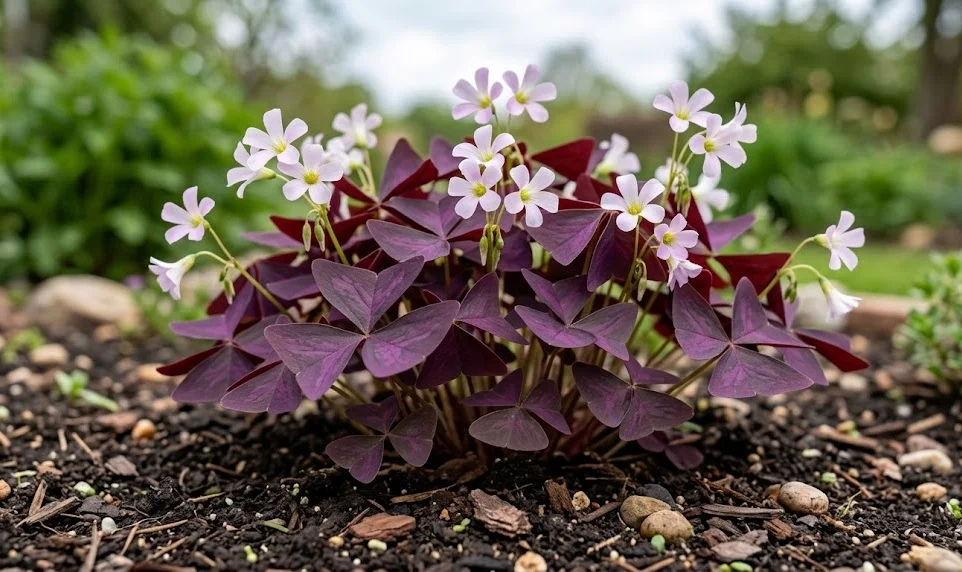

For many gardeners, the challenge of maintaining wood sorrel through the colder months is a key part of the annual horticultural cycle. While some species are hardy enough to survive in the ground, many popular ornamental varieties require specific intervention to endure freezing temperatures. Understanding the physiological shift the plant undergoes as it enters dormancy is essential for a successful overwintering strategy. By providing the right conditions during this period of rest, you ensure that the bulbs remain viable and ready to burst into growth when spring returns.
Recognizing the dormancy phase
The process of overwintering begins not with the first frost, but with the plant’s internal recognition of shorter days and cooler nights. You will notice a gradual decline in the production of new leaves, and the existing foliage may lose its vibrancy or start to turn yellow. This is a natural signal that the plant is withdrawing its energy into the underground bulbs or tubers for protection. It is important not to confuse this with illness; instead, see it as the plant preparing for its seasonal “sleep.”
As the foliage continues to die back, you should begin to reduce your watering frequency to match the plant’s decreasing metabolic needs. If you continue to water heavily during this transition, you risk the bulbs rotting just as they are trying to enter a state of rest. The goal is to let the soil dry out significantly, allowing the leaves to wither completely on their own. This slow transition allows the bulb to reabsorb as many nutrients and as much energy as possible from the dying foliage.
In many regions, this phase occurs in late autumn, but for some species, dormancy can be triggered by the peak heat of summer as well. Regardless of the season, the visual cues remain the same: a general slowing of growth and a fading of the plant’s overall appearance. Once the foliage is entirely brown and brittle, it can be gently pulled away or cut back to the soil level. The plant is now officially dormant, and the focus of care shifts from the leaves to the hidden bulbs beneath the surface.
Labeling your pots or garden areas is a crucial step during this phase, as an empty pot of soil can easily be forgotten or accidentally replanted. Use durable tags that can withstand cold or damp conditions, noting the variety and the date it entered dormancy. This organization is particularly helpful if you have a large collection of different wood sorrel species with varying needs. Knowing exactly what is resting where allows you to plan your spring garden with precision and avoid disturbing the dormant bulbs prematurely.
More articles on this topic
Storage of bulbs and tubers
For varieties that are not cold-hardy, lifting the bulbs from the garden or moving containers to a protected area is the safest way to ensure survival. If you are lifting bulbs from the ground, do so carefully after the first light frost has finished off the remaining foliage. Gently shake off the excess soil, but avoid washing them, as excess moisture can encourage fungal growth during storage. The bulbs should be allowed to air-dry in a cool, shaded spot for a few days until the outer surfaces are firm and dry to the touch.
Once dried, the bulbs should be stored in a breathable medium such as dry peat moss, vermiculite, or even shredded paper. This medium provides a layer of insulation while also absorbing any tiny amounts of moisture that might lead to rot. Place the bulbs and the storage medium in a cardboard box or a paper bag, ensuring there is enough space for air to circulate between the individual units. Avoid using airtight plastic containers, as these can trap moisture and create a lethal environment for the living tissues within the bulbs.
The ideal storage location is one that remains consistently cool but strictly above freezing, such as a basement, a root cellar, or an unheated garage. Temperatures between 5 and 10 degrees Celsius are generally perfect for maintaining dormancy without the risk of frost damage or premature sprouting. Check on your stored bulbs once a month to ensure they remain firm and show no signs of mold or shriveling. If a bulb feels soft or looks diseased, remove it immediately to prevent the problem from spreading to the rest of the collection.
For plants kept in containers, you can often leave the bulbs in their original pots for the winter, provided the soil is kept almost entirely dry. Move the entire pot to the same cool, frost-free location used for stored bulbs, away from direct sunlight and drafts. This “dry pot” method is often easier on the plant and the gardener, as it avoids the stress of lifting and replanting. However, the same rules of temperature and moisture control apply; the soil must not freeze and should only receive a tiny amount of water every few months to prevent total desiccation.
More articles on this topic
Environmental control during winter
Maintaining a stable environment is the most critical factor for successful overwintering, as fluctuating temperatures can “wake up” the plant too early. If a storage area becomes too warm for a few days, the bulbs may begin to send out pale, weak sprouts that waste their stored energy. If this happens, try to move the bulbs to a cooler spot immediately to slow down the process and preserve their reserves. The goal is to keep the plant in a state of deep rest until the natural outdoor conditions are favorable for growth.
Humidity in the storage area should be monitored, as excessively dry air can cause smaller bulbs to shrivel and die before spring. If the air in your basement or garage is very dry, you can lightly mist the storage medium once or twice over the winter, but be extremely careful not to overdo it. The medium should feel barely damp, never wet. Conversely, if the area is too damp, you may need to add a small fan to improve air circulation and prevent the buildup of stagnant, humid air.
Protection from rodents and other pests is another consideration for bulbs stored in garages or sheds. Mice and squirrels often find dormant bulbs to be an attractive food source during the lean winter months. Storing your boxes in a wire mesh cage or using containers with secure but breathable lids can help keep these hungry visitors at bay. It is disheartening to find your carefully preserved collection has been turned into a winter snack, so proactive protection is always a wise investment.
For those in milder climates where some wood sorrel species can stay in the ground, a thick layer of mulch provides an essential winter blanket. Use materials like straw, fallen leaves, or evergreen boughs to insulate the soil and prevent the ground from freezing and thawing repeatedly. This cycle of temperature changes can “heave” bulbs out of the soil, exposing them to the elements and causing significant damage. A steady, insulated environment underground gives the plant its best chance of returning vigorously in the spring.
Transitioning back to growth
As the days begin to lengthen and the risk of hard frost passes, it is time to think about bringing your wood sorrel out of its winter rest. For stored bulbs, this involves removing them from their winter medium and inspecting them one last time for health and firmness. Any bulbs that have survived the winter successfully should feel heavy for their size and show no signs of rot. Replant them into fresh, high-quality potting soil or back into their designated spots in the garden as the soil warms.
The reintroduction of light and moisture must be handled gradually to avoid shocking the dormant tissues. Start by placing the pots in a bright, cool area and giving them a light watering to settle the soil. Avoid placing them in direct, hot sun immediately, as the new shoots will be tender and susceptible to burning. As you see the first green tips breaking the surface, you can slowly increase the amount of water and move them to their final, sunnier locations.
If your wood sorrel was overwintered in its pot, you might consider refreshing the top layer of soil or repotting it entirely if it has become root-bound. This provides a fresh boost of nutrients and ensures that the drainage hasn’t become clogged over the winter months. Adding a very dilute, balanced fertilizer at the first sign of significant foliage growth can help the plant build momentum. This “spring awakening” is one of the most rewarding times for a gardener, as the cycle of life begins anew.
Finally, keep a close watch on the weather during the transition period, as late spring frosts can easily kill back the new, tender growth. Be prepared to cover outdoor plants or move containers back inside if an unexpected cold snap is predicted. Once the temperatures remain consistently above 10 degrees Celsius at night, the wood sorrel is generally safe to enjoy the full outdoor season. With a successful overwintering strategy completed, your plants are now ready to provide another year of beautiful foliage and charming flowers.