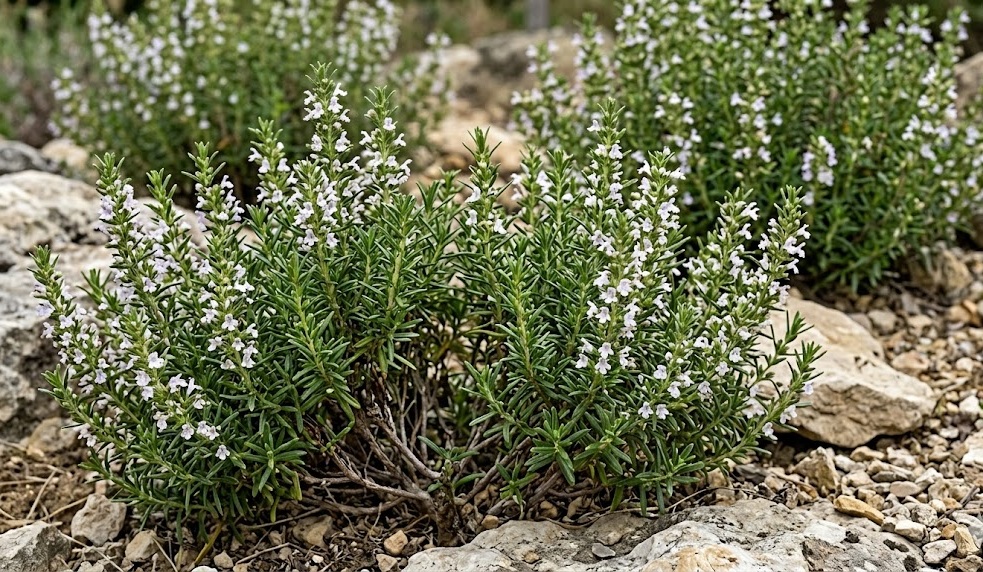

Preparing winter savory for the cold months is a vital task for any gardener who wishes to maintain a permanent and productive herb collection. While this perennial is known for its hardiness, extreme winter conditions can still pose a risk to its semi-woody structure and root system. The goal of overwintering is not just survival, but ensuring that the plant emerges in the spring with enough energy to start growing immediately. A professional approach involves a combination of structural protection, moisture management, and timing the final seasonal maintenance correctly.
As the days grow shorter and the temperatures begin to drop in late autumn, you will notice the winter savory starting to slow its growth. This is the natural signal for the plant to begin hardening off its stems in preparation for the frost. You should resist the urge to do any heavy pruning at this time, as new growth stimulated by cutting will be too tender to survive a freeze. Instead, focus on cleaning up the area around the base of the plant and ensuring it is well-hydrated before the ground freezes solid.
In regions with moderate winters, winter savory often retains its green leaves throughout the year, earning its common name. However, in colder climates, the foliage may turn a dark bronze color or even drop off entirely if the temperatures stay below freezing for long periods. This is a normal protective response, and as long as the main stems and roots remain healthy, the plant will rebound in the spring. Understanding the specific hardiness zone of your garden is the first step in deciding how much protection your plants will need.
For container-grown savory, the challenge is slightly different as the roots are more exposed to the ambient air temperature than they would be in the ground. You should consider moving your pots to a more sheltered location, such as against a south-facing wall or into a cold frame. Some gardeners even choose to bring their potted herbs indoors to a cool, bright windowsill for the winter months. Regardless of your method, the key is to provide a stable environment that prevents the root ball from experiencing rapid and repeated freezing and thawing.
Cold hardiness and frost protection
Winter savory is typically hardy down to USDA Zone 5 or 6, meaning it can withstand temperatures as low as -20 degrees Celsius if it is well-established. However, young plants or those that have been stressed during the summer may need a little extra help to make it through their first winter. You can provide a temporary windbreak using burlap or a simple wooden structure to protect the plant from the drying effects of cold winter winds. This is especially important for plants in exposed locations where the wind-chill can be much lower than the actual air temperature.
More articles on this topic
The use of frost blankets or horticultural fleece is another professional technique for protecting tender herbs during extreme cold snaps. These lightweight fabrics trap a small amount of heat from the ground around the plant while still allowing air and moisture to pass through. You should drape the fabric over the savory in the evening when a heavy frost is predicted and remove it once the temperatures rise the following morning. This extra layer of insulation can make the difference between a thriving plant and one that suffers significant dieback.
Snow can actually be a very effective natural insulator for low-growing shrubs like winter savory. A thick layer of powdery snow traps air and keeps the temperature around the plant much more stable than if it were exposed to the open air. However, heavy, wet snow can sometimes break the brittle woody stems, so you should gently brush off any excessive accumulation after a storm. If you live in an area with reliable snow cover, your savory is often safer than in a region with fluctuating temperatures and bare ground.
It is also important to remember that cold hardiness is not just about the absolute minimum temperature, but also about the duration of the cold. A single night of deep frost is often less damaging than a week of sustained freezing temperatures combined with dry winds. By monitoring the long-range weather forecast, you can decide when it is necessary to deploy your protective measures. A professional gardener is always prepared to act quickly when the weather takes a turn for the worse.
Winter mulching techniques for root protection
Applying a fresh layer of mulch in late autumn is one of the most effective ways to protect the root zone of your winter savory. This mulch acts as a thermal buffer, slowing down the rate at which the soil freezes and thaws throughout the winter. You can use materials like pine needles, straw, or even extra gravel to provide this insulation. The goal is to keep the soil temperature as consistent as possible to prevent “frost heaving,” where the expanding and contracting earth pushes the plant out of the ground.
More articles on this topic
When applying winter mulch, you should aim for a depth of about two to three inches over the entire root area. Be careful not to pile the mulch directly against the main woody stem, as this can still lead to rot even in the winter. Instead, create a ring around the base of the plant that extends out to the drip line of the branches. This ensures that the majority of the feeder roots are protected from the worst of the cold while allowing the main stem to breathe.
If you are using organic mulch like straw, you should be aware that it can sometimes attract rodents looking for a warm place to nest. These animals may occasionally nibble on the bark of your savory, which can girdle and kill the stems. Check your plants periodically during the winter for any signs of animal damage and adjust your mulching strategy if necessary. Using a coarser material like gravel or hardware cloth around the base can help deter these unwanted winter guests.
As the spring approach and the ground begins to warm, you must remember to gradually remove the excess mulch. Leaving it on too long can keep the soil too cool and wet, potentially delaying the plant’s emergence from dormancy. You can pull the mulch back in stages over a week or two as the risk of deep frost passes. This gradual transition allows the soil to wake up naturally and ensures that your savory starts the new season on the right foot.
Indoor overwintering for container plants
If you live in a climate that is too cold for winter savory to survive outdoors, bringing your containers inside is a viable option. You should choose a location that is cool but frost-free, such as an unheated garage, a basement with a window, or a cool sunroom. The plant still needs some light during the winter, though its requirements are much lower than during the active growing season. A bright, indirect light source is usually sufficient to keep the plant ticking over until spring.
When savory is kept indoors, its water needs will be extremely low because it is not actively growing. You should only water when the soil is dry to the touch several inches down, and even then, use only a small amount. Overwatering is a major risk for indoor plants during the winter, as the lack of airflow and lower light levels mean the soil stays wet for a long time. It is better to keep the plant slightly on the dry side to avoid any fungal issues or root rot.
Humidity can also be a challenge indoors, as central heating tends to make the air very dry. While savory is a Mediterranean herb that likes dry air, extreme indoor dryness can lead to spider mite infestations. You can place the pot on a tray of pebbles and water to slightly increase the local humidity without wetting the soil. Regularly checking the foliage for any signs of pests is essential, as they can multiply quickly in the stable environment of a home.
As spring arrives, you will need to re-acclimatize your indoor savory to the outdoor conditions. Start by placing it outside for an hour or two on a mild, cloudy day and slowly increase its exposure over a couple of weeks. This process of “hardening off” is just as important in the spring as it is in the autumn. Moving a plant directly from a warm house to a sunny, windy garden can cause significant stress and damage the new growth that is just starting to appear.
Early spring recovery and maintenance
The first sign of life in the spring is an exciting time for any herb gardener, as the tiny green buds begin to swell on the woody stems. You should wait until the danger of hard frost has passed before you perform your first major cleanup of the winter savory. Once you see new growth starting to appear, you can prune away any branches that were killed by the winter cold. Cut back to just above a healthy green bud to encourage the plant to fill out and regain its shape.
Early spring is also a good time to check the soil around the base of the plant for any compaction that may have occurred over the winter. You can gently loosen the top layer of soil with a hand fork to improve aeration and water penetration. If the plant has been pushed up by frost heaving, carefully press it back into the earth and add a little more soil around the base to protect the exposed roots. This simple maintenance task helps the plant re-establish its connection with the ground.
A light application of compost or balanced organic fertilizer in the spring provides the nutrients needed for the upcoming growing season. As the temperatures rise, the plant’s metabolic rate will increase, and it will begin to draw more heavily on the available resources. You should also start to increase your watering frequency as the days get longer and the sun becomes stronger. By providing this early support, you ensure that your winter savory has everything it needs to produce a bountiful harvest.
Finally, take a moment to evaluate the overall health of your plants and decide if any need to be replaced or if you want to expand your collection. Winter is a tough test, and any plant that emerges strong and healthy is a testament to your expert care. You can use the lessons learned from the previous winter to refine your overwintering techniques for the future. A professional gardener is always learning and adapting, ensuring that their herb garden remains a source of joy and utility for years to come.