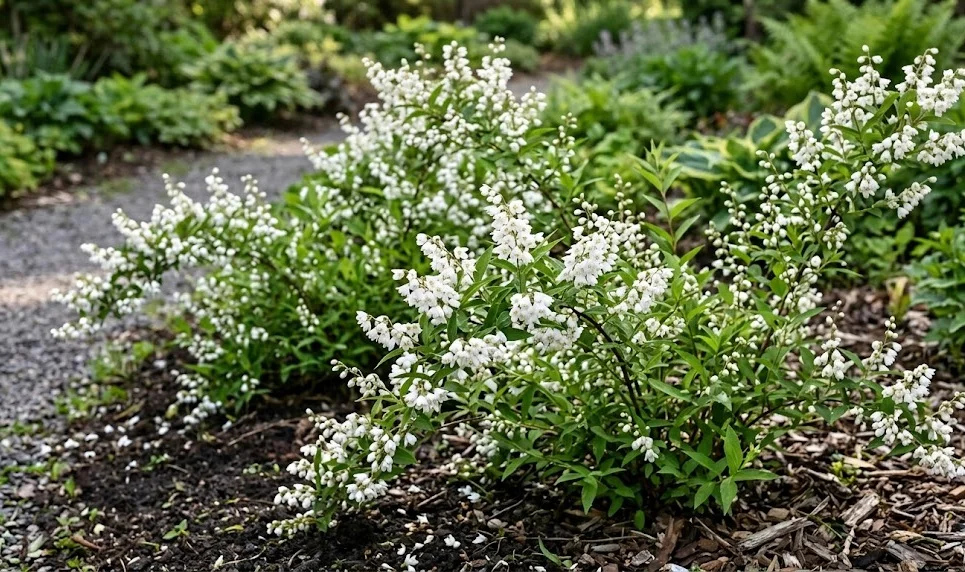

Preparing your ornamental shrubs for the cold months is a critical part of a professional maintenance routine that ensures a vibrant return in the spring. While this variety is known for its hardiness, extreme winter conditions can still pose a threat to the health and structural integrity of the plant. You must take proactive steps to protect the root system and the delicate branches from the effects of freezing temperatures and drying winds. A well-prepared garden is a resilient one that can withstand the challenges of the winter season with ease.
The process of overwintering starts long before the first snowflake falls, beginning with how you manage the plant during the late summer and autumn. You should avoid any heavy pruning or high-nitrogen fertilization as the days grow shorter, as this encourages soft new growth that is easily damaged by frost. Instead, focus on providing a final deep watering and ensuring the soil has a clean and healthy environment for the coming dormancy. This professional transition allows the plant to naturally harden off its tissues and prepare for the drop in temperature.
Mulching is perhaps the most important tool in your overwintering kit, providing a vital layer of insulation for the sensitive root zone. A thick application of organic material like shredded bark or wood chips keeps the ground from freezing and thawing rapidly, which can heave the plant out of the soil. You should check the condition of your mulch in late autumn and add more if necessary to ensure a depth of at least three to four inches. This simple step is an expert way to protect the foundation of your shrub through the coldest nights of the year.
Physical protection from heavy snow and ice is another consideration for anyone living in a region with significant winter precipitation. The arching, slender branches of this variety can be prone to bending or even snapping under the weight of accumulated snow. You should be prepared to gently intervene and clear away the weight after a storm to prevent any permanent structural damage to the plant. By staying vigilant and responsive to the weather, you ensure that your shrub remains beautiful and intact for the following growing season.
Preparing for the first frost
As the autumn progresses and the temperatures begin to dip, you will notice the leaves of your shrub starting to change color and eventually fall. This is a natural part of the plant’s life cycle as it prepares to enter a state of dormancy where its biological processes slow down significantly. You should take this opportunity to clean up any fallen debris around the base of the plant to reduce the risk of pests and diseases overwintering in the soil. Maintaining a professional level of garden hygiene is essential for a healthy and successful spring awakening.
More articles on this topic
One of the most important professional tips for winter preparation is to ensure that the plant is thoroughly hydrated before the ground freezes solid. Evergreen and deciduous shrubs alike continue to lose moisture through their stems during the winter, especially when the air is cold and the wind is strong. If the soil is dry when it freezes, the plant cannot replace this lost water, leading to a condition known as winter desiccation. Providing one final, deep soaking in late autumn is a simple but vital step for the long-term survival of the shrub.
You should also take a moment to inspect the overall structure of the plant and look for any weak or damaged branches that might not survive the winter. While you want to avoid heavy pruning, removing a few small, broken twigs is perfectly fine and can prevent further tearing during a winter storm. Use sharp, sterilized shears to make clean cuts that will heal quickly once the plant wakes up in the spring. This minor bit of maintenance keeps the shrub looking tidy and professional even during its dormant period.
If you live in a particularly cold or exposed area, you might consider creating a temporary windbreak for your most sensitive or young shrubs. You can use burlap or a simple wooden structure to shield the plant from the drying effects of the prevailing winter winds. This extra layer of security can make a big difference in the survival rate of new plantings that have not yet established a deep and resilient root system. Professional garden care involves assessing the risks of your specific location and taking the necessary steps to mitigate them.
Mulching and root protection
A high-quality mulch is your plant’s best friend during the winter, acting like a warm blanket for the soil and the roots beneath. You should choose an organic material that will slowly break down over time, further enriching the ground with nutrients and improving its structure. Shredded bark, pine needles, or well-rotted leaves are all excellent professional choices for a winter mulch layer. Avoid using fresh grass clippings or uncomposted manure, as these can create heat or introduce unwanted weed seeds into your garden beds.
More articles on this topic
When applying the mulch, make sure to spread it out to the drip line of the shrub to ensure that the entire root zone is protected. You should aim for a consistent thickness of about three to four inches, which is enough to provide significant insulation against the cold. Be careful to keep the mulch a few inches away from the main trunk of the plant to prevent moisture from being trapped against the bark. This professional technique prevents rot and allows the plant’s crown to breathe during the wet winter months.
Mulching also helps to maintain a more consistent soil temperature throughout the season, reducing the stress caused by rapid freeze-thaw cycles. When the ground freezes and thaws repeatedly, it can cause “frost heaving,” which pushes the plant and its roots up and out of the soil. This exposes the sensitive roots to the air and can lead to serious damage or even the death of the shrub if it is not corrected quickly. A thick layer of mulch acts as a buffer, keeping the soil temperature more stable and preventing this common winter problem.
In addition to its protective qualities, mulch also helps to suppress any winter weeds that might try to take hold in your garden beds. This keeps your landscape looking clean and professional even when there is no foliage on the plants to distract the eye. As the mulch breaks down, it adds valuable organic matter to the soil, which will support the vigorous new growth of the shrub in the spring. Investing in a good mulching program is one of the smartest and most effective things any expert gardener can do.
Winter shelter techniques
In regions with extremely harsh winters or for plants that are in very exposed locations, additional physical shelter may be required to ensure survival. You can wrap the shrub in a layer of breathable burlap to protect it from both the cold and the drying effects of the winter sun and wind. Be sure to secure the burlap loosely with twine so that it does not compress the branches or trap too much moisture inside. This professional sheltering technique is particularly useful for young specimens that are still getting established in your landscape.
Another option for providing winter protection is to build a simple wooden frame or cage around the shrub and fill it loosely with dry leaves or straw. This creates a highly effective insulation chamber that will keep the plant significantly warmer than the surrounding air. You must be careful to use dry material and to remove it promptly in the early spring to prevent rot and allow the new growth to emerge. This more intensive method is usually reserved for the most valuable or sensitive plants in a professional collection.
For shrubs planted in containers, the overwintering process is a bit more involved because the roots are much more exposed to the cold air. You should move the pots to a sheltered location, such as against a south-facing wall or inside an unheated garage or shed. Wrapping the entire container in bubble wrap or burlap can also help to insulate the root ball from the freezing temperatures. Monitoring the moisture level of the soil in the pots is also important, as they can dry out surprisingly quickly even in the winter.
Heavy snow can be both a blessing and a curse for your ornamental shrubs, providing insulation while also threatening to break the branches. If a large amount of wet, heavy snow accumulates on the plant, you should gently use a broom or your hands to knock it off. Always brush in an upward motion to avoid putting even more stress on the already bent stems. Maintaining the structural integrity of your shrubs throughout the winter is a key part of an expert and professional garden management strategy.
Rejuvenation in early spring
As the days begin to lengthen and the ground starts to thaw, it is time to start thinking about the transition from winter dormancy back into the growing season. You should begin by carefully removing any temporary shelters or wraps you put in place during the autumn. Do this on a cloudy day if possible to allow the plant to gradually adjust to the increased light and exposure. This professional and measured approach prevents the sudden shock of environmental change from damaging the newly awakening tissues.
Check the base of the shrub for any signs of frost heaving and gently press the plant back into the soil if it has been lifted during the winter. You may need to add a little extra soil or compost to fill in any gaps and ensure the roots are once again firmly covered and protected. This is also a good time to pull back the mulch slightly from the stem to allow the sun to warm the soil and stimulate root activity. Re-establishing a firm connection with the ground is the first step toward a successful new year of growth.
Take a close look at the branches and look for any winter dieback, which will appear as brittle, dark, or shriveled stems. You can use your fingernail to lightly scratch the bark; if you see green underneath, the branch is still alive and healthy. Prune out any truly dead wood to clean up the appearance of the plant and make room for the new spring growth. This initial “spring cleaning” is a fundamental part of an expert gardening routine that keeps your landscape looking its professional best.
Wait for the first signs of green buds before you apply any spring fertilizer or perform any major structural pruning on the shrub. The plant needs to be actively growing to effectively take up the nutrients and heal the wounds from your pruning shears. Once the danger of hard frost has passed and the new leaves are starting to unfurl, you can begin your regular maintenance cycle again. The success of your overwintering efforts will be clear as the shrub bursts into a beautiful and healthy display of spring life.