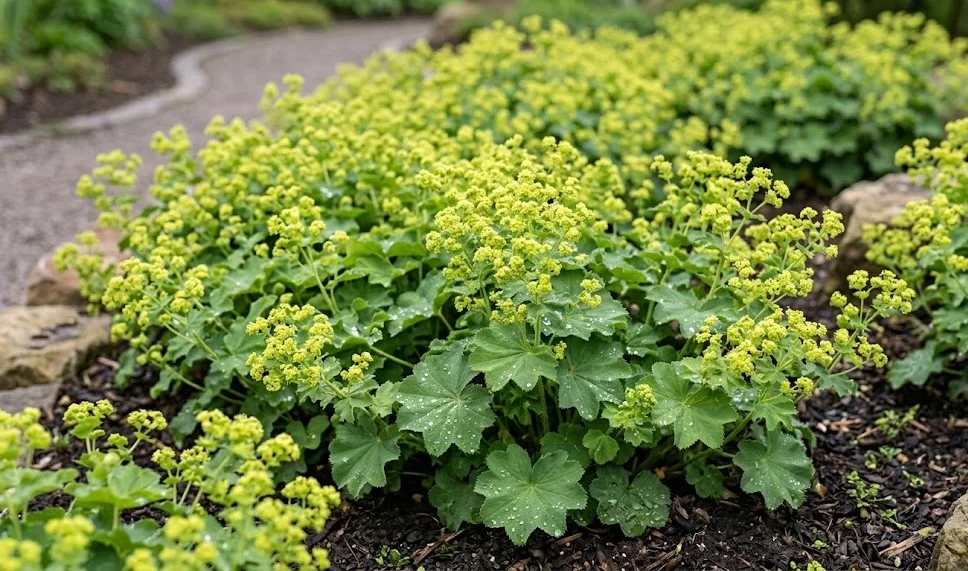

Preparing your garden for the challenges of winter is a vital part of the annual horticultural cycle in temperate climates. While the lady’s mantle is a hardy perennial, it still requires a thoughtful approach to ensure it emerges from dormancy in peak condition. You must manage the transition from the active growing season to the quiet months of rest by providing the right structural and environmental support. This article outlines the professional steps you should take to protect your plants from frost, moisture, and temperature fluctuations during the cold season.
Winter survival for perennials is as much about the conditions of the soil as it is about the temperature of the air. You need to ensure that the root system is protected from the damaging effects of freeze-thaw cycles that can heave plants out of the ground. Proper preparation starts long before the first snowflake falls, beginning with a gradual wind-down of your maintenance activities in late autumn. By understanding the plant’s natural dormant state, you can better provide the specific care it needs to survive and thrive.
Effective overwintering involves a balance between providing protection and allowing the plant to remain integrated with its natural environment. You should avoid over-protecting the plants, which can sometimes lead to issues with rot or premature growth during unseasonably warm spells. The goal is to create a stable, insulated environment where the roots can rest undisturbed until the return of spring. Professional gardeners use a variety of techniques, from mulching to physical screening, to achieve this balance in their landscapes.
As you gain more experience with your specific local climate, you will learn how to fine-tune your winter preparation for the best results. Every year brings different challenges, from exceptionally cold snaps to periods of heavy, wet snow that can weigh down the garden structure. By being proactive and observant, you can ensure that your lady’s mantle collection remains a reliable and beautiful part of your garden for many seasons to come. This guide provides the expert foundation you need to navigate the winter months with confidence and success.
Pre-frost preparation
The process of preparing for winter should begin as the days grow shorter and the first light frosts are predicted in your local weather forecast. You should stop any heavy fertilization by late summer to prevent the plant from producing new, tender growth that would be easily damaged by the cold. Allowing the existing foliage to naturally mature and harden off is the best way to prepare the plant’s internal chemistry for the coming freeze. This transition phase is a critical time for the plant to move its energy reserves down into the root system for winter storage.
More articles on this topic
Cleaning up the area around the base of your perennials is an important task that should be completed before the ground freezes solid. You should remove any fallen leaves from other trees that might have accumulated on top of the lady’s mantle clumps, as these can trap excessive moisture. This moisture can lead to crown rot, especially during periods of melting snow or winter rain. A clean and tidy garden bed is not just about aesthetics; it is a fundamental part of maintaining the health of your plants during their dormant period.
You may also want to do some light trimming of the foliage once it has started to turn yellow and lose its structural integrity. While it is not strictly necessary to cut the plant back completely in the autumn, many professional gardeners prefer to remove the bulk of the spent leaves. This reduces the amount of material that can harbor pests or diseases over the winter months and makes the spring cleanup much easier. If you choose to leave the foliage for winter interest or extra protection, make sure it isn’t so dense that it prevents air from reaching the crown.
Checking the moisture levels of the soil one last time before the ground freezes is a wise professional practice that is often overlooked. You should ensure that the plants have adequate hydration entering the winter, especially if the autumn has been unseasonably dry. Roots that are well-hydrated are more resilient to the drying effects of cold winds and can better withstand the physical stresses of frozen soil. A deep watering in late autumn can be one of the most beneficial things you do for your perennials before they settle into their long winter sleep.
Protective mulching layers
Applying a fresh layer of organic mulch is the most effective way to insulate the soil and protect the delicate root systems from extreme temperature swings. You should wait until the ground has started to freeze before applying the final winter mulch to prevent rodents from making a home in the warm soil. A layer of about two to three inches of wood chips, straw, or shredded bark is usually sufficient for providing the necessary thermal stability. This mulch acts as a buffer, slowing down the rate of cooling and heating in the earth throughout the winter months.
More articles on this topic
The primary goal of winter mulching is to prevent the phenomenon known as frost heave, where the soil repeatedly freezes and thaws, pushing the plant out of the ground. You should be especially careful with younger plants or those that were recently divided, as their shallower root systems are most at risk from this movement. If a plant is pushed out of the soil, its roots will be exposed to the drying air and freezing temperatures, which can quickly lead to its death. A steady, insulated soil temperature keeps the roots firmly anchored where they belong.
When applying your mulch, you must be careful to keep it away from direct contact with the main stems and the center of the root crown. You should create a doughnut shape around the plant, leaving a small space for air to circulate at the very base of the stems. This prevents moisture from being held directly against the plant’s structural tissues, which could lead to rot or fungal issues during a mid-winter thaw. Professional mulching is about precision and understanding how to protect the plant without creating new problems in the process.
In very cold or exposed regions, you might consider using extra protective materials like evergreen branches or specialized garden fabrics for added insulation. These materials can provide a physical barrier against cold winds and help to trap a layer of insulating snow on top of the garden beds. Snow is actually an excellent natural insulator, and keeping it in place over your perennials can significantly improve their chances of surviving a harsh winter. By combining different protective layers, you can create a safe and stable environment for even the most sensitive plants in your collection.
Managing winter dormancy
Once the garden is fully tucked in for the winter, your role as a gardener changes from active maintenance to quiet observation. You should periodically check the garden beds after major storms to ensure that your protective layers are still in place and doing their job. If heavy snow has bent down any structural plants or screens, you may need to gently shake it off to prevent breakage or permanent distortion. This period of rest is essential for the plant’s long-term health, allowing it to reset its biological clock for the next growing season.
Understanding the internal processes of dormancy can help you appreciate why certain conditions are so important during the winter months. You should know that the plant is not truly ‘dead’ but has simply slowed its metabolic rate to the bare minimum required for survival. This state is triggered by a combination of cold temperatures and shorter day lengths, and it can only be broken by a specific amount of chilling hours. This natural mechanism prevents the plant from starting to grow during a brief warm spell in the middle of January.
Drainage remains a critical concern throughout the winter, especially during periods of melting snow or heavy winter rains. You should ensure that water can move freely away from the garden beds and does not pool around the dormant crowns of your perennials. If you notice any areas of standing water, you may need to create temporary drainage channels to protect the plants from drowning or rotting. Professional landscape design often includes subtle grading to manage this winter water movement, but manual intervention is sometimes necessary in extreme conditions.
Avoiding foot traffic on frozen or snow-covered garden beds is a simple but important rule for protecting your plants and the soil structure. You should stay on designated paths to prevent compacting the earth around the dormant roots, which can lead to poor drainage and reduced oxygen levels in the spring. Compaction also damages the delicate pore spaces in the soil that hold air and water, making it harder for the plants to recover once the growing season begins. Respecting the quiet boundaries of the winter garden ensures a healthy and productive environment for many years to come.
Early spring awakening
As the days begin to lengthen and the first signs of spring appear, you must be ready to help your perennials transition out of their dormant state. You should gradually remove any heavy winter protection, such as evergreen boughs or thick layers of straw, as the threat of deep freezes passes. This allows the soil to begin warming up in the sun and encourages the first new shoots of the lady’s mantle to emerge from the crown. Timing this removal is an art that requires you to stay closely attuned to the local weather patterns and the specific microclimate of your yard.
Cleaning up the remaining winter debris is a satisfying task that marks the true beginning of the new gardening year for many people. You should carefully remove the old, dead foliage that you might have left for winter protection, taking care not to damage the tender new growth underneath. This is also a good time to pull any winter weeds that have managed to germinate under the mulch before they have a chance to set seed. A clean start in the spring sets a positive tone for the rest of the season and makes your subsequent maintenance tasks much easier.
Once the new growth is well-established, you should assess the overall health of each clump and look for any signs of winter damage or frost heave. If you find a plant that has been partially pushed out of the soil, you should gently press it back down or add extra soil and mulch around the exposed roots. This quick intervention ensures that the plant remains stable and can continue its development without interruption. Observing how each variety handled the winter provides valuable information that you can use to improve your preparation for the next year.
Finally, you should prepare to restart your regular watering and fertilization routines as the plant’s metabolic activity begins to accelerate. You can apply a light application of balanced fertilizer once the first few sets of leaves have fully expanded to support the vigorous growth of the spring. Be ready to provide extra water if the spring is particularly dry, as the new growth is very tender and sensitive to hydration levels. By successfully navigating the transition from winter rest to spring growth, you ensure that your garden remains a vibrant and thriving space for another year.