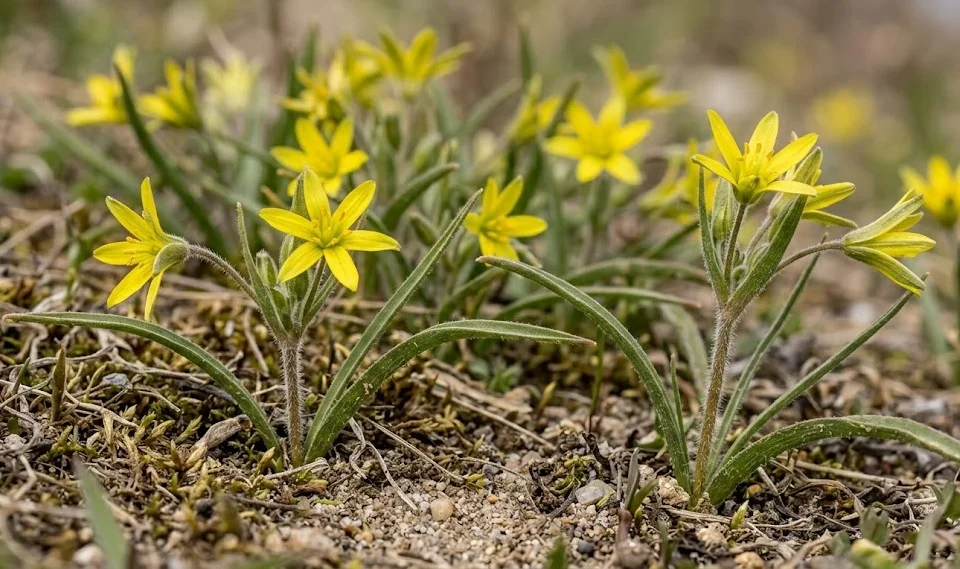

Providing the proper environment during the cold winter months is a vital component of the annual lifecycle for these hardy but specialized spring bulbs. While they are naturally adapted to surviving in temperate climates, certain conditions can still pose a risk to their health and future flowering potential. Successful overwintering is not just about protection from the cold; it also involves managing soil moisture and preparing the site for the rapid growth that will occur as soon as the ground thaws. A professional approach ensures that the bulbs remain safe, healthy, and ready to emerge with vigor at the very first sign of spring.
The primary challenge of winter for any bulbous plant is the physical stress caused by the cycle of freezing and thawing in the soil. These temperature fluctuations can sometimes cause the soil to “heave,” which may push the bulbs closer to the surface or even expose them to the elements. Maintaining a stable soil temperature is the goal of most overwintering strategies, as it protects the delicate internal tissues of the bulbs from damage. Proper planting depth, as discussed in other sections, is the first and most important step in achieving this stability.
Another significant winter risk is the accumulation of excessive moisture in the soil, which can lead to rot even during the dormant season. Because the plants are not actively taking up water during the winter, any liquid that remains in the soil can become stagnant and promote the growth of harmful fungi. Ensuring that the site has excellent drainage is a year-round requirement that becomes particularly critical during the snowy or rainy winter months. A site that remains relatively dry throughout the winter is a safe haven for dormant bulbs.
In many regions, the presence of a natural snow cover provides the best possible insulation for the ground and the bulbs beneath it. Snow acts as a thermal blanket, keeping the soil temperature relatively constant and protected from the drying effects of cold winter winds. However, in years where snow is absent but temperatures are extremely low, additional human intervention may be necessary to provide that same level of protection. Understanding your local climate patterns is essential for deciding when and how to assist your plants through the winter season.
Soil temperature regulation
Regulating the temperature of the soil is primarily a matter of insulation and placement within the garden landscape. Bulbs planted in areas that receive some winter sun may experience more frequent freeze-thaw cycles than those in shaded, north-facing positions. While the plants need spring sun for growth, a bit of winter shade can actually be beneficial by keeping the ground frozen and stable for longer periods. Balancing these needs is part of the professional gardener’s skill in choosing the perfect planting site.
More articles on this topic
Thermal mass in the form of rocks or nearby garden structures can also influence the local soil temperature in subtle but important ways. These objects can absorb heat during the day and release it slowly at night, potentially creating a more moderate microclimate for the nearby bulbs. However, this can also increase the frequency of temperature swings, so its impact should be carefully considered based on the specific climate of the region. A consistent, cold winter is often safer for the bulbs than one that alternates between freezing and mild temperatures.
Mulching is the most effective tool available to the gardener for manually regulating soil temperatures during the winter months. A layer of organic material applied in the late autumn acts as an insulating barrier that slows down the rate at which the ground freezes and thaws. This extra layer of protection is particularly valuable for young colonies or for bulbs that have been recently transplanted and may not be as deeply established. The goal is to create a buffer that protects the bulbs from the most extreme fluctuations of the season.
In professional agricultural settings, the use of specialized ground covers or “frost blankets” can provide a high level of temperature regulation for large areas. these materials are designed to trap the earth’s natural heat while still allowing moisture and air to move through to the soil. While usually unnecessary for the hardy star-of-Bethlehem in a typical garden, these tools can be invaluable in regions with exceptionally harsh winters or for commercial production. Technology and tradition work together to ensure the survival of the plants through the coldest part of the year.
Protective mulching strategies
Selecting the right material for winter mulch is important to ensure it provides protection without causing other problems like rot or pest infestations. Materials such as clean straw, pine needles, or shredded leaves are ideal because they are light and do not compact into a heavy, airless mat. These “loose” mulches provide excellent thermal insulation while still allowing the soil to breathe and excess moisture to evaporate. Avoid using heavy, fresh manure or wet, matted grass clippings, as these can harbor diseases and cause the soil surface to become sour.
More articles on this topic
The timing of mulch application is a critical factor that can determine its effectiveness in protecting the bulbs. It should be applied only after the ground has initially frozen, usually in the late autumn or early winter. If you apply mulch too early while the soil is still warm, you may unintentionally provide a cozy winter home for voles and other rodents that could feed on your bulbs. Waiting for the first hard freeze ensures that the soil is properly chilled and that most pests have already found their winter quarters elsewhere.
The depth of the mulch layer should be between five and ten centimeters, depending on the severity of your local winter and the material being used. A layer that is too thin will not provide enough insulation, while one that is too thick can prevent the soil from warming up properly when spring arrives. The goal is to create a consistent and manageable barrier that can be easily adjusted or removed as the seasons change. Regular checks throughout the winter can help you identify if the mulch has been shifted by wind or animals and needs to be replenished.
As the late winter approaches and the first signs of spring begin to appear, the mulch should be gradually thinned out to allow the soil to warm. This process should be done in stages to avoid shocking the emerging shoots with a sudden change in temperature or light. Removing the bulk of the mulch allows the spring sun to reach the soil surface, signaling to the bulbs that it is time to begin their active growth. Proper management of the winter mulch is a key transition step that sets the stage for a successful and vibrant spring display.
Winter drainage importance
Maintaining excellent drainage throughout the winter is the single most important factor for preventing the loss of bulbs to rot and decay. In many areas, the combination of melting snow and heavy winter rains can lead to saturated soil conditions that are deadly for dormant geophytes. If the water cannot move quickly through the soil profile, the oxygen levels around the bulb will drop, leading to anaerobic conditions that favor harmful pathogens. This is why soil preparation and site selection are so heavily emphasized in all aspects of bulb care.
If you have a site that is prone to winter wetness, creating small drainage channels or “swales” nearby can help divert excess surface water away from the bulb colony. These simple mechanical interventions can make a huge difference in the survival rate of the plants during a particularly wet winter season. Professional landscapers often use these techniques to manage the flow of water across a property, ensuring that sensitive areas remain relatively dry. A proactive approach to water management is a hallmark of an expert gardener.
For bulbs grown in containers, winter drainage is even more critical, as the pots can easily become waterlogged if the drainage holes become frozen or blocked. It is often a good idea to “heel in” pots into a protected area of the garden or to store them in a cold, dry garage or shed. If left outdoors, elevating the pots on “pot feet” can help ensure that water can always escape from the bottom, even if the surrounding ground is frozen. Container cultivation requires a higher level of vigilance to ensure that the winter environment remains hospitable.
Observing the way water moves through your garden during a winter rainstorm can provide invaluable insights for future improvements. You may notice that certain areas stay wet for days, while others dry out quickly; this information should be used to refine your planting map. Knowledge of your garden’s unique hydrological patterns allows you to place your most sensitive plants in the safest possible locations. Understanding the “winter personality” of your landscape is a key part of becoming a professional-level horticulturalist.
Spring emergence preparation
Preparing for the spring emergence begins long before the first green shoot is actually visible above the ground. In the late winter, as the days begin to lengthen, a careful inspection of the planting site can reveal any issues that need to be addressed. This might include removing any debris that has accumulated over the winter or lightly raking the soil surface to break up any crust that has formed. A clean and receptive soil surface makes it much easier for the delicate shoots to find their way to the light.
This is also the time to check your garden labels and markers to ensure they are still in place and readable. If the winter has been particularly harsh, some markers may have been moved or damaged, and replacing them now prevents accidental damage when you begin your spring cleanup. Having a clear idea of where the plants are located allows you to work around them with confidence and precision. Professionalism in the garden is built on this foundation of organized and thoughtful preparation.
If you have used a heavy winter mulch, begin to pull it back from the center of the colony as the temperatures start to moderate. You don’t need to remove it all at once, but clearing a small area directly over the bulbs allows them to feel the warmth of the sun and encourages early growth. Be careful not to damage any early-emerging tips that may already be just beneath the surface. This gentle “awakening” of the garden is one of the most rewarding parts of the annual cycle for any dedicated grower.
Finally, keep a close eye on the weather forecast as the spring emergence begins, as late-season frosts can still pose a threat to the tender new growth. Having some frost cloth or extra mulch on hand to provide temporary protection during a sudden cold snap can save your spring display from damage. While the plants are hardy, the very first shoots are the most vulnerable parts of their entire lifecycle. Being prepared to act quickly in the face of unpredictable spring weather is the final step in a professional overwintering and emergence strategy.