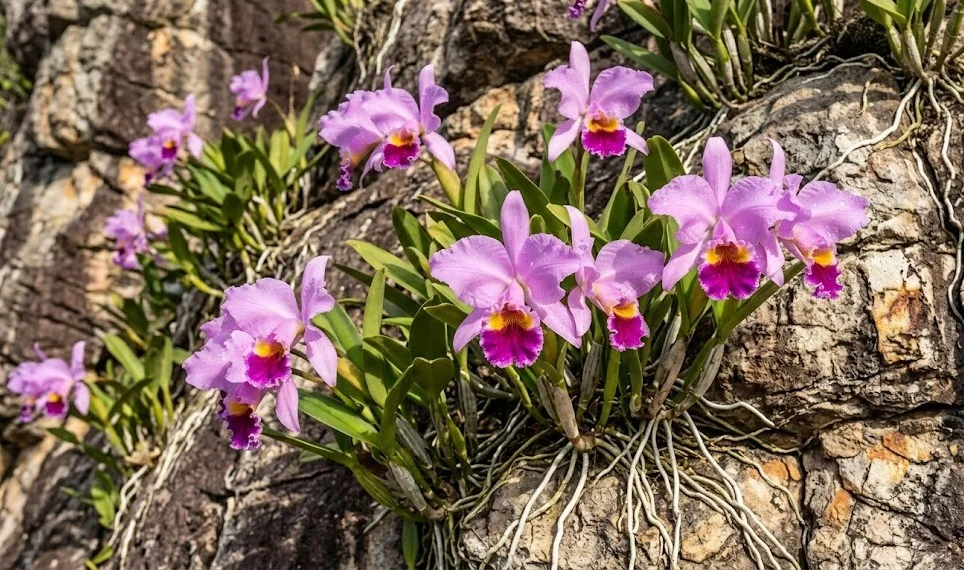

Preparing the Christmas orchid for the winter months is a process that involves both logistical planning and an understanding of the plant’s natural dormant cycle. As the temperatures outside begin to drop and the days grow shorter, the orchid’s metabolic processes naturally slow down in anticipation of the cooler season. A professional grower mimics these environmental shifts to ensure the plant has a successful rest period, which is essential for the following year’s growth and bloom. This transition is not about neglect but rather a refined adjustment of resources to match the orchid’s seasonal needs.
During the winter, the primary goal is to provide a stable and cool environment that prevents the plant from being stressed by indoor conditions. Modern homes with central heating can often be too warm and dry for these tropical epiphytes, requiring proactive measures to maintain appropriate humidity and temperature. A professional setup might involve moving the orchids to a dedicated room or a cooler part of the house where the climate can be more easily managed. Ensuring the plant is protected from cold drafts while still receiving adequate light is a delicate but necessary balance.
Humanizing the overwintering process means recognizing that the plant is “sleeping” and needs to be disturbed as little as possible. Just as we require rest to function at our best, the Christmas orchid uses this time to conserve energy and prepare for its spectacular winter display. It can be tempting to keep watering and fertilizing as usual, but this can lead to root rot and weak growth that compromises the plant’s health. Patience is the most important virtue during this time, as you wait for the beautiful blossoms to emerge in the heart of winter.
Monitoring your collection during the winter months requires a slightly different set of skills than the active growing season. You are looking for subtle signs of stress, such as excessively shriveled pseudobulbs or the presence of pests that thrive in dry indoor air. A professional approach involves checking the plants regularly but acting only when necessary to maintain their equilibrium. By successfully navigating the challenges of winter, you ensure that your Christmas orchids remain a vibrant and productive part of your life for many years.
Managing the transition to winter dormancy
The transition to winter dormancy should begin in late autumn as the orchid finishes its vegetative growth and prepares for flowering. A professional grower starts by gradually reducing the amount of water and fertilizer provided to the plant over a period of several weeks. This signals to the orchid that it is time to stop producing new leaves and focus its remaining energy on hardening its pseudobulbs. This preparation phase is critical for ensuring the plant has the structural integrity to support its upcoming flower spikes.
More articles on this topic
As the days shorten, the orchid also requires a slight decrease in the average ambient temperature to properly enter its rest state. Ideally, daytime temperatures should stay around eighteen to twenty degrees Celsius, while nighttime temperatures can drop to fifteen degrees. This cooling period is one of the primary triggers for the development of flower buds in the Christmas variety. If the environment remains too warm, the plant may skip its blooming cycle entirely or produce very few flowers.
Light management is another important aspect of the transition to winter, as the sun’s intensity decreases and its path across the sky changes. You may need to move your orchids closer to a window or provide supplemental lighting to ensure they still receive enough energy for blooming. A professional grower uses a light meter to monitor these changes and makes adjustments to the plant’s position as needed. Providing bright, indirect light remains essential even during the rest period to maintain the plant’s overall vigor.
Finally, ensure that the air circulation in your growing area remains active as you close up your home or greenhouse for the winter. Stagnant air is more likely to cause issues in the winter when the humidity inside may fluctuate due to heating systems. Small fans can help keep the air moving gently, which prevents the buildup of moisture on the leaves and discourages common winter pests. This transition period sets the stage for a healthy and successful winter season for your entire orchid collection.
Optimizing the indoor winter environment
Indoor heating systems are one of the biggest challenges for overwintering orchids because they strip the moisture from the air, creating a desert-like environment. A professional solution is to use a high-quality room humidifier to maintain the relative humidity between fifty and sixty percent. This level is comfortable for both humans and orchids and prevents the sensitive leaves and roots from dehydrating. Placing your pots on large trays filled with wet pebbles is another effective way to create a humid microclimate directly around the plants.
More articles on this topic
Temperature stability is equally important, as sudden fluctuations can cause stress and may even lead to bud drop during the flowering phase. Avoid placing your Christmas orchids near radiators, heat vents, or fireplace mantels where the air can become excessively hot. Conversely, ensure they are not touching cold window panes or sitting in the path of chilly drafts from exterior doors. A consistent, cool environment is the professional standard for maintaining healthy winter orchids in a domestic setting.
During the darkest months of the year, even a south-facing window might not provide enough light for the orchid to thrive and bloom effectively. Many enthusiasts use full-spectrum LED grow lights to supplement the natural sunshine and keep their plants healthy. These lights should be kept on a timer to provide about twelve to fourteen hours of illumination, mimicking the day length of their native tropical regions. Proper light levels ensure that the plant has enough energy to fully develop its large and complex flowers.
Hygiene remains a priority during the winter, as the dry air and crowded indoor conditions can favor the spread of pests like spider mites. Regularly wiping the leaves with a damp cloth not only removes dust but also allows you to inspect the plant for any signs of trouble. A professional grower stays vigilant and keeps their growing area clean and organized, even when the plants are not in active growth. Taking care of these environmental details ensures that your orchids come through the winter in excellent condition.
Water and nutrient restriction during rest
Restricting water is the most difficult part of winter care for many orchid lovers, but it is absolutely essential for the plant’s health. During dormancy, the orchid’s roots are much less active and cannot process large amounts of moisture, making them highly susceptible to rot. A professional guideline is to wait until the potting medium is almost completely dry before providing a very light watering. The goal is to keep the pseudobulbs from shriveling excessively without ever leaving the substrate soggy or wet for long periods.
Fertilization should be stopped entirely or reduced to a very weak, infrequent application during the deepest part of the winter rest. Since the plant is not producing new tissue, it has no use for additional nutrients, and they will only accumulate as harmful salts in the medium. A professional grower respects this metabolic pause and waits for the appearance of new growth in the spring before resuming a regular feeding schedule. This period of “nutritional fasting” is a natural and healthy part of the Christmas orchid’s annual cycle.
If you notice the pseudobulbs beginning to look very wrinkled or the leaves becoming limp, it is a sign that the plant needs a bit more moisture. In this case, a gentle misting of the roots or a quick, light watering is usually enough to rehydrate the tissues without overdoing it. It is better to err on the side of being slightly too dry than too wet during the winter months. Humanizing the process involves learning to read these subtle physical cues and responding with a gentle and restrained hand.
As the flowering period approaches, you can slightly increase the humidity to support the developing buds, but keep the root moisture levels low. Once the blossoms have faded and the plant enters its post-bloom rest, continue with the restricted watering until the first signs of spring growth appear. This disciplined approach to water and nutrients is what separates a professional enthusiast from a casual grower. It ensures that the orchid remains strong and ready for the vigorous growth phase that follows the winter.
Monitoring health and preparing for spring
Winter is a time of quiet observation, where the professional grower stays alert for any changes that might indicate a problem with the collection. Pests like scale and mealybugs can sometimes become more active in the sheltered indoor environment, so regular checks are vital. If you find any insects, treat them immediately with localized applications of alcohol or insecticidal soap to prevent a larger outbreak. Catching these issues early is much easier when the plants are dormant and you have more time for individual inspections.
Observe the color and condition of the leaves throughout the winter to ensure the light levels and temperatures are appropriate. If the leaves start to turn a pale yellow, it may be a sign of too much light, while a very dark green can indicate that the plant needs more sun. Healthy leaves should remain firm and have a slight sheen, even during the rest period. These visual indicators are the primary way the Christmas orchid communicates its state of well-being to the grower.
As the days begin to lengthen in late winter and the sun becomes stronger, start preparing your orchids for their transition back to active growth. You may need to provide a bit more water as the evaporation rate increases with the warmer sunshine hitting the windows. This is also a good time to check your stock of potting supplies and tools, as the spring repotting season will soon be upon us. A professional approach involves staying one step ahead of the seasons and being ready for the next phase of the orchid’s journey.
When the first tiny green shoots finally appear at the base of the bulbs, it is a joyful sign that the overwintering period has been successful. You can now gradually increase your watering and introduce a very dilute fertilizer to support the new development. This transition back to life is the most rewarding part of the year for any orchid enthusiast. By providing careful and professional care throughout the winter, you have ensured another year of health and beauty for your Christmas orchids.