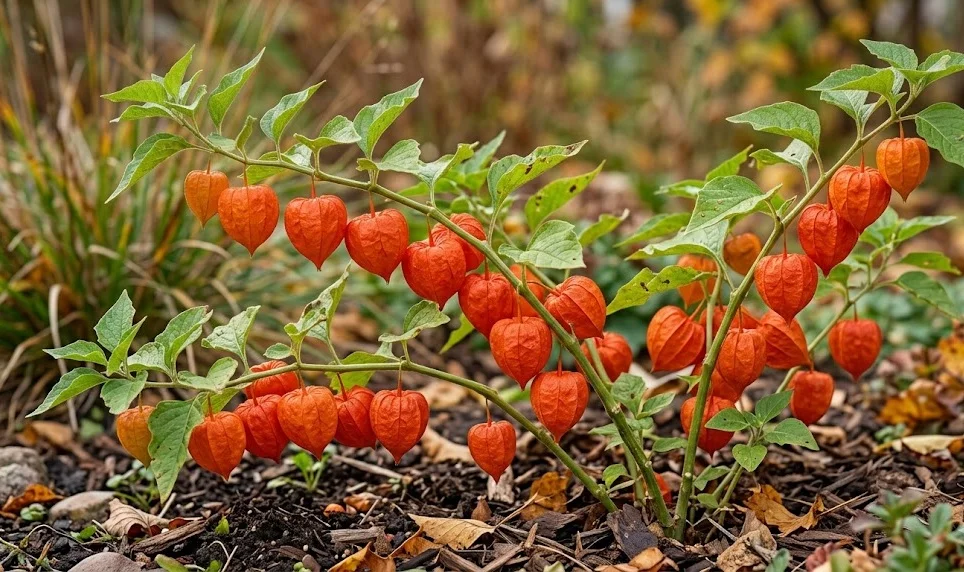

The successful overwintering of the Chinese lantern is a key factor in ensuring a vibrant and expanding colony each spring. While this plant is notably hardy in many temperate zones, specific preparation is required to protect the root system from extreme conditions. A professional approach to winter care involves both physical protection and understanding the plant’s dormant state. By following these expert guidelines, you can ensure that your Chinese lanterns return with renewed vigor as soon as the soil warms.
As a perennial, the Chinese lantern naturally dies back to the ground after the first hard frosts of the autumn. This transition is a biological mechanism that allows the plant to conserve energy and survive the harsh winter months. During this time, the focus of the gardener shifts from the visible foliage to the invisible health of the underground rhizomes. Protecting these vital structures is the primary goal of any overwintering strategy.
The timing of your winter preparations is critical and should be dictated by the local weather patterns rather than a fixed calendar date. Waiting until the plant has fully entered dormancy ensures that the natural processes of nutrient relocation are complete. However, you must act before the ground freezes solid to implement the most effective protective measures. A professional gardener stays attuned to the changing seasons to time these tasks perfectly.
Different growing conditions, such as those in containers or in particularly exposed garden beds, require different levels of intervention. While plants in the ground are naturally insulated by the earth, those in pots are far more vulnerable to temperature fluctuations. Tailoring your approach to the specific needs of your garden ensures that no plant is left at risk. With a little foresight, even the most severe winters can be managed successfully.
Preparing the garden bed for winter
The first step in winter preparation is the management of the dying foliage and the cleanup of the garden bed. Many professionals recommend leaving the stems in place until they have completely turned brown and brittle. This ensures that all the remaining sugars and nutrients have been pulled down into the rhizomes for storage. Once the foliage is dead, it can be cut back to a few inches above the soil line to keep the garden looking tidy.
More articles on this topic
Cleaning up fallen leaves and debris around the base of the plant is essential for preventing the overwintering of pests and diseases. Many fungal spores and insect eggs hide in the leaf litter, waiting for the warmth of spring to re-emerge. By removing this material, you significantly reduce the disease pressure for the following growing season. If the plants were healthy, this material can be composted; otherwise, it should be disposed of elsewhere.
Applying a fresh layer of mulch is perhaps the most important physical protection you can provide for the dormant roots. A thick layer of organic material, such as straw, wood chips, or shredded leaves, acts as an insulator against deep freezes. This mulch also helps to prevent “frost heaving,” where the soil repeatedly freezes and thaws, potentially pushing the rhizomes out of the ground. A professional-grade application of mulch should be three to four inches deep for maximum effectiveness.
If your garden is located in a particularly windy area, you might consider a temporary windbreak for the winter months. Cold, dry winds can desiccate the soil and pull moisture away from the dormant roots, even in the middle of winter. A simple screen of burlap or a strategic placement of evergreen branches can provide enough protection to mitigate this risk. These small steps in the autumn lead to a much more successful and vigorous emergence in the spring.
Overwintering plants in containers
Chinese lanterns grown in containers face unique challenges because their root systems are much more exposed to the cold air. The soil in a pot can freeze much faster and more deeply than the ground, which can damage the delicate rhizomes. For the best results, container-grown plants should be moved to a more sheltered location for the winter months. An unheated garage, a shed, or even a covered porch can provide just enough of a temperature buffer.
More articles on this topic
If moving the containers is not an option, they can be insulated in place using various professional techniques. Wrapping the pots in several layers of burlap, bubble wrap, or specialized frost blankets can help maintain a more stable internal temperature. Grouping multiple containers together also helps to trap warmth and creates a shared microclimate that is more resilient to the cold. The goal is to prevent the soil from undergoing rapid and extreme temperature changes.
Moisture management is still important during the winter, even for dormant plants in containers. While they require far less water than during the growing season, the soil should not be allowed to become bone-dry. Check the moisture level once or twice a month and provide a small amount of water if the soil feels completely dry to the touch. Avoid over-watering, as cold, wet soil is a recipe for root rot during the dormant phase.
As spring approaches, gradually reintroduce the container-grown plants to the outdoor environment. Start by moving them back to their summer location on milder days and bringing them back in at night if frost is predicted. This hardening-off process is just as important for overwintered plants as it is for new seedlings. Professional care ensures a smooth transition that minimizes stress and maximizes the early season growth.
The role of dormancy in plant health
Dormancy is not just a period of rest; it is a vital physiological phase that allows the Chinese lantern to reset for the coming year. During this time, the plant undergoes complex chemical changes that increase its cold tolerance and prepare its buds for spring. Interfering with this process, such as by applying fertilizer too late in the year, can be detrimental to the plant’s survival. A professional gardener respects this natural cycle and avoids any actions that might stimulate premature growth.
The depth of dormancy is often influenced by the total number of “chill hours” the plant experiences during the winter. This natural internal clock ensures that the plant does not wake up during a brief mid-winter warm spell, only to be killed by a subsequent freeze. Understanding this mechanism helps you realize why the plant may seem slow to emerge in the spring. Patience is a key virtue in professional gardening, especially when dealing with perennial species.
In some very mild climates, the Chinese lantern may not go fully dormant or may only experience a very brief rest period. In these areas, the plant might retain some foliage, but its growth will still slow down significantly. Regardless of the climate, reducing water and stopping fertilization during the shortest days of the year is always recommended. This aligns the plant’s care with its natural metabolic rate, regardless of the visible symptoms.
Monitoring the health of the dormant plant is largely a matter of observing the soil and the base of the stems. If the crown feels firm and the soil is not excessively wet, the plant is likely overwintering successfully. If you notice any signs of mold or softening at the base, it may indicate a drainage problem that needs to be addressed. Professional-level overwintering is about creating the right conditions and then letting the plant do its own work.
Transitioning from winter to spring
The end of winter is a period of transition where the risk of damage shifts from deep freezes to unpredictable temperature swings. As the soil begins to thaw, it is important to check the garden for any signs of frost heaving. If any rhizomes have been pushed to the surface, gently press them back into the soil and add a bit more mulch to protect them. This is also the time to slowly thin out the heavy winter mulch as the shoots begin to push through.
Do not be in too much of a hurry to remove all the protective layers at the first sign of warmth. A late spring frost can be particularly damaging to the tender new growth that has been protected all winter. Gradually reducing the mulch over several weeks allows the plant to adjust to the increasing light and fluctuating temperatures. This measured approach is a hallmark of professional garden management during the spring transition.
Once the new shoots are clearly visible and the danger of a hard freeze has passed, you can perform a final spring cleanup. Cut any remaining old stems down to the ground to make room for the fresh, green growth. This is also the perfect time to apply a light layer of compost to provide the nutrients needed for the start of the season. The energy that the plant stored during its successful overwintering will now be used for a rapid growth spurt.
Reflecting on how the plants survived the winter provides valuable information for future improvements to your strategy. Did some areas of the garden fare better than others? Were the container-grown plants more or less successful than those in the ground? Using these observations to refine your professional techniques ensures that your Chinese lantern colony becomes more resilient every year. Successful overwintering is the foundation of a spectacular autumn harvest.