
Preparing these hardy perennials for the cold months is an essential part of the annual gardening cycle to ensure they return with vigor in the spring. While they are naturally adapted to mountain climates and can survive significant freezing, garden specimens still benefit from a bit of protective care. The transition into dormancy is a biological process that begins as the days shorten and temperatures drop in late autumn. By taking a few professional steps, you can safeguard the root systems and crowns of your plants through even the harshest winters.
The first step in a successful overwintering strategy is to assess the overall health of your plants as the growing season comes to an end. Only healthy, well-established plants should be expected to survive the winter without significant intervention. If a plant has struggled with disease or pests during the summer, it may need extra protection or a more sheltered location. Monitoring the local weather patterns will help you decide exactly when to begin your winter preparations.
Hardiness zones provide a general guide, but your specific garden’s microclimate will play a huge role in how the plants fare. Factors like wind exposure, soil moisture, and snow cover all influence the depth of the frost and the temperature of the root zone. A professional gardener knows how to manipulate these factors using mulches and physical barriers to create a safer environment. The goal is to prevent the “freeze-thaw” cycle that can push plants out of the ground and damage delicate tissues.
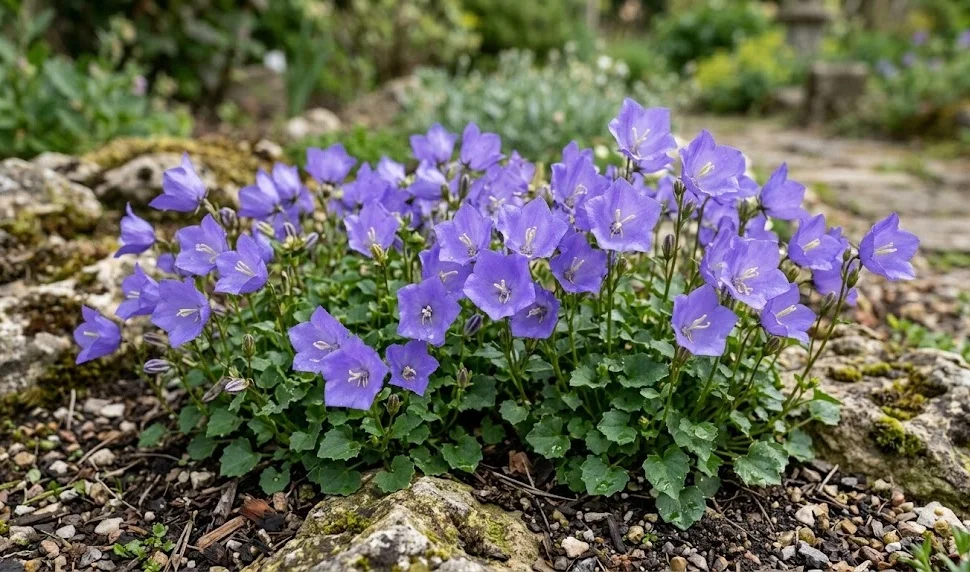
In the early spring, your efforts will be rewarded as the first green shoots begin to emerge from the dormant crown. Proper overwintering not only preserves the life of the plant but also ensures a more robust display of flowers in the coming year. This chapter will cover everything from seasonal clean-up to the specific needs of container-grown specimens. With a little foresight, you can rest easy knowing your bellflowers are tucked in safely for their winter rest.
Assessing hardiness and climate zones
These perennials are remarkably hardy, often categorized as being able to withstand temperatures well below freezing without permanent damage. In many temperate regions, they are perfectly capable of staying in the ground year-round with minimal fuss. However, it is important to know your local hardiness zone to understand the limits of what the plants can endure. This knowledge allows you to tailor your protection strategy to the likely severity of the coming winter.
More articles on this topic
Microclimates within your own garden can make a difference of several degrees, which is often the margin between survival and loss. Plants situated in a sheltered corner near a house wall will stay warmer than those in an open, windswept field. Conversely, plants in low spots where cold air and water collect may face more challenging conditions than those on a well-drained slope. Identifying these “warm” and “cold” spots helps you place your plants where they have the best chance of success.
Snow cover is actually a gardener’s best friend during the winter, acting as a natural insulating blanket for the soil. It keeps the ground temperature relatively stable and protects the dormant crowns from the drying effects of freezing winds. In years without much snow, the risk of “frost heave” increases, where the soil repeatedly freezes and thaws, physically pushing the plant roots toward the surface. Being prepared to provide artificial insulation when the snow is missing is a mark of professional care.
Understanding the timing of the first and last frosts is also critical for managing the transition into and out of dormancy. You want the plant to be fully dormant before the ground freezes solid, and you want to avoid encouraging new growth too early in the spring. Observing the natural signals of the season, such as the changing color of the foliage, will tell you more than any calendar. By working with the natural rhythm of your climate, you ensure the longevity of your alpine beauties.
Protective mulching and clean-up
As the foliage begins to die back in the late autumn, it is a good idea to tidy up the plant and the surrounding area. Remove any dead or diseased leaves to prevent the build-up of fungal spores that could survive the winter. However, avoid cutting the plant all the way to the ground until the foliage has completely withered and turned brown. The plant is still moving nutrients from the leaves down into the roots to store for the spring during this time.
More articles on this topic
Applying a fresh layer of mulch is the single most effective thing you can do to protect the roots from extreme cold. A layer of bark chips, straw, or even evergreen boughs about two to three inches thick provides excellent insulation. This layer helps maintain a more constant soil temperature and prevents the damaging freeze-thaw cycles mentioned earlier. Be careful not to pile the mulch directly on top of the crown, as this can trap too much moisture and cause rot.
In very cold regions, some gardeners prefer to use “winter blankets” or horticultural fleece for added protection during extreme cold snaps. These materials are breathable, allowing moisture and air to reach the plant while still trapping a bit of ground heat. This is especially helpful for young plants that have not yet developed a large, deep root system. Remember to remove these coverings as soon as the weather begins to warm in the spring to prevent overheating.
Maintaining good drainage throughout the winter is just as important as it is during the summer months. Wet, frozen soil is much more damaging to the roots than dry, frozen soil, as it expands more and can literally crush the plant tissues. If your garden tends to be soggy in the winter, you might consider diverting excess water away from your perennial beds. A professional approach to winter care involves managing both temperature and moisture simultaneously.
Winter care for container plants
Plants grown in containers are much more vulnerable to the cold because their roots are not protected by the large mass of the earth. The soil in a pot can freeze solid very quickly, which can damage even the hardiest species. If possible, move your containers to a more sheltered spot, such as against a south-facing wall or into an unheated garage or shed. This small move can provide just enough extra warmth to keep the roots from freezing too deeply.
Wrapping the pots themselves in insulating materials like bubble wrap or burlap can also help slow down the rate of temperature change. Grouping multiple containers together creates a shared microclimate that retains more heat than an isolated pot. You can also “plant” the entire pot into the ground for the winter, using the earth’s natural insulation to protect the roots. These creative solutions allow you to enjoy container gardening even in regions with harsh winters.
Even when dormant, container plants still need a small amount of moisture to prevent the roots from drying out completely. Check the soil occasionally during a thaw; if it feels bone-dry, give the plant a light watering. Be very careful not to over-water, as dormant plants use very little moisture and soggy soil in a pot will quickly lead to rot. Finding the right balance is the key to seeing your container-grown bellflowers survive until spring.
When spring arrives, it is important to reintroduce container plants to the outdoors gradually. The sudden increase in light and temperature can be a shock to a plant that has been in a dark garage or sheltered spot. Start by placing them in a shaded area during the day and moving them back under cover at night. After a week or two of this “hardening off” process, they will be ready to resume their place in the sun and start their new growing season.
Preparing for the spring awakening
As the days begin to lengthen and the soil starts to warm, it is time to prepare for the return of your perennials. The first task is to gently remove the winter mulch from the center of the plant to allow the sun to reach the crown. This helps the soil warm up faster and encourages the first new shoots to emerge. Be careful not to damage any tiny green growth that may already be starting to push through the surface.
Once the danger of a hard freeze has passed, you can trim away any remaining dead foliage from the previous year. This cleans up the appearance of the plant and makes room for the lush new growth that will soon follow. If you notice any plants that have been “heaved” out of the ground by the frost, gently press them back into the soil and firm the area around them. Water them in well to help the roots re-establish their connection with the earth.
Early spring is also the perfect time to apply a light dressing of compost or a balanced slow-release fertilizer. This provides the nutrients the plant needs to support the rapid growth that occurs as the season gets underway. If the soil has become compacted over the winter, use a hand fork to gently aerate the surface around the plants. This allows oxygen to reach the roots and improves water penetration as you begin your regular watering routine.
Monitoring for early-season pests like slugs is essential as the tender new shoots are a favorite food source. By taking these final overwintering steps, you ensure that your bellflowers hit the ground running in the spring. A professional gardener’s work in the winter and early spring sets the stage for a spectacular summer show. Your patience and care during the cold months will be rewarded with a healthy, vibrant garden full of beautiful blooms.