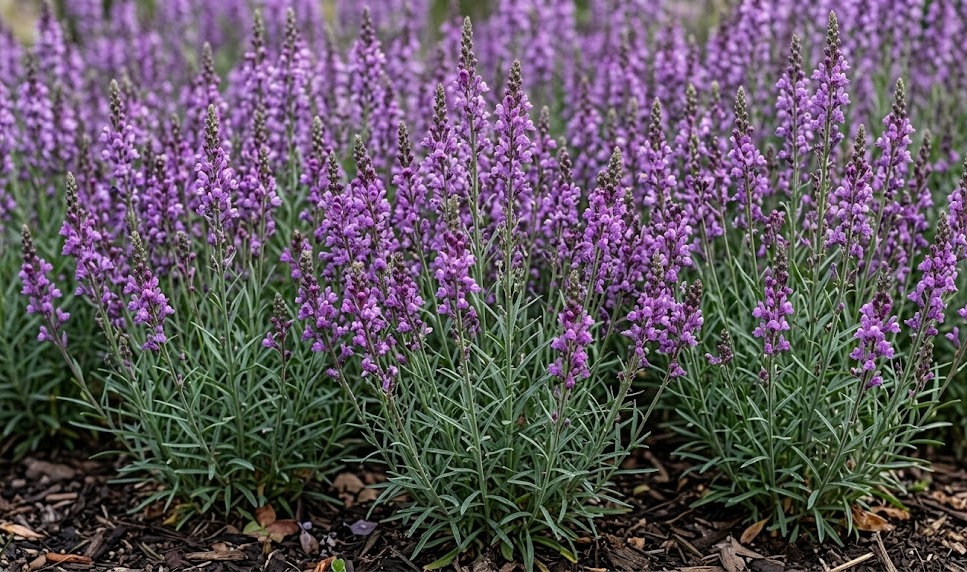

Preparing purple toadflax for the colder months is a critical phase of professional garden management that ensures the longevity and health of this perennial species. While it is known for being quite hardy in many temperate climates, the combination of extreme cold and winter moisture can still pose a significant threat. A thoughtful overwintering strategy focuses on protecting the dormant crown of the plant while preparing the soil for the following spring. Expert care during this transition period is what allows the garden to return with even greater vigor when the weather eventually warms up.
The timing of winter preparations should be guided by the first frosts and the overall decline of the plant’s active growth. As the days shorten and the temperatures drop, the purple toadflax naturally begins to withdraw its energy into its root system. This physiological shift is the signal for the gardener to begin the final cleanup and protection tasks of the year. Professional overwintering is not about stopping nature but about supporting the plant’s natural dormant state.
One of the biggest challenges during winter is not actually the cold itself, but the potential for the soil to become waterlogged and heavy. Saturated ground can lead to root rot and the death of the plant, even if the temperatures remain relatively mild. Ensuring that the planting beds have excellent drainage is a year-round priority that becomes especially important during the wet winter months. An expert eye will look for any areas where water might pool and take corrective action before the ground freezes.
Winter is also a time for reflection and planning, as the skeletal structure of the garden becomes more apparent without its summer foliage. This period of quiet allows the professional gardener to assess the successes and failures of the past season and make informed decisions for the future. Record-keeping and observation are just as important during the winter as they are during the peak of the growing season. A well-managed garden is the result of continuous attention and professional foresight throughout the entire year.
Understanding dormancy and hardiness
Purple toadflax is typically rated for hardiness zones that cover a wide range of temperate environments, making it a reliable choice for many regions. Its ability to survive freezing temperatures is due to the concentration of sugars and other compounds in its roots that act as a natural antifreeze. During dormancy, the visible parts of the plant may die back completely, leaving only the crown at the soil surface. Professional knowledge of these biological mechanisms helps in providing the right level of protection without over-coddling the plant.
More articles on this topic
The depth of the root system plays a significant role in how well an individual specimen can withstand a particularly harsh winter. Plants that have been encouraged to grow deep roots through proper watering and soil management are generally more resilient. This is why the care provided during the summer months is so directly linked to the plant’s survival during the winter. Expert gardening is a holistic process where every action has long-term consequences for the health of the species.
In some regions, a “false spring” can be more dangerous than a consistently cold winter, as it might trigger the plant to break dormancy too early. If new shoots appear during a warm spell only to be hit by a subsequent hard frost, the plant can lose a significant amount of its stored energy. Professionals may use temporary coverings or extra mulch to insulate the plants and keep the soil temperature stable during these unpredictable periods. Managing these environmental fluctuations is a core part of expert seasonal care.
The specific microclimate of a garden can also influence how well purple toadflax overwinter in a particular spot. A location that is sheltered from cold winds or that benefits from the thermal mass of a nearby wall can be several degrees warmer than the rest of the garden. Understanding these subtle variations allows a professional to place more sensitive varieties in the most protected areas. Site selection is a fundamental skill that pays dividends during the most challenging winter weather.
Autumn cleanup and soil preparation
As the flowering season comes to an end, the decision must be made whether to cut the stems back or leave them for winter interest. Many professionals prefer to leave the dried stalks standing until late winter, as they can provide a home for beneficial insects and food for birds. However, if there were any signs of disease during the summer, the stems should be removed and destroyed to prevent the pathogens from overwintering. This balance between ecological value and garden hygiene is a common professional dilemma.
More articles on this topic
Removing fallen leaves from the crown of the plant is important to prevent a thick, wet mat from forming that could lead to rot. While a light layer of leaves can provide some insulation, too much moisture-trapping debris is a risk factor for fungal issues. A professional standard of tidiness ensures that the base of the plant can still “breathe” even during the dormant season. Using a gentle rake or hand-cleaning the area around the perennials is a mark of a dedicated gardener.
Applying a fresh layer of mulch in the late autumn is one of the most effective ways to protect the roots from the freeze-thaw cycle. A layer of organic matter like bark chips or leaf mold acts as an insulating blanket, keeping the soil temperature more consistent. This prevents the “frost heaving” that can sometimes push young or shallow-rooted plants out of the ground. Professionals always apply mulch to moist, unfrozen soil for the best protective results.
If the soil has become compacted during the busy growing season, very gentle aeration around the perimeter of the plant clumps can be beneficial. Taking care not to damage the roots, a gardener can use a fork to create small holes that improve water and oxygen penetration. This preparation ensures that the soil structure is ready to support rapid root growth as soon as the spring arrives. Expert soil management is an ongoing process that does not stop when the flowers fade.
Thermal protection and moisture control
In areas where the winters are exceptionally cold or where the plants are growing in exposed containers, extra thermal protection may be necessary. Wrapping pots in bubble wrap or burlap can provide enough insulation to prevent the root ball from freezing solid. For plants in the ground, a temporary framework covered with frost cloth can be used during the most extreme cold snaps. These professional interventions are temporary but can be the difference between survival and loss.
Managing the moisture levels in the soil during winter is a delicate task, as both too much and too little water can be problematic. While we often worry about saturated soil, a completely dry root ball in frozen ground can also cause tissue damage. If the winter is unusually dry and the ground is not frozen, a light watering on a mild day can be very helpful for the plants. This level of active monitoring is what characterizes an expert approach to seasonal garden care.
Snow can actually be a very effective natural insulator for perennials, protecting them from the drying effects of cold winds. A consistent layer of snow keeps the ground at a steady temperature near freezing, which is perfect for the dormant roots of purple toadflax. Professionals often welcome a good snow cover as it provides a protective barrier that is better than any artificial material. However, heavy, wet snow should be gently cleared from any remaining upright structures to prevent them from snapping.
Wind protection is another important consideration, as cold winter gales can quickly desiccate any evergreen or semi-evergreen foliage that might remain. If a garden is particularly exposed, creating a temporary windbreak using hurdles or netting can significantly improve the survival rate of the plants. This proactive protection is part of the “defense in depth” strategy used by professional estate managers and horticulturalists. Taking the time to shield the garden from the elements is a sign of a true plant lover.
Post-winter assessment and spring recovery
As the first signs of spring appear, the professional gardener begins a thorough assessment of the overwintering success across the entire landscape. Any remaining dead stalks from the previous year should now be cut back to the ground to make way for new growth. This clearing process is a satisfying task that marks the official beginning of the new gardening year. Observing where the new shoots are strongest provides clues about which areas of the garden provided the best winter protection.
If any plants have been lifted by frost heaving, they should be gently pressed back into the soil as soon as the ground has thawed. Checking the stability of the root systems is an important part of the early spring inspection routine. If a plant has unfortunately not survived the winter, it should be removed promptly to prevent any rot from affecting its neighbors. Replacing lost specimens early in the season ensures that the garden display remains full and professional-looking.
The application of a balanced, slow-release fertilizer in early spring helps to give the recovering plants the energy they need for their rapid expansion. This initial feed is timed to coincide with the increasing soil temperatures and the awakening of the root system. As the growth accelerates, the watering schedule should also be gradually increased to match the plant’s rising demands. This transition from dormancy to active growth is a critical and exciting time in the horticultural calendar.
Ultimately, successful overwintering is the result of a year-round commitment to plant health and soil quality. By providing the right conditions throughout the summer and taking simple protective steps in the autumn, any gardener can ensure their purple toadflax returns year after year. The steady, reliable cycle of the seasons is one of the most rewarding aspects of professional horticulture and agricultural life. Mastery of these overwintering techniques is a hallmark of a true garden expert and a dedicated steward of the landscape.