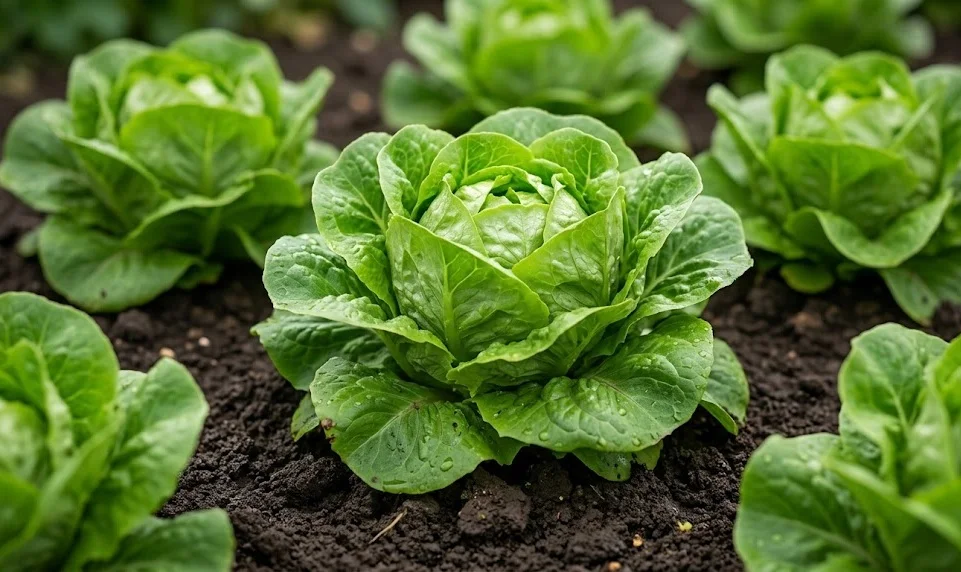

If you want to enjoy fresh garden greens during the coldest months of the year, selecting the right cold-hardy varieties is an absolute necessity for success. Many types of lettuce, such as ‘Winter Density’ or ‘Arctic King’, have been specifically bred to withstand freezing temperatures and low light conditions. these plants often have thicker, more robust leaves that are less likely to be damaged by the frost than their summer counterparts. Choosing the right genetics from the start will make the entire overwintering process much easier for any home gardener.
You should also look for varieties that are known for their ability to go dormant during extreme cold and then quickly resume growth when the weather warms slightly in the spring. Some heading types are particularly good at protecting their inner leaves from the biting wind and ice, ensuring a crisp harvest even in the middle of winter. You might want to experiment with a few different kinds to see which ones perform best in your specific microclimate and garden setup. Every garden is unique, and finding your local favorites is part of the fun of winter gardening.
In addition to traditional lettuce, many gardeners include other hardy greens like mâche, also known as corn salad, in their winter planting plans for a bit of variety. Mâche is incredibly cold-tolerant and will often continue to grow slowly even when the ground is frozen solid beneath it. Including a mix of different species ensures that you have a resilient and diverse harvest to look forward to throughout the darker months of the year. Diversity is just as important in the winter garden as it is during the peak of the summer growing season.
When you purchase your seeds, pay close attention to the recommended planting dates for overwintering in your specific hardiness zone or region. You typically want the plants to be about half-grown by the time the first hard freeze arrives, so they have enough established root mass to survive the winter. If you plant too late, the seedlings may be too small and tender to make it through the harshest weather of January and February. Timing is a critical factor that requires a bit of planning and foresight in the late summer or early autumn.
Building protective structures
Providing some form of physical protection is often the key to keeping your lettuce alive and edible when the temperatures drop well below the freezing point. A simple cold frame, which is essentially a wooden box with a transparent lid, can create a much warmer microclimate for your plants by trapping the heat from the sun. You can even build one yourself using recycled materials like old window frames and scrap lumber from other projects. The extra warmth provided by a cold frame can extend your harvesting season by several weeks or even months.
More articles on this topic
Low tunnels or cloches made from plastic sheeting or horticultural fleece are another popular and effective way to protect your winter lettuce from the elements. These structures are easy to set up over existing garden rows and can be quickly opened or closed depending on the daily weather forecast. They act as a barrier against the drying winds and heavy snow that can physically crush tender leafy greens if they are left completely exposed. Fleece is particularly useful because it allows air and moisture to penetrate while still providing a few degrees of frost protection.
For those in extremely cold climates, using a combination of different protective layers can provide the ultimate insurance against the worst that winter has to throw at your garden. You might place a layer of horticultural fleece directly over the plants and then cover the entire bed with a sturdy plastic tunnel or cold frame. This “double-glazing” effect creates a very stable environment that can keep the soil from freezing as deeply as it would otherwise. Monitoring the temperature inside these structures will help you know when to provide a bit of ventilation on sunny days.
The placement of your winter garden can also have a significant impact on how well your plants survive the cold and the dark of the winter months. Try to choose a spot that is sheltered from the prevailing north winds and receives as much winter sunlight as possible throughout the day. A south-facing wall or a spot near a building can act as a thermal mass, absorbing heat during the day and releasing it slowly during the cold nights. Taking advantage of these natural features can make a big difference in the success of your overwintering efforts.
Winter maintenance and safety
Maintenance in the winter garden is much less intensive than in the summer, but there are still a few key tasks you must perform to ensure your plants stay healthy. Watering is still necessary, although much less frequently, as the cool air and protective covers reduce the rate of evaporation from the soil surface. You should check the moisture levels every week or two and provide a little bit of water if the ground feels dry to the touch. Be careful to water early in the day so that any moisture on the leaves has a chance to dry before the sun goes down.
More articles on this topic
Ventilation is perhaps the most important daily task when you are using cold frames or plastic tunnels to protect your lettuce during the winter months. On sunny days, the temperature inside these structures can rise surprisingly quickly, which can cause the plants to wilt or even begin to bolt prematurely. You should open the lids or roll up the sides of your tunnels for a few hours in the middle of the day to let fresh air circulate. Just remember to close them back up before the temperature begins to drop again in the late afternoon.
Snow can be both a friend and a foe to the winter gardener, depending on how you manage it and the type of protection you are using for your plants. A light layer of snow actually acts as an excellent insulator, protecting the ground and the plants from the most extreme freezing temperatures of the season. However, heavy, wet snow can easily collapse tunnels or break the glass in cold frames if it is allowed to pile up too deeply. You should gently brush off any significant accumulations of snow to protect the integrity of your garden structures and your crop.
Pests can still be a problem in the winter, especially inside the relatively warm and protected environment of a cold frame or a tunnel. Slugs and snails are often active during mild spells and can quickly damage the slow-growing plants if they are not kept in check. You should also keep an eye out for small rodents like voles or mice that might be looking for a warm place to hide and a quick snack of fresh greens. Regular inspections will help you catch these issues early and keep your winter harvest safe and healthy for your table.
Transitioning back to spring
As the days begin to lengthen and the temperatures start to rise in late February or early March, your overwintered lettuce will suddenly begin to grow much more rapidly. This is an exciting time in the garden, as you will soon have an abundance of fresh, sweet greens to enjoy before your spring-sown crops are even out of the ground. You should begin to gradually increase the amount of ventilation you provide and start thinking about a light spring feeding to support this new growth. The plants will appreciate the extra attention as they wake up from their winter dormancy.
You may need to be extra vigilant during this transition period, as the unpredictable weather of early spring can still bring sudden and damaging frosts to your garden. Keep your protective covers handy and be ready to close them up if a cold snap is predicted in the local forecast for your area. The tender new growth that the plants produce in the spring is often more sensitive to freezing than the tough leaves that survived the winter. A little bit of caution now will ensure that you don’t lose your hard-earned harvest right at the finish line.
This is also the perfect time to start planning your next succession of lettuce and other cool-season vegetables for the upcoming spring and summer seasons. You can use the space between your overwintered plants to sow new seeds or transplant seedlings that you have started indoors. By integrating your winter and spring gardens, you can maintain a truly continuous supply of fresh produce for your kitchen throughout the entire year. Learning how to bridge the gap between the seasons is a hallmark of a truly expert and dedicated gardener.
Once the overwintered lettuce finally begins to bolt or loses its quality as the heat of late spring arrives, you can remove the plants and add them to your compost pile. They have served you well throughout the dark months and can now contribute their nutrients back to the soil for the next generation of crops. Reflecting on what worked well and what challenges you faced during the winter will help you refine your approach for the following year. Every season is a learning experience that makes you a better and more resilient grower in the long run.