
Preparing lamb’s ear for the winter months is an essential task for any gardener who wants to ensure a vibrant return in the spring. While this perennial is exceptionally hardy and can withstand significant frost, the combination of cold and moisture presents a unique challenge. In many climates, the plant does not go completely dormant, but its growth slows down significantly as it enters a survival phase. By taking a few professional steps in late autumn, you can protect the crown and roots from the harshest winter conditions.
Preparing the foliage for freezing temperatures
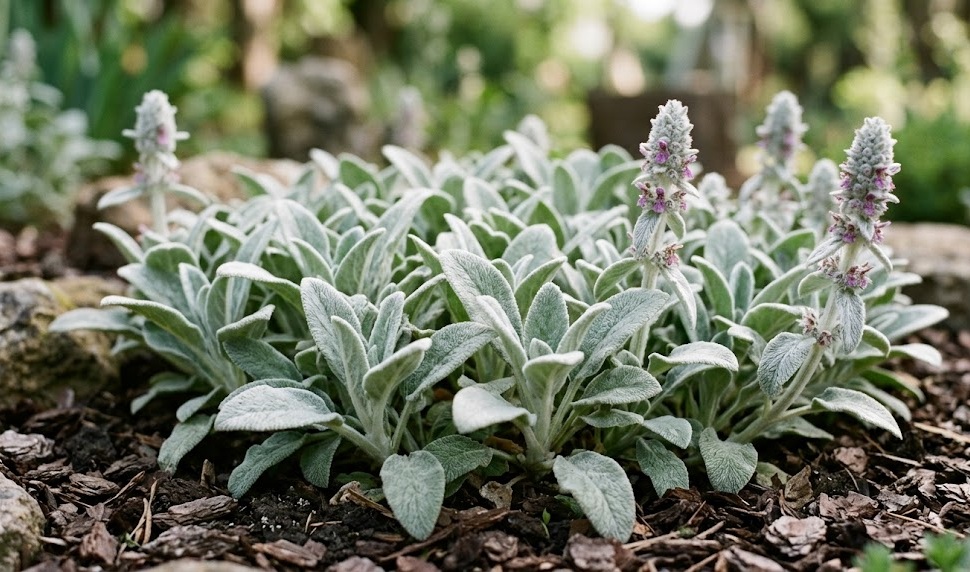
As the days grow shorter and the first frosts approach, you will notice the lamb’s ear foliage beginning to change. The leaves may lose some of their upright posture and become more matted against the ground as the plant conserves energy. This is a natural reaction to the cold and helps protect the sensitive crown from freezing winds. You should resist the urge to do a heavy pruning at this stage, as the old leaves provide a natural layer of insulation for the roots.
During late autumn, your primary task is to remove any diseased or overly soggy leaves that might harbor mold during the winter. Leaves that are already rotting from autumn rains can spread decay to the center of the plant if left in place. Use your hands or a small pair of shears to carefully clear the base of the plant of any suspicious-looking material. However, leave the healthy silver foliage intact, even if it looks a bit tattered, to act as a buffer against the snow.
If you live in a region with particularly harsh winters, you might notice the plant looking quite bedraggled by mid-winter. Do not be alarmed if the silver leaves turn a duller gray or even brown on the edges after a deep freeze. The core of the plant is much tougher than the delicate surface hairs suggest, and it is built to survive these temperature swings. Focus on maintaining a clean area around the plant to prevent any trapped moisture from freezing directly against the crown.
Avoiding late-season fertilization is crucial for a successful overwintering process. You want the plant to stop producing new, tender growth that would be easily killed by the first hard frost. By allowing the plant to harden off naturally, you are ensuring that its tissues are tough and ready for the sub-zero temperatures. This professional restraint allows the plant’s natural internal clock to guide it safely into the dormant season.
More articles on this topic
Mulching and insulation for root protection
While the foliage of lamb’s ear can handle the cold, the roots can be sensitive to the repeated freezing and thawing of the soil. This process, known as frost heaving, can sometimes push small or newly planted specimens out of the ground, exposing their roots to the air. To prevent this, a light layer of mulch can be applied around the base of the plant after the ground has frozen. However, the type of mulch you choose is extremely important for this moisture-sensitive species.
Avoid using heavy, moisture-retaining mulches like wood chips or thick layers of straw directly against the plant. Instead, a thin layer of evergreen boughs or a scattering of dry, shredded leaves can provide insulation while still allowing for air circulation. These materials trap a layer of air that moderates the soil temperature without creating a soggy environment. The goal is to keep the roots at a consistent temperature rather than trying to keep them warm.
In very cold climates without reliable snow cover, the drying effect of winter winds can be more damaging than the cold itself. The evergreen boughs mentioned earlier are particularly effective at breaking the wind and preventing the foliage from becoming excessively dehydrated. If you are growing lamb’s ear in an exposed, windy location, providing this extra bit of physical protection can make a significant difference. Place the boughs gently over the patch in late December and remove them once the spring growth begins.
If you find that a plant has been heaved out of the ground during a winter thaw, gently press it back into place as soon as the soil is workable. You can add a little bit of extra soil or compost around the exposed roots to protect them until spring. Monitoring your garden after major temperature shifts is a professional habit that catches these small issues before they lead to plant loss. A little bit of attention during the winter can save you a lot of replanting work in the spring.
More articles on this topic
Managing winter drainage and moisture
The greatest enemy of lamb’s ear during the winter is not the cold, but the combination of wet soil and freezing temperatures. In many areas, winter involves periods of rain or melting snow that can leave the garden beds saturated for weeks. If the water cannot drain away from the lamb’s ear, the crown will quickly rot, and the plant will not survive to see the spring. Ensuring that your planting site remains well-drained even in the dead of winter is a top priority.
If you notice water pooling around your plants during a thaw, you may need to take temporary measures to redirect the flow. Creating small drainage channels or using a garden fork to gently aerate the surrounding soil can help the water move through more quickly. However, be careful not to disturb the dormant roots of the plant itself while the ground is frozen. Professional gardeners often plan their drainage systems specifically with these winter challenges in mind.
Snow cover can actually be a beneficial insulator for lamb’s ear, protecting it from extreme cold and drying winds. As long as the snow is light and fluffy, it provides a stable environment for the dormant plants underneath. However, heavy, wet snow or ice crusts can crush the foliage and trap moisture against the crown. If a very heavy snowfall occurs, you might gently brush some of the excess off the plants to prevent physical damage and improve ventilation.
Avoid walking on or near your lamb’s ear patches when the ground is frozen or exceptionally wet. Compacting the soil during the winter ruins the delicate air pockets that the roots need to survive and makes the drainage problems even worse. By staying on established paths, you are protecting the soil structure and ensuring a healthy environment for the coming growing season. This simple discipline is a key part of maintaining a professional-grade landscape throughout the year.
Early spring recovery and cleanup
The transition from winter to spring is the time when the lamb’s ear begins its most dramatic transformation. As the soil warms and the days lengthen, you will see new, tiny silver leaves emerging from the center of the crown. This is the signal that it is time to perform your annual spring cleanup and remove the remnants of winter. Taking action at the right moment will give the new growth the best start possible and prevent any lingering diseases.
Start by carefully removing all the dead, brown, and tattered leaves from the previous year. You can usually pull these away by hand or use a pair of clean shears to cut them back to the new green growth. Be gentle during this process, as the new shoots are soft and easily damaged by rough handling. Clearing away the old foliage allows the sun to reach the center of the plant and encourages a flush of fresh, vibrant leaves.
If the winter was particularly harsh, you might find that some parts of the plant have died back more than others. Do not worry if the patch looks a bit thin initially; lamb’s ear is a fast grower and will quickly fill in any gaps as the weather warms. You can also take this opportunity to divide any overcrowded clumps or move plants to new locations. The cool, moist weather of early spring is the ideal time for these tasks, as it minimizes stress on the plants.
Once the cleanup is complete, a light application of compost can help provide the nutrients needed for the spring growth spurt. Watch the weather closely, as a late spring frost can sometimes damage the tender new leaves. If a deep freeze is predicted after the plants have started growing, a temporary covering of burlap can provide enough protection. With a professional approach to overwintering and spring care, your lamb’s ear will remain a stunning focal point in your garden year after year.