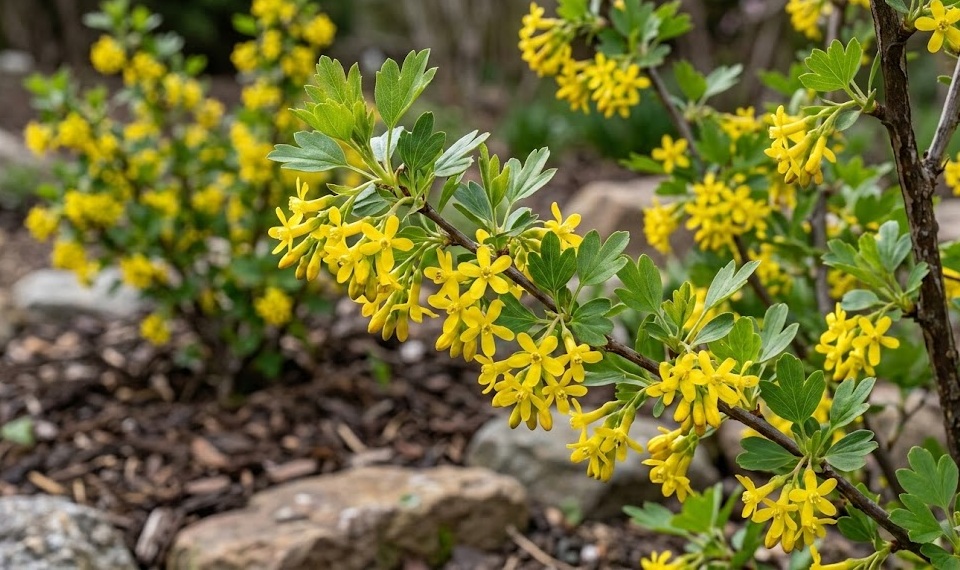

Preparing your shrubs for the cold months is an essential part of the annual care cycle that ensures a strong return in the spring. You must understand how the golden currant responds to freezing temperatures and the specific risks it faces during the dormant season. A few simple steps taken in the autumn can protect the plant from physical damage and extreme temperature fluctuations. This guide explains the best methods for safely overwintering your plants and preparing them for the next year of growth.
Preparing for the first frost
As the days grow shorter and the temperatures begin to drop, you should start tapering off your watering and feeding. You want the plant to naturally slow its growth and begin the process of hardening its wood for the coming winter. Encouraging new, soft growth late in the season is a mistake that can lead to significant frost damage when the first freeze arrives. This transition period is about guiding the plant into its natural state of rest.
Clean up the area around the base of the shrub to remove any fallen fruit or debris that could harbor pests. You should also take this time to do a final inspection for any late-season diseases on the foliage before it all drops. Clearing away this material reduces the chance of infections returning to the plant in the early spring. A clean start for the winter makes for a much easier beginning to the next growing season.
If you are in an area with very early frosts, you might want to have some frost blankets or burlap ready to use. You can cover young or newly planted shrubs on particularly cold nights to give them an extra layer of protection. While established golden currants are quite hardy, these early extreme cold snaps can sometimes catch them off guard. Being prepared allows you to react quickly to the changing weather and keep your plants safe.
Check the structural integrity of your shrubs one last time before the leaves are completely gone. You should prune out any dead or broken branches that could be further damaged by heavy snow or ice. This light cleanup prevents unnecessary tearing of the bark and keeps the plant looking tidy throughout the winter. It is a small task that makes a big difference in how well the shrub survives the harsh conditions.
More articles on this topic
Protective mulching techniques
A thick layer of organic mulch is one of the best things you can provide for your currants during the winter months. You should apply a three- to four-inch layer of wood chips, straw, or shredded leaves around the root zone. This mulch acts as an insulator, keeping the soil temperature more stable and preventing the ground from heaving during freeze-thaw cycles. Stable soil temperatures are much easier on the root system and help the plant stay dormant.
Mulching also helps to retain moisture in the soil, which is important even when the plant is not actively growing. You should make sure the ground is well-hydrated before the first hard freeze locks the moisture away from the roots. The mulch layer prevents the drying winter winds from pulling all the water out of the top few inches of soil. This protection is especially vital in regions with dry winters and very little snow cover.
When you are applying your winter mulch, you must remember to keep it a few inches away from the main stem of the shrub. You don’t want the mulch to hold moisture against the bark, as this can encourage rot or provide a hiding place for rodents. A donut-shaped application of mulch is the best way to protect the roots without endangering the trunk. This simple technique ensures that the protection you provide doesn’t accidentally cause a new problem.
As the snow begins to melt in the late winter, you should check your mulch layer to see if it needs to be replenished. You might find that some of it has washed away or decomposed over the course of the cold season. Keeping the roots covered until the ground has fully thawed is important for a smooth transition into spring. Consistent protection is the key to a successful overwintering strategy for any professional grower.
More articles on this topic
Shielding from extreme weather
In areas with very harsh winter winds, you might need to provide some additional physical protection for your shrubs. You can create a simple windbreak using wooden stakes and a layer of burlap or landscape fabric. This shield reduces the drying effect of the wind and prevents the branches from being whipped around and broken. Protecting the plant from the elements helps it conserve its energy for the upcoming spring burst.
Heavy snow and ice can be a major threat to the structural integrity of your golden currants. You should gently brush off heavy accumulations of snow from the branches before they have a chance to bend or snap. Never try to break off ice, as this will almost certainly damage the bark and underlying tissue of the plant. A careful and patient approach is the best way to manage these winter weather events.
Sunscald can occur on the bark during bright winter days when the sun warms the tissue and then it quickly freezes again at night. You can protect the main stems of young plants by wrapping them in a light-colored tree wrap or using a specialized guard. This reflects the sun and keeps the bark temperature more consistent throughout the day and night. It is a professional detail that can prevent permanent scarring and damage to your prize shrubs.
Rodents and other small animals can sometimes chew on the bark of your currants when other food sources are scarce in the winter. You should consider installing a wire mesh guard around the base of the plant if this is a known issue in your area. This physical barrier keeps the animals away from the vulnerable bark and ensures the shrub remains intact. Protecting your plants from wildlife is just as important as protecting them from the weather.
Transitioning to spring growth
As the days begin to lengthen and the first signs of spring appear, you should start to gradually remove any winter protection. You don’t want to take everything off at once, as the plant needs time to adjust to the increasing light and fluctuating temperatures. Pulling back the mulch a bit allows the soil to warm up more quickly and encourages the roots to wake up. This careful timing helps ensure that the shrub starts its growth cycle at the right moment.
Inspect the branches for any signs of winter kill or damage from snow and ice that you may have missed. You should prune back any dead tips to healthy green wood as soon as you can see where the new buds are forming. This cleanup allows the plant’s energy to flow into the strongest and most productive parts of the shrub. A fresh start in the spring is the reward for all your hard work during the winter months.
Check your irrigation system to make sure it is ready to go as soon as the weather becomes consistently warm. You should give the plants a good watering once the ground has fully thawed to help them flush out any salts and rehydrate. This initial boost of water is like a wake-up call for the entire plant after its long winter rest. Starting the season with plenty of moisture sets the stage for a vigorous and healthy year.
Finally, keep an eye on the weather forecast for any late-season frosts that could damage the tender new growth. You should be prepared to cover your plants again if a sudden cold snap is predicted after they have started to leaf out. This final bit of vigilance ensures that all your overwintering efforts aren’t lost at the last minute. Transitioning successfully into spring is the final step in a professional annual care plan.