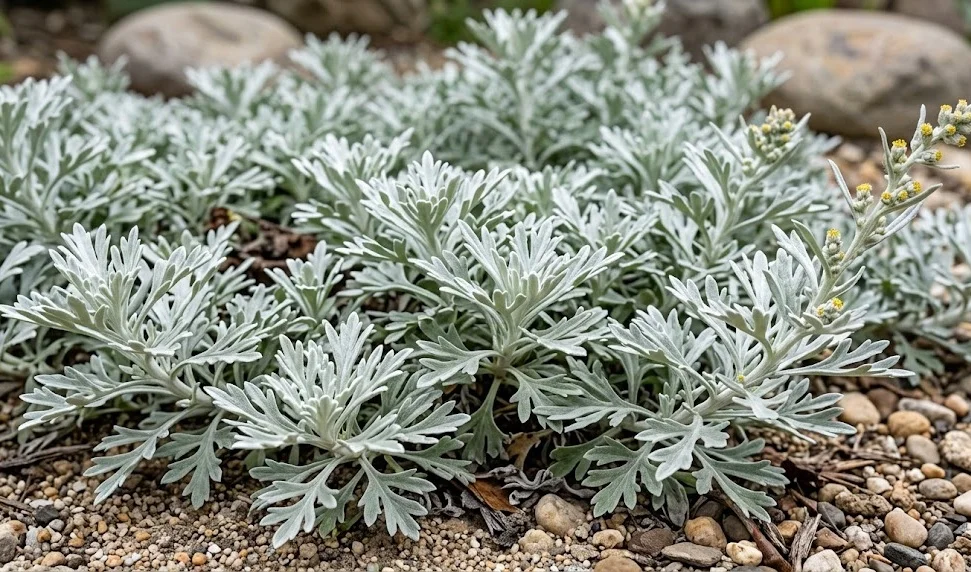

Overwintering of dusty miller is a crucial process for ensuring that this striking silver perennial returns to grace your garden year after year. While many people treat it as an annual, it is actually quite hardy in many regions if given the right conditions to survive the cold months. The secret to success lies in understanding the plant’s dormancy cycle and protecting its root system from extreme temperature fluctuations. A professional approach to winter care will keep your garden structure intact even during the bleakest part of the season.
Preparation for the winter begins long before the first frost arrives, as the plant needs to gradually harden off. You should stop fertilizing and reduce watering in the late summer to signal to the plant that the growing season is coming to an end. This encourages the stems to become slightly more woody and resilient to the freezing temperatures ahead. Proper timing of these adjustments ensures that the plant is not in a state of soft, vulnerable growth when the cold hits.
The primary goal of overwintering is to prevent the crown of the plant from rotting or being pushed out of the ground by frost heaving. You must focus on maintaining a stable environment for the roots while allowing the foliage to act as a natural insulator. Whether your plants are in the ground or in containers, there are specific techniques you can use to increase their chances of survival. Understanding the microclimate of your garden will help you decide which level of protection is necessary.
As the winter progresses, your role changes from active maintenance to passive observation and occasional intervention. You should monitor the weather patterns and be ready to provide extra cover during unusually severe cold snaps. In the spring, the way you transition the plant back into growth is just as important as the winter protection itself. This article provides a comprehensive guide to navigating the winter months with your dusty miller, ensuring a vibrant silver display in the coming spring.
Hardiness and cold tolerance factors
Dusty miller is generally rated for hardiness in zones 7 through 10, but it can often survive in colder areas with proper care. You should research the specific variety you are growing, as some selections have been bred for better cold resistance than others. The silver hairs on the foliage actually provide a small amount of thermal protection by trapping a layer of air near the leaf surface. However, the plant’s ability to withstand frost is largely dependent on the condition of its root system and the drainage of the soil.
More articles on this topic
Soil moisture during the winter is a double-edged sword that requires careful management. You want the soil to be slightly damp so the roots don’t dehydrate, but excess water can freeze and expand, damaging the delicate root tissues. A well-drained site is even more important in the winter than in the summer because wet, cold soil is a death sentence for this species. If your garden has heavy soil, you must take extra precautions to ensure that winter rains can drain away quickly.
The location of the plant in your landscape also influences its winter survival rate. Plants located near a south-facing wall or a large stone may benefit from the heat absorbed by these structures during the day. Conversely, plants in open, windswept areas are more prone to desiccation and extreme cold. You should consider the natural wind patterns of your garden and how they might affect the temperature around your silver-foliage plants.
In colder climates, the plant may die back to the ground completely, but the crown can still remain alive if it is protected. You should not be too quick to dig up a plant that looks dead in late winter, as new growth often emerges from the base once the soil warms up. Patience is a key professional trait when it comes to assessing winter survival. By understanding the plant’s natural limits, you can better prepare it for whatever the winter might bring.
Protective measures for in-ground plants
The most effective way to protect in-ground plants is to leave the foliage intact until the following spring. You should avoid the urge to “tidy up” the garden in the fall by cutting the plants back, as the dead leaves provide a natural layer of insulation for the crown. These leaves also help catch falling snow, which is one of nature’s best insulators against extreme cold. This passive protection is often enough to get the plant through a standard winter in its hardiness range.
More articles on this topic
Adding a layer of mulch can provide additional protection for the root system, but you must choose the material carefully. You should use a loose, breathable mulch like pine needles, straw, or evergreen boughs rather than heavy bark or wood chips. Apply the mulch after the first hard freeze to ensure the plant has already entered dormancy and to prevent rodents from nesting in it too early. The mulch should be several inches thick but should not be packed tightly around the main stems.
In areas where extreme cold or heavy ice is expected, you might consider using a specialized garden fabric or a cloche for temporary protection. You should only use these covers during the coldest nights and remove them during the day to prevent heat and moisture buildup. Plastic covers should be avoided unless they are held away from the foliage with stakes, as the plastic can transfer the cold directly to the leaves. Professional covers allow the plant to breathe while still providing a significant temperature buffer.
Monitoring for frost heaving is another important part of winter care for in-ground perennials. This happens when the soil freezes and thaws repeatedly, literally pushing the plant and its roots out of the ground. You should gently firm the soil around any plants that have been lifted and add a bit more mulch to protect the exposed roots. This simple check can save a plant that would otherwise die from exposure during a mid-winter thaw.
Overwintering strategies for container plants
Plants grown in containers are much more vulnerable to the cold because their roots are not protected by the thermal mass of the earth. You should move your potted dusty miller to a more sheltered location, such as against a house wall or inside an unheated garage or greenhouse. If the pots must stay outside, you can wrap them in bubble wrap, burlap, or specialized pot insulators to keep the roots from freezing solid. Grouping several pots together also helps them retain a bit more heat through shared thermal mass.
The watering needs of container plants do not stop entirely during the winter, although they are greatly reduced. You should check the moisture level of the soil every few weeks and water lightly only if the soil is bone-dry and the ground is not frozen. A plant that goes into a hard freeze while dehydrated is much more likely to suffer root damage. Avoiding the use of saucers that hold water is critical to prevent the pots from becoming waterlogged during winter rains.
In very cold climates, the best option for container-grown artemisia is to bring them into a cool, bright indoor space. You should treat them as houseplants for the winter, placing them in a south-facing window where they can get as much light as possible. Keep them away from heating vents and drafts, which can cause the foliage to dry out too quickly. This indoor retreat ensures the plant stays evergreen and ready for a quick start in the spring.
If you decide to keep your container plants in a dormant state in a garage or shed, they will need very little light but still need occasional moisture. You should monitor them for any signs of mold or pests that can thrive in stagnant indoor air. In the late winter, as the days get longer, you will see new growth starting to appear, signaling that it is time to begin a slow transition back to the outdoors. Container gardening offers flexibility that can be a real advantage for overwintering.
Post-winter assessment and spring recovery
As the temperatures begin to rise and the threat of a hard frost passes, you should start the process of uncovering your plants. You should remove the winter mulch gradually rather than all at once to avoid shocking the plants with a sudden change in temperature. This is also the time to carefully inspect each specimen for any signs of winter damage or disease. If the stems are firm and there are green or silver buds visible at the base, your plant has successfully made it through the winter.
Once you see active new growth, you can finally prune away the old, dead foliage that provided protection during the cold months. You should cut back any brown or damaged stems to just above a healthy set of new leaves or a dormant bud. This cleanup not only improves the appearance of the plant but also encourages it to produce a flush of fresh silver growth. A professional pruning in the spring sets the stage for a beautiful and productive growing season.
Spring is also the ideal time to refresh the soil and provide a very light application of fertilizer if needed. You should gently loosen the surface of the soil around the base of the plant to improve aeration after the winter compaction. If your plants are in containers, you might consider repotting them or top-dressing them with fresh compost. This renewed focus on soil health gives the plant the nutrients and oxygen it needs to build a strong foundation for the year.
Finally, keep a close eye on the weather forecast during the early spring, as late frosts can still damage tender new growth. You should have your protective covers ready to go just in case a sudden cold snap threatens your recovering plants. By being vigilant during this transitional period, you ensure that all your hard work during the winter pays off. Your dusty miller will soon return to its full silver glory, a testament to your professional care and attention.