
Brussels sprouts are famously resilient to the cold, often reaching their peak flavor only after they have been kissed by several hard autumn frosts. However, as the season transitions from late autumn into the deepest part of winter, you must implement specific strategies to protect the integrity of the crop. While the plants themselves can survive freezing temperatures, the quality of the individual sprouts can be compromised by repeated cycles of freezing and thawing. Understanding how to manage your crop during the winter months allows you to extend your harvest and enjoy fresh produce when the rest of the garden is dormant.
Overwintering is not just about keeping the plants alive; it is about maintaining the texture and sugar content of the buttons as they wait to be picked. When the temperature drops below freezing, the plant converts starches into sugars, which acts as a natural antifreeze for the cellular tissue. This biological process is what gives winter-harvested sprouts their characteristic sweetness and reduces the bitterness often found in summer crops. You can maximize this effect by choosing varieties that are specifically bred for their exceptional cold hardiness and long-term standing ability.
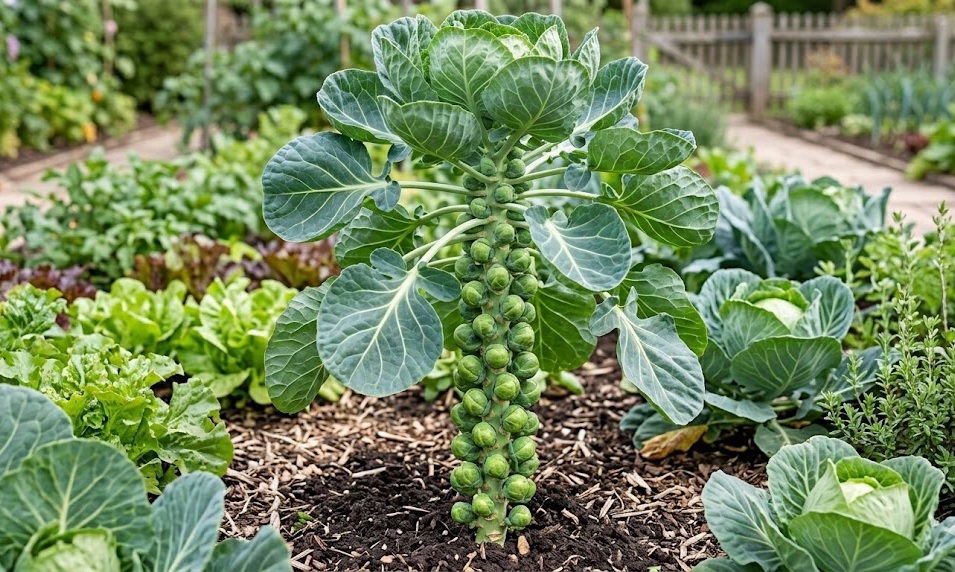
The physical structure of the plant changes as it enters the winter phase, with the large outer leaves often drooping or turning yellow as the plant focuses on survival. You should continue to monitor the stalks for stability, as winter winds and heavy snow can place a significant amount of stress on the tall, top-heavy plants. Providing some form of windbreak or ensuring that your staking system is secure will help prevent the plants from lodging in the frozen soil. A well-prepared winter garden is a testament to the foresight and dedication of the professional grower.
If you live in a region with extremely harsh winters where temperatures regularly drop well below minus ten degrees Celsius, you may need to provide additional protection. Using heavy-duty row covers or creating a temporary low tunnel can help moderate the temperature fluctuations and protect the sprouts from biting winds. These interventions can keep the crop in good condition for several weeks longer than if they were left completely exposed to the elements. Mastering these winter care techniques ensures that your hard work during the spring and summer is fully realized in a spectacular late-season harvest.
Maximizing cold tolerance through variety selection
Not all Brussels sprouts are created equal when it comes to their ability to withstand a truly harsh winter environment. You should look for “late-season” or “overwintering” varieties that have been specifically developed to hold their quality for months in the cold. These types typically have thicker, darker leaves and produce tighter, denser buttons that are less susceptible to water penetration and rot. Researching the specific cold-hardiness ratings of different cultivars allows you to choose the best genetics for your local climate.
More articles on this topic
Some traditional heirloom varieties have a natural resilience that has been honed over centuries of cultivation in cool, maritime climates. These plants often grow more slowly, which leads to a more robust cellular structure that can handle the expansion and contraction of freezing water. You may find that these older varieties provide a more reliable harvest in unpredictable winters than some of the faster-growing modern hybrids. Experimenting with a few different types each year will help you identify the champions of your specific garden microclimate.
The timing of your planting also plays a role in how well the plants will handle the onset of winter weather. You want the plants to be fully mature and the sprouts to be well-formed before the ground freezes solid for the first time. A plant that is still actively growing and succulent is much more likely to suffer from frost damage than one that has had time to “harden off” naturally. Finding the perfect sowing date ensures that your crop is in the prime of its life when the cold weather arrives to sweeten the harvest.
In addition to genetic factors, the nutritional status of the plant can influence its ability to survive and thrive in the cold. Providing adequate potassium late in the season helps strengthen cell walls and improves the plant’s overall metabolic efficiency during the dormant period. You should avoid late applications of high-nitrogen fertilizers, as this encourages soft, new growth that is very easily damaged by frost. A balanced approach to nutrition throughout the year is the best way to prepare your crop for the challenges of the winter months.
Protective measures for the deepest part of winter
When a severe cold snap is predicted, you should take proactive steps to shield your developing sprouts from the worst of the weather. Heavyweight horticultural fleece or frost blankets can be draped over the plants to create a pocket of slightly warmer air around the stalks. You must secure these covers firmly to the ground to prevent them from blowing away or rubbing against the delicate sprouts during winter storms. This simple barrier can make the difference between a successful harvest and sprouts that are damaged by freezer burn.
More articles on this topic
Mulching the base of the plants with a thick layer of straw or shredded leaves is another excellent way to protect the root zone from deep freezing. This insulation helps keep the soil temperature more stable and prevents the “heaving” that can happen when the ground freezes and thaws repeatedly. Protecting the roots ensures that the plant remains anchored and can continue to draw up small amounts of moisture on warmer days. Organic mulch also improves the soil health as it breaks down, providing a head start for the following spring.
In very snowy regions, the weight of the snow itself can be a major threat to the tall stalks of your Brussels sprouts. You should gently brush heavy accumulations of snow off the leaves and stems after a storm to prevent them from snapping under the pressure. However, a light layer of snow can actually act as a natural insulator, protecting the sprouts from the drying effects of cold winds. Learning to work with the weather and knowing when to intervene is part of the professional expertise required for winter gardening.
If you have a greenhouse or a high tunnel, you can extend your harvest season even further by growing your crop under cover. These structures provide a significantly more stable environment that protects the plants from wind, rain, and the most extreme temperature drops. While the plants still experience the cold, they are spared the physical damage that often comes with an unprotected winter in the open field. For the dedicated grower, these structures are a worthwhile investment for year-round production of high-quality vegetables.
Harvesting techniques for frozen conditions
Harvesting your sprouts in the winter requires a slightly different approach than the early autumn picks. You should wait for a day when the temperature is above freezing, if possible, to avoid damaging the plant tissue when you snap the buttons off. If you must harvest while the sprouts are frozen, be extremely gentle and use a sharp knife to make clean cuts rather than twisting the buttons. Frozen sprouts are much more brittle and can easily shatter or cause the main stem to crack if handled roughly.
The flavor of winter-harvested sprouts is often so superior that many gourmets refuse to eat them at any other time of year. To capture this peak quality, you should pick only what you need for the next day or two, leaving the rest on the stalk to stay fresh. The plant acts as a natural “refrigerator,” keeping the sprouts in perfect condition far longer than any storage method you could use indoors. This “harvest-as-needed” strategy is one of the greatest benefits of a successful overwintering program.
As you move up the stalk during your winter harvests, you may find that the sprouts become slightly smaller but even more intense in flavor. You can continue picking well into the new year, often right up until the point where the plant begins to show signs of new growth in the spring. Once the central growing tip starts to expand, the quality of the remaining sprouts will quickly decline as the plant prepares to flower. Knowing exactly when to take the final harvest is a skill that comes with years of experience and observation.
After a particularly cold night, you may notice that the outer leaves of the sprouts appear dark or water-soaked once they thaw. This is often just superficial damage, and peeling away the outermost layer will reveal a perfectly healthy, bright green center. You should not be discouraged by a bit of winter weathering on the outside of your produce, as the interior is often pristine. A professional grower knows how to look past the surface to find the high-quality food that lies beneath.
Preparing for the spring transition
As the days begin to lengthen and the soil starts to warm, your overwintered plants will undergo a significant metabolic shift. You will notice the emergence of new, light green growth at the top of the stalk, signaling that the plant’s life cycle is moving toward its reproductive phase. At this point, any remaining sprouts should be harvested promptly before they become tough or start to “blow” (open up). The transition from winter dormant to spring active happens quickly, and you must be ready to respond to the change.
If you are interested in seed saving, you can leave a few of your strongest and healthiest plants in the ground to flower in the spring. Brussels sprouts are biennials, meaning they only produce flowers and seeds in their second year of growth after a period of cold vernalization. The tall, yellow flower spikes are not only beautiful but also provide an early source of nectar for pollinators in the spring garden. Saving your own seeds allows you to develop a strain that is perfectly adapted to your specific winter conditions over several generations.
Once the final harvest is complete and you have decided whether or not to save seeds, it is time to clear the beds for the new season. You should remove the massive, woody stalks, which can be quite difficult to compost if they are not shredded first. These stalks are rich in carbon and make an excellent addition to the compost pile when properly prepared. Clearing the garden promptly prevents the buildup of pests that might be waiting to jump onto your new spring plantings.
Reflecting on the success of your overwintering strategy is the final step in the yearly cycle of the expert grower. Take note of which protective measures were most effective and which varieties stood up best to the specific challenges of the season. This knowledge is the most valuable tool in your gardening arsenal, allowing you to refine your techniques and improve your results every single year. A successful winter harvest is the ultimate reward for a gardener who understands and respects the power of the seasons.