
Preparing for dormancy
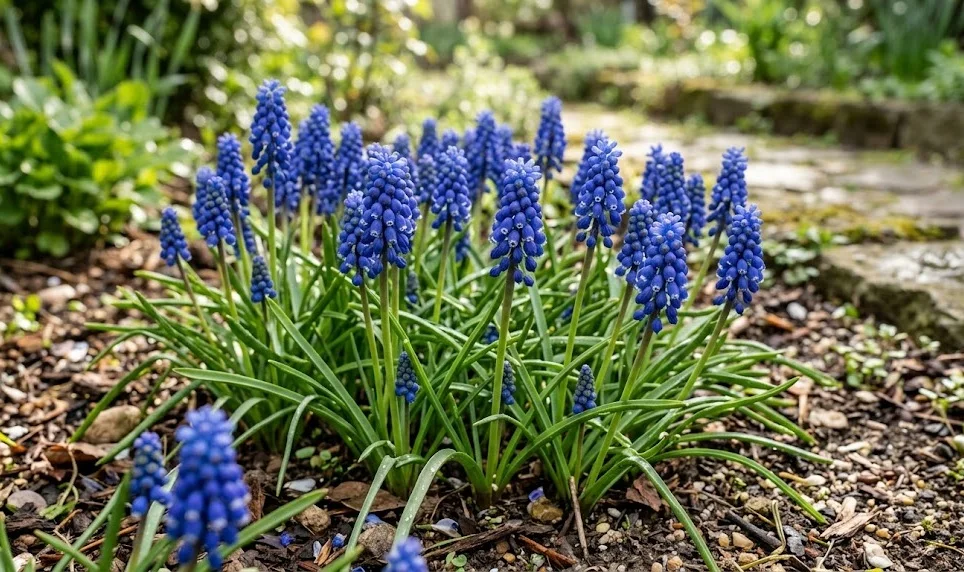
The process of overwintering Armenian grape hyacinths begins long before the first frost arrives in the autumn. You should start by allowing the plant to complete its natural life cycle in the late spring and early summer without interruption. This means leaving the foliage intact until it has completely yellowed and withered, which signals that the bulb has successfully stored all the energy it needs for the winter. This period of quiet preparation is essential for the bulb’s survival during the coldest months of the year.
As the summer progresses and the bulbs remain dormant beneath the soil, you should ensure that the area remains relatively dry. Excessive moisture during this time can be more dangerous than the cold itself, as it can lead to rot before the bulb even enters its winter state. You might want to clear away any thick, moisture-retentive groundcovers that could trap dampness against the soil surface. Maintaining a clean and well-drained site during the summer is the first step in a successful overwintering strategy.
In the early autumn, you should take the time to inspect the planting area and remove any weeds that might have taken hold during the summer. These weeds can compete for nutrients once the bulbs begin their autumn root growth and can also harbor pests over the winter. If you plan to move or divide your bulbs, the early fall is an excellent time to do so before the ground begins to harden. A tidy and well-organized garden bed is much easier to manage once the winter weather sets in.
Finally, consider the nutritional status of your soil as the plants head into the winter months. A light application of a potassium-rich fertilizer in the late autumn can help strengthen the cell walls of the bulbs and improve their cold tolerance. You should avoid high-nitrogen feeds at this time, as they can encourage late-season growth that is easily damaged by frost. Following these preparatory steps ensures that your bulbs are in the best possible condition to face the challenges of the coming season.
Protective mulching methods
Providing a protective layer of mulch is one of the most effective ways to insulate your bulbs from the extreme temperature fluctuations of winter. You should wait until the ground has chilled, or even slightly frozen, before applying a thick layer of organic mulch. Applying it too early can trap heat in the soil and might encourage rodents to nest near your bulbs or cause the shoots to emerge prematurely. A layer of five to ten centimeters of shredded bark, pine needles, or straw is usually sufficient for most climates.
More articles on this topic
The primary goal of winter mulch is not to keep the ground warm, but to keep it at a consistent temperature. This prevents the cycle of freezing and thawing, which can lead to “frost heaving” where the bulbs are pushed out of the soil. You should ensure that the mulch is spread evenly across the entire planting area to provide uniform protection. In regions with very harsh winters, you might even consider using evergreen boughs to provide an additional layer of insulation and wind protection.
You must be careful to choose mulch materials that do not become a soggy, matted mess during wet winter weather. Materials like whole leaves can sometimes pack down and prevent air from reaching the soil, which can encourage fungal issues. Shredded or partially decomposed materials are often a better choice because they allow for better air exchange while still providing excellent insulation. A professional gardener understands that the quality of the mulch is just as important as the quantity used.
As the winter draws to a close, you should be prepared to gradually remove the mulch to allow the soil to warm up. You should do this in stages, taking away a little bit at a time as you see the first signs of green growth appearing. Removing the mulch all at once can expose the tender shoots to late-season frosts that might damage the tips of the leaves. This careful transition from winter protection to spring growth is a delicate task that requires patience and observation.
Winter drainage and bulb safety
While these bulbs are incredibly cold-hardy, they are very susceptible to damage from poor drainage during the winter months. You should ensure that your garden beds are designed to move water away from the bulb zone, especially during periods of snowmelt or heavy winter rain. Bulbs that sit in ice-cold water are at a very high risk of developing rot or simply suffocating from a lack of oxygen in the soil. If you have a naturally damp garden, planting your hyacinths in raised beds or on sloped ground is a wise precaution.
More articles on this topic
Ice accumulation on the surface of the soil can also be a concern in certain climates. You should avoid piling snow from shoveled walkways onto your bulb beds, as this can lead to a very thick and heavy ice crust as it melts and refreezes. This weight can compress the soil and make it more difficult for the shoots to emerge in the spring. Keeping your bulb areas relatively clear of artificial snow piles helps maintain a natural and healthy environment for the dormant plants.
If you live in an area where winter temperatures frequently drop well below minus twenty degrees Celsius, you might need to take extra precautions. For bulbs planted in containers, the risk of freezing solid is much higher than for those in the ground. You should move your pots to a sheltered location, such as an unheated garage or a cold frame, to provide a buffer against the extreme cold. Alternatively, you can wrap the pots in burlap or bubble wrap to add an extra layer of insulation to the root zone.
Monitoring the moisture levels in your soil even during the winter can be beneficial if you experience a particularly dry and snow-free season. If the ground is not frozen, a very light watering during a winter dry spell can prevent the bulbs from becoming overly desiccated. However, this is rarely necessary in most temperate climates where natural precipitation is adequate. Maintaining a vigilant but hands-off approach is generally the best way to ensure the safety of your bulbs during the winter.
Spring awakening and recovery
The moment the first green tips break through the soil surface is one of the most exciting times in the gardener’s year. You should be ready to support this “awakening” by clearing away any remaining winter debris and thinning out any heavy mulch. Providing the young shoots with immediate access to light and air ensures they grow strong and straight. This is also the time to keep a close eye on the weather forecast for any late-season cold snaps that might require temporary protection.
If a severe frost is predicted after the shoots have emerged, you can cover them overnight with a lightweight frost blanket or even an upside-down bucket. You should remove these covers as soon as the temperatures rise above freezing the next morning to prevent heat buildup. These early-season interventions can protect the developing flower buds and ensure a perfect display. Professional care during this transition period is what makes the difference between a good garden and a great one.
As the plants begin to grow rapidly, you can start your spring watering and fertilization routine as discussed in previous chapters. The energy stored in the bulb over the winter is now being converted into lush foliage and vibrant flowers. You should take this opportunity to assess how well the bulbs overwintered and make notes for future improvements. If you see areas where the bulbs failed to emerge, you can investigate the cause and adjust your winter protection strategy for next year.
The recovery from winter dormancy is a natural process that the Armenian grape hyacinth has mastered over thousands of years. Your role as a gardener is to facilitate this process by providing a stable and supportive environment. By following these professional overwintering practices, you ensure that your garden remains a reliable source of beauty and joy every spring. A successful overwintering is a testament to your skill and dedication to the craft of horticulture.