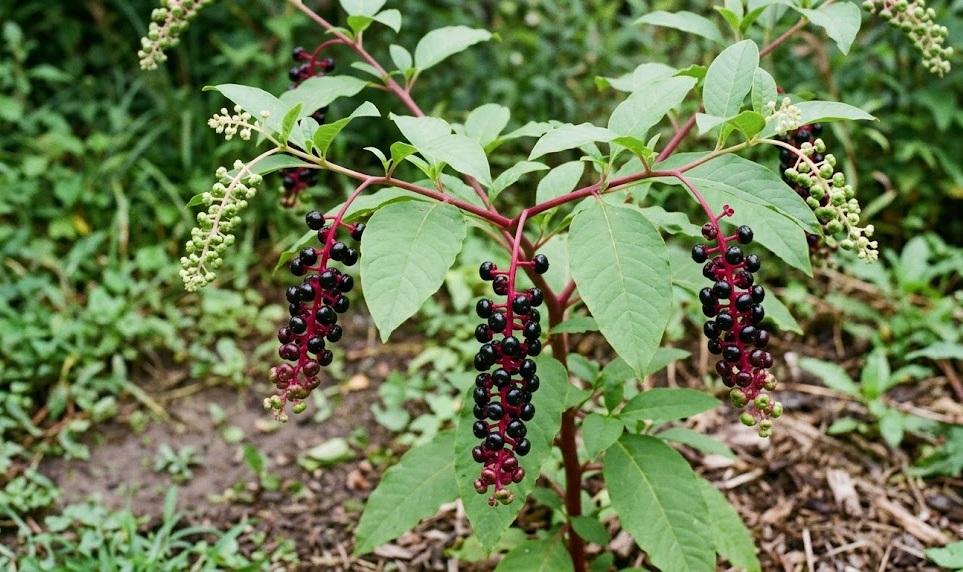

Preparing the American pokeweed for the winter months is a straightforward but essential part of its annual care cycle in temperate climates. This plant is a true perennial, meaning its above-ground growth dies back completely after the first hard frost while the root system remains alive and dormant. You must understand the natural rhythm of this dormancy period to ensure the plant returns with its characteristic vigor in the following spring. Professional overwintering techniques focus on protecting the large taproot and maintaining the health of the soil throughout the coldest part of the year.
As the temperatures begin to drop in late autumn, you will notice the vibrant green leaves of the pokeweed starting to fade or turn a deep shade of purple. This is a natural signal that the plant is moving its energy and nutrients down into the roots for safekeeping during the winter. You should resist the urge to cut the plant back too early, as these fading leaves are still providing valuable resources to the root system. Waiting until the foliage has completely died back ensures that the plant is fully prepared for its period of rest and regeneration.
Once the first significant frost has occurred, the stems of the pokeweed will turn brown and become quite brittle, indicating that the top growth is no longer active. At this point, you can safely use a pair of sharp pruning shears to cut the stalks down to about two or three inches above the soil level. This helps to keep your garden looking tidy and removes potential hiding spots for pests that might want to spend the winter in the debris. Removing the old stalks also makes it much easier to apply protective mulch and see the new shoots when they emerge in the spring.
The winter survival of the American pokeweed depends entirely on the health and protection of its massive, fleshy taproot located beneath the surface. While the plant is quite cold-hardy, extreme fluctuations in soil temperature or excessive winter moisture can sometimes cause issues for the dormant roots. By taking a few professional steps to insulate and protect the site, you can ensure that your pokeweed survives even the harshest winter conditions. Your goal is to create a stable and protected environment where the plant can wait out the cold in total safety.
Root protection and insulation
The primary concern during the winter months is protecting the crown and the upper part of the taproot from the damaging effects of deep freezing and thawing. In many regions, the natural cycle of freezing and thawing can cause the soil to “heave,” which can expose the sensitive parts of the root to the cold air. You can prevent this by applying a generous layer of organic mulch, such as shredded leaves, straw, or wood chips, over the planting site. This insulating layer acts as a blanket, keeping the soil temperature more consistent and protecting the life that lies beneath the surface.
More articles on this topic
A mulch layer of about three to four inches is usually sufficient to provide the necessary protection for most temperate garden environments. You should spread the mulch in a wide circle around the area where the plant was growing to cover the entire reach of the root system. This not only protects the plant but also helps to suppress any early spring weeds that might try to get a head start in the bare soil. As the mulch slowly breaks down over the winter, it will also add valuable organic matter to the soil, further benefiting the plant.
In addition to temperature regulation, the mulch layer also helps to maintain a consistent level of moisture in the soil throughout the winter. While the plant is dormant and doesn’t need much water, complete desiccation of the roots can still be harmful, especially during a dry winter with little snow cover. The mulch prevents the winter winds from pulling all the moisture out of the ground, ensuring that the roots stay hydrated and healthy. This professional attention to soil stability is one of the secrets to growing large and impressive perennials like the pokeweed.
If you live in an area with particularly severe winters, you might consider adding an extra layer of protection such as evergreen boughs or a specialized garden fabric. These materials can provide additional insulation and help to trap snow, which is one of nature’s best insulators for dormant garden plants. You should remove these extra layers in the early spring as soon as the ground begins to thaw and the danger of extreme cold has passed. Being mindful of the local climate allows you to tailor your overwintering strategy for the best possible professional results.
Soil management and winter drainage
Proper drainage is perhaps even more important during the winter than it is during the active growing season for the American pokeweed. If the soil remains waterlogged or saturated with cold water for long periods, the large, fleshy roots can easily begin to rot. You should ensure that the planting site is located in a spot that does not collect standing water during the winter thaws or heavy rains. If you notice water pooling in the area, you might need to consider creating a small drainage trench or adding organic matter to improve the soil structure.
More articles on this topic
Maintaining a healthy soil structure during the winter involves avoiding any unnecessary compaction of the earth around the dormant plant. You should avoid walking on the garden beds or placing heavy objects over the root zone when the ground is wet or frozen. Compacting the soil reduces the amount of oxygen available to the roots and can make it much harder for the new shoots to break through in the spring. A loose and airy soil environment is essential for the long-term health and vigor of any large perennial species.
In some cases, you might want to test the soil pH and nutrient levels in the late autumn before the ground freezes solid. This is a great time to apply slow-release organic amendments like bone meal or greensand that will break down slowly over the winter months. These nutrients will be ready and waiting for the plant as soon as the roots wake up and start searching for food in the early spring. This proactive approach to soil fertility is part of a professional management plan that looks ahead to the next growing season.
Keeping the area around the dormant pokeweed free of invasive weeds is also an important part of your winter garden maintenance routine. Some winter-hardy weeds can continue to grow and establish deep roots even while your garden plants are resting, creating competition for the coming spring. By maintaining a clean and mulched site, you ensure that the pokeweed has a clear path to the sun when the weather warms up. A little bit of work during the quiet months of winter goes a long way toward ensuring a successful and beautiful spring garden.
Spring revival and initial growth
As the days begin to lengthen and the soil temperature rises, you will start to see the first signs of the American pokeweed’s return. The new shoots often emerge as small, tightly curled, reddish-purple buds pushing through the mulch near the old stem locations. This is an exciting time for any gardener, marking the official end of the overwintering period and the start of a new growth cycle. You should carefully monitor the area and be prepared to provide a little extra care as the young shoots begin their rapid ascent.
Once you see the new growth, you can gently pull back some of the mulch to allow the sun to warm the soil directly around the base of the plant. This extra warmth can help speed up the growth process and get the plant off to a strong start for the season. You should be careful not to damage the tender new shoots, as they are quite succulent and can be easily broken if handled roughly. This transition period is a critical time for the plant as it shifts from dormancy back into its highly active growing phase.
If a late spring frost is predicted after the new shoots have emerged, you should be prepared to provide some temporary protection. Covering the young plants with a bucket or a piece of frost cloth overnight can prevent the tender leaves from being damaged by the cold. While a mature pokeweed is very hardy, these early shoots are more vulnerable to sudden temperature drops before they have hardened off. Taking this professional precaution ensures that your plant’s early momentum is not lost to a surprise cold snap.
This is also the perfect time to apply a fresh layer of compost or an organic starter fertilizer to provide the energy needed for the plant’s massive spring expansion. The combination of warming soil, increasing light, and available nutrients will cause the pokeweed to grow at an incredible rate over the next few weeks. You should feel a great sense of satisfaction as you watch the results of your successful overwintering efforts come to life in the garden. Your commitment to professional care throughout the entire year is what makes such a spectacular botanical display possible.