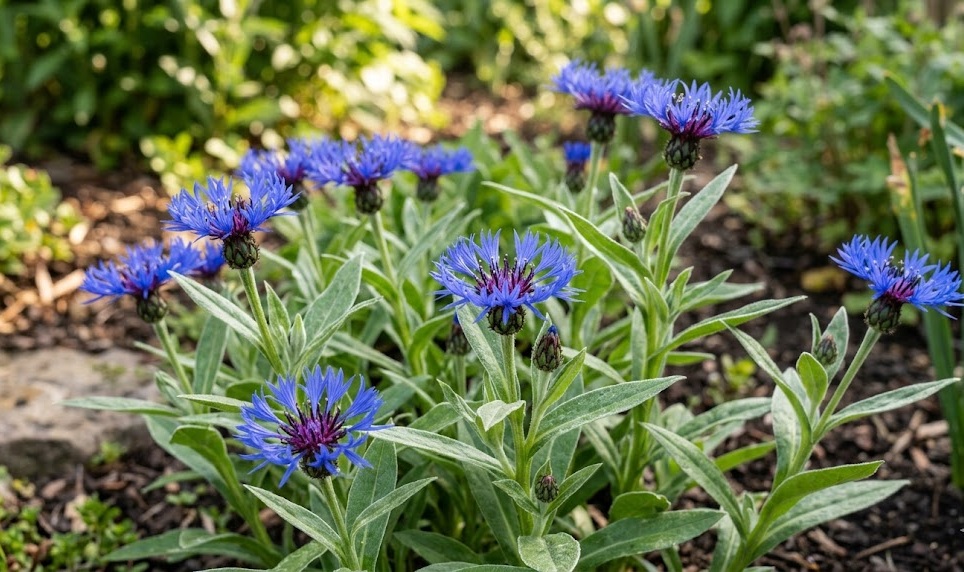

The mountain cornflower is a remarkably hardy perennial, capable of surviving significant freezing temperatures across many temperate zones. However, providing the right conditions for dormancy is essential to ensure a vigorous return in the following spring season. Successful overwintering involves a combination of structural protection, moisture management, and strategic pruning. This guide outlines the professional steps required to prepare your plants for the coldest months of the year and minimize winter-related losses.
As the daylight hours shorten and temperatures begin to drop, the plant naturally enters a state of dormancy where its growth slows significantly. The visible parts of the plant may begin to yellow or turn brown, which is a signal that it is moving its energy into the underground rhizomes. Professional gardeners avoid the temptation to over-feed or over-water during this transition, as this can encourage late-season growth that is easily damaged by frost. The goal is to allow the plant to harden off naturally in preparation for the upcoming deep freeze.
Soil drainage becomes even more critical during the winter when snowmelt and heavy rains can saturate the ground for long periods. If the soil remains waterlogged while the temperatures are low, the crown of the plant is at high risk of rotting before the spring arrives. Ensure that any autumn mulch does not trap excessive moisture directly against the stems of the plant. A well-drained site is the single most important factor in the survival of this perennial through a particularly harsh or wet winter.
While the plant is dormant, it still requires a very small amount of moisture to prevent the roots from completely desiccating in frozen soil. In areas with little snowfall, a light watering during a mid-winter thaw can be beneficial if the ground is not currently frozen. However, this is rarely necessary in most temperate climates where natural precipitation provides sufficient moisture. The key is to find the middle ground between a bone-dry soil and one that is dangerously saturated.
Winter hardiness and site considerations
The mountain cornflower is typically rated for hardiness zones three through eight, making it one of the more resilient members of the Centaurea genus. In these zones, the plant can withstand temperatures well below zero degrees Fahrenheit without any significant damage to its root system. If you are gardening at the edge of its hardiness range, selecting a sheltered spot can provide a critical advantage during extreme weather. North-facing sites or areas prone to heavy frost pockets should be avoided for the most sensitive varieties.
More articles on this topic
Snow cover is actually one of the best natural insulators for perennials, providing a consistent temperature buffer against the bitter winds and fluctuating air temperatures. In regions where a steady snowpack is common, the plants are often better protected than in areas that experience cycles of freezing and thawing. This “heaving” process, where the soil repeatedly expands and contracts, can actually push the roots out of the ground. Monitoring your garden after a significant thaw allows you to gently firm any dislodged plants back into the soil.
Wind chill can be just as damaging as cold temperatures, as it speeds up the rate of moisture loss from any evergreen or semi-evergreen foliage. If your garden is particularly exposed, a temporary windbreak made of burlap or evergreen branches can provide some relief. This is especially important for young plants that have not yet developed a substantial root mass to anchor themselves and store energy. A little bit of foresight in placement can save a lot of work in protective measures later on.
The specific micro-climate of your garden bed, such as its proximity to a heated building or a stone wall, can also influence how the plant overwinter. These features can hold residual heat and create a slightly warmer environment that helps the plant survive unseasonable cold snaps. Understanding these subtle temperature variations allows you to place your most valued specimens in the safest possible locations. Professional landscape design always takes these winter factors into account when selecting and placing perennial species.
Protective mulching and crown care
Applying a fresh layer of mulch in late autumn is a standard practice for protecting the crown of the mountain cornflower from extreme cold. This layer should be about two to three inches thick and consist of airy, organic materials like straw, shredded leaves, or evergreen boughs. Avoid using heavy, matted materials that can prevent air circulation and hold too much moisture against the plant’s base. The mulch acts as a thermal blanket, slowing the rate at which the soil freezes and thaws throughout the season.
More articles on this topic
The timing of mulch application is critical; it should be done after the first few hard frosts when the ground has begun to cool down. If applied too early, the mulch can trap heat and moisture, encouraging fungal growth or preventing the plant from entering dormancy properly. It can also provide a tempting nesting site for rodents that might feed on the plant’s roots during the winter. Waiting until the plant is fully dormant ensures that the mulch serves its intended purpose without causing secondary issues.
In the spring, it is equally important to remove the protective mulch at the right time to allow the new shoots to emerge. Once the danger of severe, prolonged freezes has passed and the first signs of green are visible, gradually pull the mulch away from the crown. If left in place too long, the mulch can cause the new growth to become blanched and weak as it struggles to find the light. A gradual removal process allows the plant to adjust to the increasing light and fluctuating spring temperatures.
For especially prized specimens or in areas with extremely erratic winter weather, some gardeners use specialized plant covers or “cloches.” These provide an extra layer of protection against freezing rain and ice, which can be particularly damaging to the dormant buds. However, these covers must be vented on sunny days to prevent heat from building up and prematurely waking the plant. For most situations, a simple layer of organic mulch is more than sufficient for this hardy species.
Late season pruning and cleanup
Pruning in late autumn is a subject of some debate among professional gardeners, with different schools of thought regarding its benefits. Some prefer to cut the foliage back to about two inches above the ground once it has turned brown and died back. This removes potential hiding spots for pests and creates a neat, tidy appearance for the winter garden. It also makes it easier to apply mulch directly to the crown of the plant without having to work around old stems.
Others argue for leaving the foliage intact until the spring, as the dead stems can trap snow and provide a small amount of extra insulation. The dried seed heads can also provide a valuable food source for birds during the lean winter months and add structural interest to a dormant landscape. If you choose this “naturalistic” approach, you must be vigilant about removing the material in early spring before new growth begins. Old, decaying foliage can harbor fungal spores that may infect the fresh spring shoots if not cleared away in time.
If your plants have shown signs of disease, such as powdery mildew or rust, during the growing season, late-season pruning is mandatory. All affected material should be removed and disposed of far away from the garden to prevent the disease from overwintering. This intervention is key to ensuring that the next year’s growth starts from a clean and healthy foundation. Sanitation is one of the most effective tools for managing the long-term health of any perennial border.
Regardless of when you prune, always use sharp, clean shears to ensure a clean cut that will heal quickly and not invite infection. Avoid cutting into the living tissue of the crown itself, as this can cause permanent damage and provide an entry point for rot. The goal of late-season cleanup is to prepare the plant for rest while maintaining a healthy environment for the future. A well-maintained garden in the winter is a sign of a professional and dedicated horticulturist.
Early spring awakening and recovery
As the soil begins to warm and the days lengthen, the mountain cornflower will be one of the first perennials to show signs of life. The first purple or green shoots emerging from the base are an exciting sign that the plant has successfully navigated the winter. This is the ideal time to apply a light feeding of balanced organic fertilizer to support the rapid spring growth. Be careful not to step on the surrounding soil, as damp spring ground is easily compacted, which can hinder root development.
If the winter has been particularly harsh, some of the outer portions of the clump may have died back, leaving a sparse appearance. This is a natural part of the plant’s life cycle and provides a perfect opportunity for division and rejuvenation. By lifting the plant and removing any dead or woody sections, you can encourage the remaining healthy tissue to fill in the gaps. This simple act of spring maintenance ensures that the plant remains vigorous and productive for the entire season.
Watch out for late spring frosts that can occasionally damage the tender new foliage as it emerges from the ground. While the mountain cornflower is tough, a sudden deep freeze after a period of warm weather can cause the leaf edges to turn black and shrivel. If a frost is predicted, a temporary covering of light fabric or a bucket can protect the new growth for the night. Most plants will quickly recover from minor frost damage, but protection can help preserve the aesthetic quality of the early foliage.
Finally, take some time in the early spring to evaluate the success of your overwintering strategies and make notes for the following year. Consider which locations in your garden performed the best and whether the mulch you used provided adequate protection. This process of continuous learning and observation is what allows a gardener to refine their techniques over time. Every winter is a lesson that helps us become more effective stewards of our outdoor spaces.