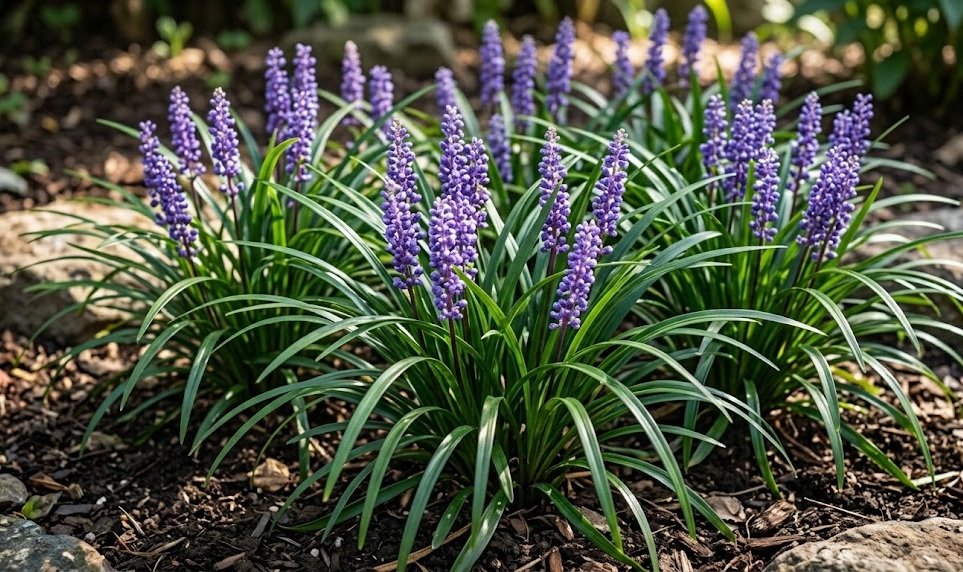

Preparing lilyturf for the winter months is an essential task for ensuring that the plants return with vigor in the following spring. While this species is remarkably cold-hardy, the transition from the growing season to dormancy requires careful management of moisture and protection. In professional landscaping, the goal is to maintain the integrity of the root system while minimizing damage to the evergreen foliage. A well-executed overwintering strategy will keep your garden looking structured even during the harshest weather conditions.
The timing of your winter preparations should coincide with the first hard frost of the season, which signals the plant to slow its metabolism. This is the period when the plant shifts its energy from leaf production to root stabilization and carbohydrate storage. Understanding this internal shift allows the gardener to provide the right type of support at the right time. Rushing the process can sometimes interfere with the plant’s natural acclimation to the dropping temperatures.
Winter moisture management is often more important than temperature control for the survival of perennials like lilyturf. While the plant is dormant, its roots still require a small amount of hydration to prevent them from drying out completely. However, excessive water in cold, heavy soil can lead to rot, which is a common cause of winter plant loss. Finding the balance between these two extremes is the key to a successful overwintering program.
In many regions, the foliage of the lilyturf will remain green throughout the winter, providing valuable structure and color to the landscape. Protecting this foliage from the drying effects of winter winds and ice is a priority for high-end garden maintenance. When the spring finally arrives, the state of the overwintered leaves will determine how much work is required to refresh the plants. With the right care, your lilyturf will emerge from its winter sleep ready to grow.
Autumn preparations
As the days grow shorter and the temperatures begin to drop, it is time to start the gradual process of winter preparation. The first step is to reduce the amount of water you are providing to the plants, as their demand for moisture decreases. This reduction in water helps the plant to harden off its tissues and prepare for the freezing temperatures ahead. However, you should never allow the soil to become bone-dry during this critical transition period.
More articles on this topic
Cleaning the area around the base of the lilyturf is another important autumn task for the professional gardener. Remove any fallen leaves from overhanging trees that might be smothering the clumps or trapping too much moisture. These leaves can harbor pests and fungal spores that will wait for the warmer spring weather to become active. A clean garden bed is much less likely to suffer from disease issues during the long, damp winter months.
If you have been using a regular fertilization program, you should stop all feeding at least six weeks before the expected first frost. Stimulating new growth late in the season is a mistake, as this tender foliage will be the first to die when the cold hits. You want the plant to focus on strengthening its existing structures rather than trying to expand during the autumn. Professional timing is everything when it comes to the seasonal cycles of perennial plants.
Finally, take this time to inspect the plants one last time for any signs of lingering pests or diseases that might need treatment. It is much easier to deal with a small scale infestation now than it will be in the middle of a winter storm. Healthy, stress-free plants are much better equipped to handle the challenges of a long winter than those already struggling. This final checkup is a proactive step that ensures your garden is in the best possible shape.
Winter protection methods
In colder climates, providing a physical layer of protection can help lilyturf survive extreme temperature fluctuations. A fresh layer of mulch is the most common and effective way to insulate the root system from the freezing ground. Aim for a depth of about three inches, making sure to cover the entire root zone without burying the central crown. This blanket of organic matter keeps the soil temperature more consistent and prevents the “heaving” caused by freeze-thaw cycles.
More articles on this topic
For areas that experience heavy snowfall or ice, you may want to provide some protection for the evergreen foliage itself. Evergreen boughs or a light covering of straw can help shield the leaves from the weight of the snow and the burn of the ice. This is particularly important for young plants that have not yet established a large, protective mass of their own. These natural materials allow for air circulation while still providing a significant thermal benefit to the plants.
Windbreaks are another useful professional tool for protecting lilyturf in exposed locations like coastal areas or open fields. Even a simple barrier made of burlap or a low snow fence can significantly reduce the drying effect of cold winter winds. This prevents the leaf tips from turning brown and keeps the foliage looking much better by the time spring arrives. Positioning these windbreaks strategically requires an understanding of the local prevailing wind patterns during the winter.
In container gardening, overwintering requires a different approach since the roots are much more exposed to the cold than they would be in the ground. Moving the containers to a sheltered spot against a house wall or into an unheated garage can provide the necessary protection. You can also wrap the pots in bubble wrap or burlap to add an extra layer of insulation to the root zone. Managing the moisture in these containers is critical, as they can dry out much faster than the garden soil.
Managing cold moisture
One of the greatest threats to lilyturf during the winter is the combination of cold temperatures and saturated soil. In many regions, winter is a season of heavy rain or melting snow, which can lead to standing water in the garden beds. If the soil does not drain well, the roots can quickly become waterlogged and begin to rot even while the plant is dormant. Professionals often monitor the drainage of their beds throughout the winter to identify and correct any problem areas.
If you notice water pooling around your plants after a storm, you may need to create temporary drainage channels to move the water away. Long-term solutions involve improving the soil structure with organic matter or installing permanent drainage pipes in the garden. Avoiding these soggy conditions is essential for preventing the fungal issues that can destroy a large planting of lilyturf. Healthy roots in the winter lead to healthy leaves in the spring.
On the flip side, a completely dry winter can be just as damaging as a wet one, especially in regions with little snowfall. If the ground is not frozen and there has been no rain for several weeks, you may need to provide a light watering. This is best done on a relatively warm day when the water has a chance to soak in before the temperature drops again at night. Hydrated roots are much more resistant to freezing than those that are stressed by drought.
Monitoring the moisture levels in the mulch layer is also a part of the professional winter care routine. If the mulch becomes too packed down and soggy, it can actually hold moisture against the crown of the plant, promoting rot. Occasionally fluffing the mulch with a hand rake can help improve air circulation and prevent this buildup of excessive moisture. This small attention to detail is what separates a professional landscape manager from a casual gardener.
Spring transition
As the temperatures begin to rise and the days get longer, the lilyturf will slowly start to wake up from its winter dormancy. This transition period is an exciting time in the garden, but it also requires a specific set of tasks to ensure a smooth restart. The first priority is to remove any protective coverings like evergreen boughs or straw that were used during the winter. This allows the sun to reach the soil and start the process of warming up the root zone.
Early spring is the time for the annual “haircut” that many professionals give to their lilyturf plantings. This involves cutting back the old, winter-damaged foliage to make room for the bright new growth that is about to emerge. Use sharp shears to cut the clumps back to about two or three inches above the ground, being careful not to damage the new shoots. This rejuvenation ensures that the plant looks its best throughout the coming growing season.
Once the old foliage has been removed, it is a great time to apply a fresh layer of compost or a balanced, slow-release fertilizer. This provides the nutrients necessary for the plant to produce a strong flush of new leaves after its long winter rest. Working this into the top layer of the soil also provides an opportunity to inspect the roots and crown for any issues. This “reset” is one of the most important maintenance tasks in the entire gardening calendar.
Finally, keep a close watch on the weather forecast as spring can often bring late frosts that might threaten the tender new growth. If a hard freeze is predicted after the plants have started to grow, you may need to temporarily cover them again. This extra bit of vigilance ensures that all your hard work over the winter was not in vain. With the spring transition complete, your lilyturf is ready to shine for another beautiful year in the landscape.