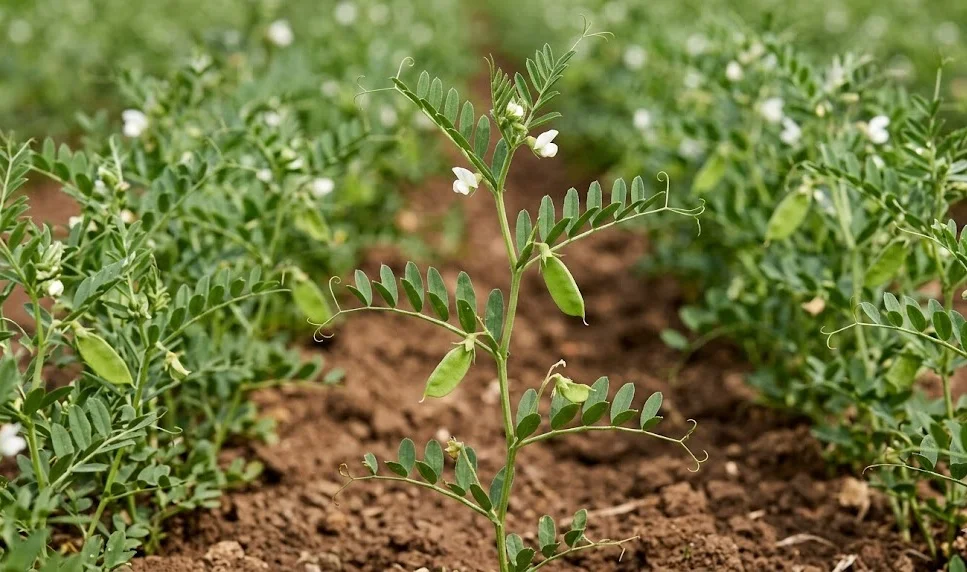

Successful overwintering of lentils allows growers to take advantage of the early spring moisture and achieve a much earlier harvest than traditional spring-sown crops. This practice requires the use of specialized winter-hardy varieties and a deep understanding of how the plant interacts with freezing temperatures. Professional growers who master this technique can significantly improve their water-use efficiency and spread their workload more evenly across the agricultural year. Protecting the young plants through the darkest months of the year is a testament to the skill and foresight of the modern agronomist.
Selecting winter-hardy varieties and sites
The foundation of a successful overwintering strategy is the selection of lentil varieties that have been specifically bred for cold tolerance. These winter types are genetically different from spring lentils, as they require a period of cold temperatures, known as vernalization, to eventually trigger flowering. They are designed to enter a semi-dormant state when the temperatures drop, protecting their vital tissues from ice crystal formation. Professional seed suppliers can provide detailed data on the survival rates of different varieties in various cold-hardiness zones.
Site selection is equally critical when planning to keep a crop in the ground through the winter months. You should choose fields with good drainage and some level of protection from the most severe winter winds, which can cause lethal dehydration of the plant tissues. Low-lying areas where cold air and water settle should be avoided, as they increase the risk of ice crusting and root rot during the mid-winter thaws. A site with a slight southern exposure can often provide enough extra warmth to make the difference in winter survival.
The history of the soil and the previous crop can also influence the success of overwintering lentils in a professional setting. Fields with a good amount of standing stubble from a previous cereal crop can provide a vital microclimate for the young lentil seedlings. The stubble helps to trap snow, which acts as a natural insulating blanket that keeps the soil temperature much more stable than bare earth. This “snow catch” is one of the most effective ways to protect the dormant plants from extreme sub-zero temperatures.
Finally, you must consider the local pest and disease pressure that might be active during the late autumn and early spring windows. Some soil-borne pathogens are more active in the cool, damp conditions of a winter field, requiring specialized seed treatments for protection. Scouting the field before the winter sets in allows you to address any early weed or insect problems that could weaken the plants before they face the cold. Professionalism in overwintering starts with a comprehensive risk assessment of the chosen site and the selected genetic material.
More articles on this topic
Planting timing for winter establishment
Timing the autumn planting of winter lentils is a delicate balance that determines how well the plants will survive the coming freezes. You want the seedlings to be well-established with a robust root system, but not so large that they become vulnerable to physical frost damage. Generally, the goal is to have the plants reach the two-to-three leaf stage before the first hard freeze puts them into dormancy. Professional growers often use historical weather data and soil temperature trends to pinpoint the ideal sowing window for their specific region.
If you plant too early, the lentils may grow too tall and develop lush vegetative tissues that are easily killed by the cold. This excessive growth also uses up the stored energy reserves that the plant will need to survive the winter and restart growth in the spring. Conversely, if you plant too late, the seeds may not germinate in time, or the seedlings will be too weak to withstand the physical stress of the freezing soil. Finding this “Goldilocks” window is one of the most important technical skills for a winter pulse producer.
Seeding depth for winter lentils is often slightly deeper than for spring-sown crops to provide extra protection for the growing point. Placing the seed four to six centimeters deep ensures that the crown of the plant remains shielded by the soil from the coldest air temperatures. This depth also helps the plant access the deeper moisture that is often available in the autumn, encouraging a more vertical and resilient root structure. Professional planting equipment must be calibrated precisely to maintain this depth consistently across the entire field.
Soil preparation for the autumn sowing should be minimal to preserve the structure and the protective residue of the previous crop. No-till or minimum-tillage systems are often preferred for winter lentils because they keep the soil covered and reduce the risk of erosion during winter storms. Maintaining the integrity of the soil surface helps to prevent the “heaving” that can occur during freeze-thaw cycles, which can physically pull the roots out of the ground. An expert approach to winter planting is always focused on creating the most stable and protected environment possible for the young seedlings.
More articles on this topic
Managing dormancy and winter protection
Once the temperatures drop consistently below freezing, the winter lentils enter a state of dormancy where their metabolic activity slows down to a minimum. During this time, the plant’s internal chemistry changes to increase the concentration of sugars and other compounds that act as a natural antifreeze. Your primary role during this phase is to monitor the field and ensure that the protective snow cover or residue remains in place. Avoid any mechanical activity on the field while it is frozen, as this can crush the dormant plants and damage the protective soil structure.
Snow management can be a proactive part of a professional overwintering strategy in regions with reliable snowfall. Using snow fences or strategic rows of taller vegetation can help distribute the snow evenly across the field and prevent it from blowing away. A consistent layer of just ten to fifteen centimeters of snow can keep the soil temperature near the surface significantly higher than the air temperature. This thermal buffer is often the key to the survival of the crop during the most extreme cold snaps of the year.
The “freeze-thaw” cycles that often occur in late winter are perhaps the greatest threat to the survival of the dormant lentil crop. When the surface soil thaws during the day and freezes again at night, it can create a mechanical action that pushes the plants upward, exposing the roots to the air. Maintaining a firm, well-structured soil with plenty of organic matter can help reduce the severity of this heaving process. Expert growers often walk their fields during these periods to assess the stability of the crop and look for signs of physical damage.
Water management during the winter months is focused on preventing the buildup of ice sheets on the surface of the field. If water from a mid-winter thaw cannot drain away, it can freeze into a solid sheet of ice that smothers the plants and cuts off their oxygen supply. Ensuring that your drainage ditches and tiles are clear before the winter begins is an essential part of a professional maintenance routine. Protecting the plants during their dormant phase requires a quiet but constant vigilance until the spring warmth arrives.
Spring recovery and early season care
As the soil warms up in the early spring, the winter lentils will begin to break their dormancy and start producing new green growth. This is a critical time for the crop, as the plants are using their remaining energy reserves to restart their metabolic processes. You should scout the field as soon as the snow melts to assess the survival rate and the general health of the standing plants. Professional growers use this information to decide whether to continue with the crop or if supplemental seeding might be required in thin areas.
Early spring nutrition is vital for helping the recovering plants build new biomass quickly and establish a competitive canopy. While lentils fix their own nitrogen, a small application of liquid fertilizer can provide a necessary boost during the cool spring weeks when biological activity in the soil is still low. This helps the plants grow through any early-season pest pressure and get a head start on the spring weeds. An expert fertilization plan for winter lentils is designed to support this rapid transition from dormancy to active growth.
Weed control in the spring is often easier with winter lentils because the established plants already have a head start on the newly germinating weed seeds. However, you must still be vigilant for winter annual weeds that may have established themselves alongside the lentils during the autumn. A timely application of an appropriate herbicide can clear the rows and allow the lentils to dominate the field early in the season. Professionalism in spring management involves taking advantage of the crop’s early vigor to minimize the need for later interventions.
The final reward for a successful overwintering program is a harvest that typically occurs two to three weeks earlier than for spring-sown varieties. This early harvest often avoids the peak summer heat and the most severe late-season insect pressures, resulting in higher seed quality. It also allows you to clear the field earlier, providing more time for soil preparation or the planting of a follow-up crop. Overwintering lentils is a sophisticated agricultural practice that, when done correctly, offers significant economic and operational advantages to the professional pulse producer.