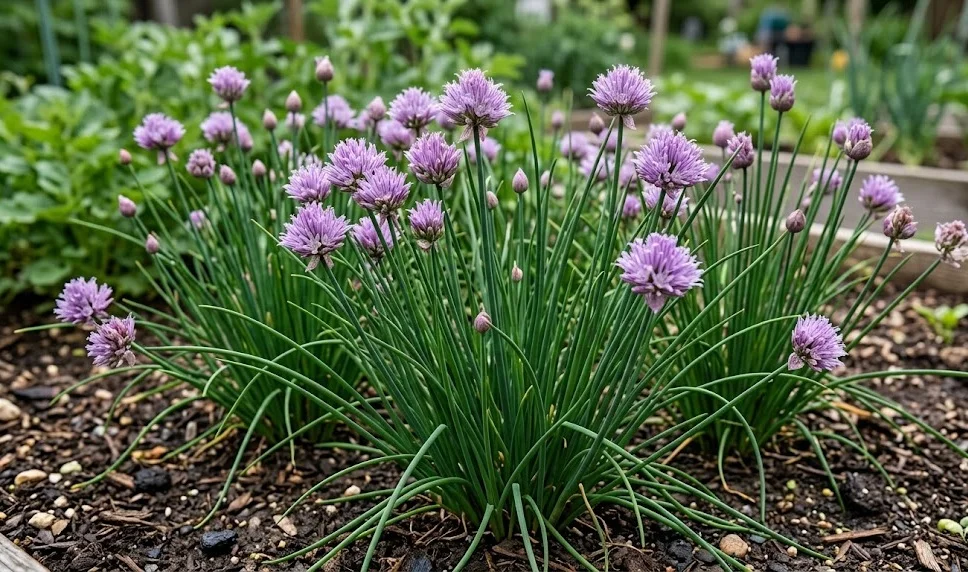

Preparing your chives for the cold winter months is a professional task that ensures your herb garden will return with vigor in the spring. While these plants are exceptionally hardy and can survive in very low temperatures, a bit of extra care can make a significant difference in their recovery. Understanding the dormancy cycle of the herb allows you to provide the right kind of protection at the right time. By following these steps, you can safeguard your plants against the harshest winter elements and enjoy an early start to the next growing season.
The natural response of chives to the shortening days and cooling temperatures of autumn is to enter a state of dormancy. During this time, the green stalks will eventually turn brown and die back, as the plant pulls its energy down into the protective bulbs underground. This is a vital part of the plant’s life cycle that allows it to survive freezing conditions that would kill the tender foliage. Your role as a gardener is to support this transition and protect the vital root system during its period of rest.
In regions with very mild winters, chives may remain green and continue to grow slowly throughout the year, but in most temperate climates, a full die-back is expected. You should not be alarmed when your vibrant green clump begins to look withered and spent as winter approaches. This is simply the plant’s way of hibernating, and it is a sign that its natural biological clock is working correctly. Providing a stable environment during this time is the key to a successful overwintering process.
Whether your plants are in the ground or in containers, the goal of overwintering is to prevent extreme temperature fluctuations that can damage the roots. While the cold itself is rarely the problem, the repeated cycle of freezing and thawing can cause the soil to heave and push the bulbs out of the ground. By following professional insulation and management techniques, you can keep the root zone at a more consistent temperature. Let’s explore the best ways to manage this transition for both indoor and outdoor herbs.
Indoor transition and winter harvesting
If you want to continue enjoying fresh chives throughout the winter, moving a portion of your garden indoors is an excellent professional strategy. You should select a healthy, smaller clump or divide a piece from a larger one in the late autumn before the ground freezes. Plant this section in a pot with fresh potting soil and ensure it has good drainage to prevent any moisture issues indoors. This simple transition allows you to have a kitchen-ready herb supply even when the garden is covered in snow.
More articles on this topic
The newly potted herb should be placed on a bright windowsill that receives at least six hours of light, ideally from a south-facing window. The transition from the cool outdoors to a heated home can be stressful, so try to keep the plant in a relatively cool room away from direct heat sources like radiators. You will notice that the growth might be a bit slower than in the summer, but it will still produce plenty of flavorful stalks for your winter cooking. Consistent light and moderate temperatures are the secrets to success for indoor overwintering.
Watering your indoor chives requires a more careful hand than during the peak growing season outside. Because the air inside a heated home can be very dry, the soil in the pot may dry out surprisingly quickly, even though the plant isn’t growing as fast. Check the moisture level with your finger every few days and provide water only when the top inch of soil feels dry. Avoid overwatering, as the reduced light levels mean the plant is using less water and is more prone to root issues in soggy soil.
Toward the end of the winter, your indoor plant might start to look a bit tired or stretched out as it longs for the returning spring sun. This is perfectly normal and can be managed by giving the plant a light trim to encourage some fresh growth. Once the outdoor temperatures begin to rise and the danger of hard frost has passed, you can move the pot back outside. This “indoor-outdoor” rotation is a professional way to maximize the productivity of your herb garden all year round.
Outdoor protection and insulation
For the plants staying in the garden, the primary goal is to provide a protective layer that buffers the root zone from the extreme cold. Once the foliage has completely died back and the ground has begun to cool, apply a two to three-inch layer of organic mulch over the top of the herb clump. Clean straw, shredded leaves, or evergreen branches are all excellent materials for this purpose as they provide insulation while still allowing for air exchange. This layer acts like a warm blanket for the bulbs resting beneath the surface.
More articles on this topic
In areas that experience heavy snow, the snow itself actually serves as a fantastic natural insulator for your garden plants. It traps air and keeps the soil temperature much more stable than if the ground were bare and exposed to the wind. You should avoid piling extra snow from your driveway or walkways onto the herb bed, as the weight can become too compacted and limit oxygen. However, a natural blanket of fluffy snow is one of the best things that can happen to your overwintering chives.
The timing of your mulch application is important; you want to wait until the ground has actually started to freeze before covering the plants. If you apply the mulch too early while the soil is still warm, you might accidentally encourage pests or rodents to make a winter home in the cozy environment. By waiting for the first few light frosts, you ensure that the plants have fully entered dormancy and the soil is ready for its protective layer. Professional gardening is often about timing your interventions to match the natural cycles of the earth.
If you are gardening in an extremely cold climate where temperatures drop far below freezing for extended periods, you might consider using a cold frame. This simple structure of wood and clear plastic or glass provides an extra layer of protection and can even keep the chives green for a few weeks longer into the season. It acts like a mini-greenhouse, capturing the sun’s warmth during the day and releasing it slowly at night. For the dedicated herb enthusiast, a cold frame is a professional tool that extends the growing season at both ends.
Dormancy management and watering
During the winter months, your chives are in a state of metabolic rest, but they are not completely inactive beneath the surface. The bulbs and roots still require a very small amount of moisture to stay alive and prevent the delicate tissues from drying out entirely. In most climates, the natural precipitation from rain or snow is more than enough to meet this minimal need. You generally do not need to intervene with manual watering for your outdoor garden beds during the winter.
However, if you are experiencing an unusually dry and windy winter with no snow cover, it is worth checking the soil occasionally. If the ground is not frozen and the soil feels exceptionally dry, a light watering on a relatively warm day can be beneficial. This prevents the roots from desiccating in the dry winter air, which can be a major cause of winter kill in perennial plants. Professionals know that “dry-out” is often more dangerous to dormant herbs than the actual cold temperatures themselves.
Avoid the temptation to fertilize your plants during the winter, as they have no way to use the nutrients while they are dormant. Any nitrogen applied during this time will likely just wash away into the groundwater before the plants can benefit from it in the spring. Furthermore, you don’t want to encourage any new, tender growth that would be immediately killed by the next frost. The goal of winter care is strictly maintenance and protection, not the promotion of new development.
Keep an eye on the herb bed for any signs of “frost heaving,” where the expansion and contraction of the soil pushes the bulbs toward the surface. If you see roots or bulbs exposed to the air, gently press them back into the soil and add a bit more mulch for protection. This can happen during late winter when the days are warm and the nights are still freezing. Catching this early prevents the roots from being damaged by exposure to the elements before they have a chance to wake up.
Spring recovery and first growth
As the days begin to lengthen and the sun’s angle gets higher in the sky, you will see the first signs of life returning to your herb garden. The small green tips of the chives are often among the very first things to emerge, even when there is still a chill in the air. This is the signal for you to begin the transition from winter protection to spring care. Start by gradually removing the heavy winter mulch to allow the sun to warm the soil around the base of the plants.
Once the danger of the most severe frosts has passed, you can clear away any remaining dead foliage from the previous year. Use a sharp pair of scissors to trim the old, brown stalks down to the ground level, being careful not to damage the new green shoots. This cleanup not only makes the garden look better but also improves air circulation and prevents any lingering fungal spores from infecting the new growth. Professional gardeners value this early spring tidying as a fresh start for the entire patch.
This is also the ideal time to apply a light top-dressing of fresh compost or a balanced, slow-release fertilizer to the herb bed. After a long winter, the soil may be a bit depleted, and a boost of nutrients will help the plants launch into their new growth cycle with vigor. Water the area well after fertilizing to help the nutrients reach the root zone where they are needed. By providing this early support, you ensure that your chives will quickly reach a size where you can begin your first spring harvests.
Finally, take a moment to evaluate the overall health of the clump and decide if it needs to be divided this year. If the plant looks crowded or the center seems less productive, spring is the perfect time for professional division to rejuvenate the patch. Gardening is a continuous cycle, and the end of one winter is simply the beginning of another productive year. With the right overwintering care, your chives will remain a reliable and delicious part of your garden for many seasons to come.