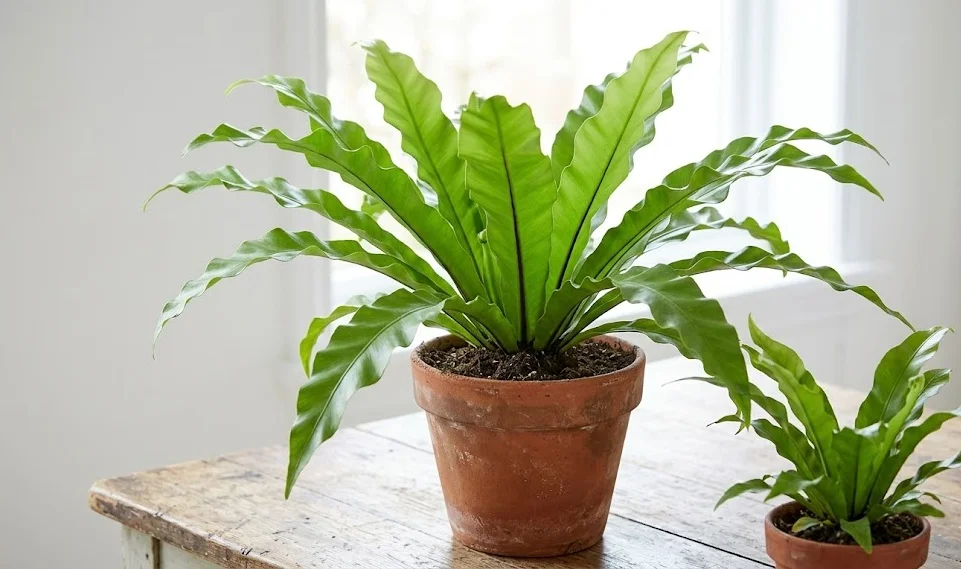

Overwintering the bird’s-nest fern is a critical task for anyone living in temperate climates where the transition to colder months brings significant environmental changes. As an evergreen tropical species, this fern does not have a true dormancy period but rather a phase of significantly slowed metabolism. During the winter, the combination of lower light, fluctuating indoor temperatures, and dry air from heating systems creates a uniquely stressful environment. Navigating this period successfully requires a professional shift in your care routine to ensure the plant emerges in the spring with its beauty and health intact.
Preparing for the transition to lower light levels
As autumn transitions into winter, the natural daylight available to your bird’s-nest fern will decrease in both duration and intensity. This reduction in energy can lead to the plant becoming leggy or developing pale, weak fronds if it is not properly managed. To compensate for this, you might need to move your fern closer to a window, provided it is not subjected to cold drafts. A south or west-facing window that was too bright in the summer might become the perfect spot during the darker months of the year.
The glass of your windows should be kept clean during the winter to allow every possible bit of light to reach the foliage. Dust and grime on the exterior or interior of the windowpane can block a surprising amount of the light spectrum that the plant needs for photosynthesis. Regularly cleaning the fronds of the fern themselves will also help maximize the efficiency of the light that does reach the leaves. These small efforts in hygiene can make a significant difference in the plant’s overall vitality during the long winter nights.
If your home is particularly dark, you may want to consider using supplemental grow lights to provide the necessary energy for the fern. Modern LED grow lights are energy-efficient and can be set on a timer to mimic a tropical day length of twelve to fourteen hours. This consistency helps the plant maintain its deep green color and prevents the shock that can come from a sudden drop in light availability. Position the lights at a safe distance to avoid overheating the delicate tissues of the central rosette.
Observing the plant’s reaction to the changing light is the best way to determine if your adjustments are working. If the new growth appears stretched or the plant seems to be leaning excessively toward the light source, it is telling you it needs more energy. Conversely, if you notice any yellowing or bleaching, the light might be too intense for the winter metabolism. Finding the right balance during this period of reduced activity is a hallmark of an experienced and attentive indoor gardener.
More articles on this topic
Managing indoor temperature drops and drafts
Temperature stability is a major concern when overwintering a bird’s-nest fern in a home with modern climate control. While these ferns can tolerate slightly cooler temperatures than during their peak growth, they should never be exposed to anything below fifteen degrees Celsius. Significant drops in temperature, especially at night, can shock the roots and lead to a rapid decline in the health of the fronds. It is essential to keep the plant away from uninsulated windows or exterior doors that are frequently opened and closed.
Drafts are perhaps the most dangerous temperature-related stressor because they cause rapid fluctuations that the plant cannot easily adapt to. A cold breeze from a window or a hot blast from a nearby radiator can cause the edges of the fronds to turn brown and brittle almost overnight. Try to find a location that is centrally located in a room where the temperature remains relatively constant throughout the day and night. Using a simple thermometer to monitor the microclimate near the plant can help you identify and resolve potential issues before they cause damage.
The relationship between temperature and watering is also critical during the winter months, as cold soil stays wet for much longer. If the roots are kept in cold, damp conditions, they are much more likely to develop fungal rot, which can be difficult to treat in the winter. Always use room-temperature water when hydrating your fern to avoid further chilling the sensitive root system. Maintaining a consistent warmth in the root zone helps the plant maintain its basic biological functions even when the air outside is freezing.
For those who live in older homes with poor insulation, you might consider using a small heat mat under the pot to provide a gentle and consistent source of warmth. This can be particularly helpful if the plant is kept on a cold stone or tile surface that siphons heat away from the root ball. However, be careful not to overheat the plant, as this can increase the rate of transpiration and lead to dehydration. Providing a stable, warm foundation is one of the best ways to help your tropical fern survive the challenges of a temperate winter.
More articles on this topic
Strategies for maintaining winter humidity
The biggest enemy of a healthy bird’s-nest fern during the winter is the extremely dry air produced by central heating systems. In many homes, the humidity levels can drop below twenty percent, which is far lower than the sixty percent or more that a tropical fern requires. When the air is this dry, the plant loses moisture through its leaves faster than it can be replaced by the roots, leading to crispy tips and wilting. Maintaining a localized humid environment is the most important task for a gardener during the winter months.
Using a high-quality humidifier in the same room as the plant is the most effective way to ensure consistent moisture levels in the air. You can set the device to maintain a specific humidity percentage, providing a professional and automated solution to a difficult problem. If a humidifier is not an option, placing the fern’s pot on a tray filled with pebbles and water can provide a small boost in local humidity. Just ensure that the bottom of the pot is sitting on the pebbles and not directly in the water, as this would lead to overwatering.
Grouping your bird’s-nest fern with other tropical plants can also create a beneficial microclimate where they all share the moisture they transpire. This collective effect can raise the humidity in the immediate area by several percentage points, making a significant difference for everyone involved. Regular misting of the leaves is often suggested, but its effects are very temporary and do not provide a long-term solution for dry winter air. Furthermore, you must be careful not to let water sit in the central nest, as this could encourage rot in the cooler winter conditions.
Keeping the plant away from direct heat sources like vents, radiators, and fireplaces is another essential strategy for preserving humidity. These areas are not only hot but also incredibly dry, and the moving air will quickly strip moisture from the delicate fronds. A bathroom or kitchen can often be a better location during the winter, as these rooms naturally have higher humidity levels from daily household activities. By being creative and proactive with humidity management, you can keep your bird’s-nest fern looking lush even in the middle of a dry winter.
Managing dormancy and reducing inputs
During the winter, your bird’s-nest fern will naturally enter a state of reduced metabolic activity, and your care routine must reflect this. One of the most common mistakes is to continue fertilizing the plant as if it were still in its peak growing season. Because the plant is not producing much new tissue, it cannot utilize the extra minerals, which then build up in the soil and can damage the roots. You should stop all fertilization from late autumn until the first signs of new growth appear in the spring.
Watering frequency must also be significantly reduced during the winter months to prevent the soil from becoming waterlogged. The lower light and cooler temperatures mean that the plant is consuming much less water than it does in the summer. Always check the moisture level of the soil with your finger before adding more water, and only irrigate when the top few centimeters feel dry. It is much better to keep the plant slightly on the drier side during the winter than to risk the development of root rot in cold soil.
The goal of winter care is maintenance rather than growth, so don’t be concerned if the plant doesn’t produce any new fronds for several months. This period of rest is a natural part of the plant’s cycle and allows it to conserve energy for a vigorous start in the spring. Avoid repotting or making any major changes to the plant’s environment during the height of winter, as it is less resilient to stress at this time. Patience is a virtue for every gardener, especially when dealing with the slow rhythms of a tropical fern in the winter.
As the days begin to lengthen in late February or March, you can slowly start to increase your care inputs in anticipation of spring. Begin by slightly increasing the watering frequency and eventually introduce a diluted fertilizer once you see new fronds uncurling from the center. This gradual transition helps wake the plant up from its winter slumber without shocking its system. Successful overwintering is a marathon, not a sprint, and your reward will be a healthy and vibrant bird’s-nest fern ready for a new year of growth.