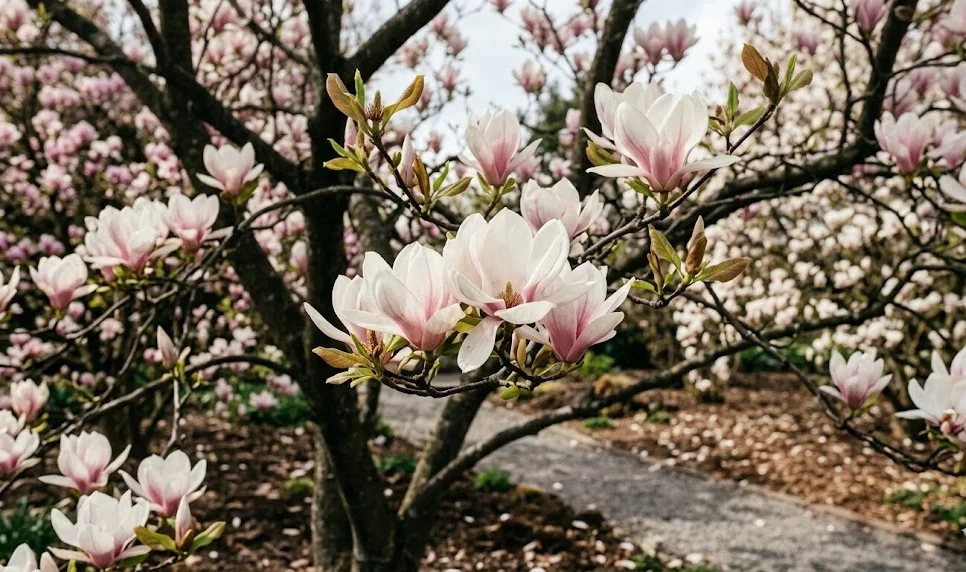

Mastering the art of pruning is essential for maintaining the structural integrity, health, and aesthetic form of these iconic flowering trees. While they generally require less frequent intervention than many other garden species, knowing when and how to cut back is vital to prevent long-term damage. These trees have a unique growth habit and sensitive bark that demand a precise and professional approach to any surgical intervention. Proper pruning not only enhances the beauty of the tree but also encourages better air circulation and reduces the risk of disease and structural failure.
The primary goal of pruning should always be to support the natural form of the tree rather than trying to force it into an unnatural shape. You should focus on removing “the three Ds”: wood that is dead, damaged, or diseased, as these can harbor pathogens and attract pests. Additionally, any branches that are crossing or rubbing against each other should be addressed to prevent wounds from forming in the bark. A well-pruned tree will have a balanced and open canopy that allows light and air to reach all parts of the plant.
Timing is perhaps the most critical factor to consider before you ever pick up a pair of shears or a pruning saw. For most deciduous varieties, the best time to prune is in the late spring or early summer, immediately after the flowering period has finished. This ensures that you aren’t cutting off the flower buds for the current year and gives the tree plenty of time to heal before winter. Pruning in the late winter or early spring is generally discouraged because it can lead to excessive “bleeding” of sap, which is unsightly and can attract insects.
Evergreen varieties have a slightly different schedule and are often best pruned in the late spring just as the new growth begins to emerge. This timing allows the plant to quickly cover the pruning wounds with fresh foliage and keeps the tree looking its best throughout the year. Avoid heavy pruning late in the summer or autumn, as this can stimulate new growth that will be too tender to survive the coming winter frosts. Understanding the specific botanical cycle of your tree is the key to choosing the most professional and effective time for maintenance.
Correct techniques and tool selection
Using the right tools is essential for making clean, precise cuts that heal quickly and do not leave the tree vulnerable to infection. For small twigs and branches, a pair of high-quality bypass pruners is the best choice because they act like scissors and provide a clean cut. For larger branches, you will need a specialized pruning saw that can cut through the wood without tearing the sensitive bark. Always make sure your tools are sharp and well-maintained to ensure the best results and minimize the physical effort required.
More articles on this topic
Sanitization is another critical step in the pruning process that is often overlooked by amateur gardeners but is a priority for professionals. You should clean your blades with rubbing alcohol or a mild bleach solution before moving from one tree to another, or even between cuts on a diseased tree. This simple practice prevents the accidental spread of fungal and bacterial pathogens through the garden. Keeping your tools clean also helps them last longer and ensures they continue to perform at their peak for many years.
When making a cut, it is important to understand the anatomy of the branch to ensure the tree can heal properly. You should always cut just outside the “branch collar,” which is the slightly swollen area where the branch meets the trunk or a larger limb. This collar contains specialized cells that are responsible for sealing the wound and preventing decay from entering the main structure of the tree. Cutting too close (a flush cut) or leaving too much of a stub can both interfere with this natural healing process and lead to long-term issues.
For very large or heavy branches, you should use the “three-cut method” to prevent the weight of the branch from tearing the bark down the trunk. Start by making an undercut about a foot away from the trunk, followed by a top cut slightly further out to remove the bulk of the branch. This leaves you with a manageable stub that you can then carefully remove at the branch collar without any risk of ripping. This professional technique is the best way to ensure a clean and safe outcome for both you and the tree.
Rejuvenation and structural management
Sometimes an older tree becomes overgrown, leggy, or loses its shape due to years of neglect or poor environmental conditions. In these cases, a process of “rejuvenation pruning” can help restore the vigor and beauty of the specimen over several years. Instead of cutting everything back at once, which can shock the tree, you should remove about one-third of the oldest and most congested branches each year. This gradual approach allows the tree to maintain its energy levels while slowly producing new, healthy growth from the base.
More articles on this topic
Structural pruning is particularly important for young trees to ensure they develop a strong and stable framework as they grow into maturity. You should identify a “central leader,” which is the main upward-growing trunk, and remove any competing branches that might create a weak crotch or a double leader. This ensures that the weight of the canopy is evenly distributed and that the tree is less likely to split during a heavy storm or snow event. Spending a little time on structural management early in the life of the tree will save a lot of trouble in the decades to come.
Removing “water sprouts” and “suckers” is another routine part of maintaining the shape and health of your tree. Water sprouts are the thin, vertically growing shoots that often appear on the main branches after a heavy pruning or a period of stress. Suckers are similar shoots that emerge from the base of the trunk or the root system, and they can quickly drain the energy of the main tree. Regularly removing these vigorous but unproductive growths will keep the tree’s energy focused where it is needed most.
Finally, always step back and look at the tree from several different angles throughout the pruning process to ensure you are maintaining a balanced form. It is very easy to get focused on one small area and accidentally remove too much, leading to an asymmetrical or “lopsided” appearance. Pruning is as much an art as it is a science, requiring a keen eye for aesthetics and a deep understanding of botanical growth patterns. By taking a slow, thoughtful, and professional approach, you can ensure your tree remains a stunning focal point in your garden for generations.