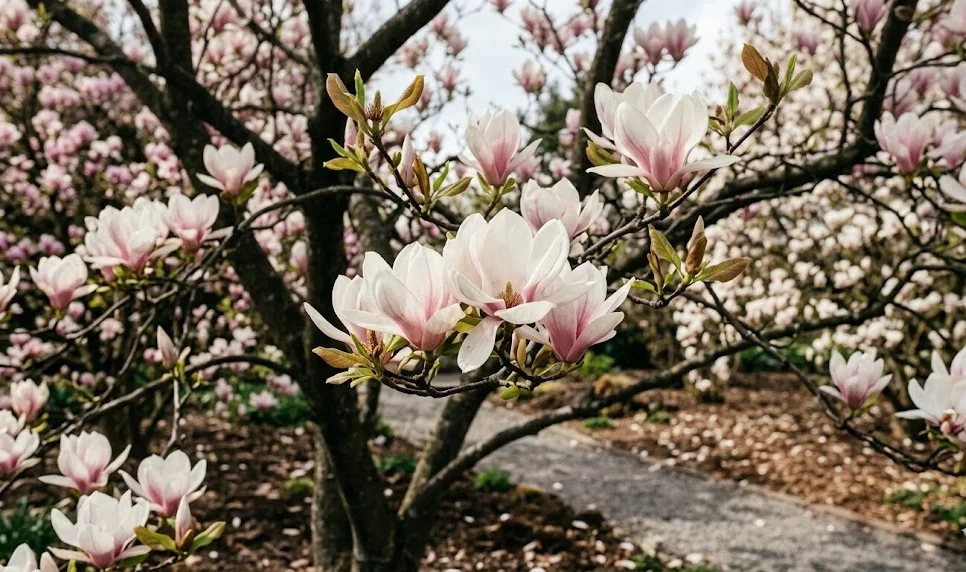

Caring for these prehistoric flowering trees requires a blend of patience and horticultural precision to ensure they thrive for generations. These plants are known for their spectacular spring displays and their ability to anchor a landscape with timeless elegance and structural beauty. While they are relatively hardy once established, they have specific needs regarding their environment and root systems that gardeners must respect. Understanding the nuances of their growth habit is the first step toward a successful long-term relationship with these garden giants.
Maintaining a healthy specimen begins with consistent monitoring of its immediate environment and overall vigor. You should observe the foliage throughout the growing season to detect any signs of stress or nutrient deficiency early on. A well-tended tree will produce glossy leaves and robust flower buds that promise a vibrant show in the coming year. Routine checks also help in identifying potential issues like physical damage or environmental stressors before they become critical problems.
The area surrounding the base of the tree should be kept clear of aggressive weeds and competing turf. Grass growing right up to the trunk can rob the shallow root system of essential moisture and nutrients. Hand-weeding is often the safest method to avoid damaging the sensitive bark with mechanical equipment like mowers or string trimmers. Creating a dedicated garden bed around the tree provides a safe zone that prioritizes the health of the plant.
Annual inspections of the trunk and branches are necessary to ensure the structural integrity of the tree remains intact. You should look for any cracks in the bark or crossing branches that might cause friction and invite pathogens. While these trees are resilient, they do not recover quickly from deep physical wounds to their main structure. Keeping the area tidy and free of fallen debris can also reduce the risk of localized fungal growth near the base.
Soil health and composition
The foundation of success lies in providing the right soil environment for the delicate and fleshy root system. These plants generally prefer slightly acidic to neutral soil that is rich in organic matter and well-draining. Heavy clay soils can be problematic because they retain too much water and can lead to root suffocation or rot. If you are dealing with poor soil, incorporating compost or leaf mold can significantly improve the texture and drainage.
More articles on this topic
Testing the pH of your garden soil is a professional practice that yields valuable data for long-term care. If the soil is too alkaline, the tree may suffer from chlorosis, where the leaves turn yellow while the veins remain green. You can use sulfur or acidic organic mulches to gently lower the pH over time without shocking the plant. Consistent soil quality ensures that the roots can efficiently uptake the minerals necessary for photosynthesis and bloom production.
Aeration is another critical factor since the roots are particularly sensitive to soil compaction and lack of oxygen. Avoid heavy foot traffic or the placement of heavy decorative stones directly over the root zone of the tree. If the soil becomes too packed, the tree will show signs of decline such as stunted growth or premature leaf drop. Gently loosening the surface soil occasionally can help, provided you do not dig deep enough to sever the shallow roots.
Organic matter serves as a slow-release fuel source that supports the complex biology of the rhizosphere. Adding a layer of well-rotted manure or garden compost every spring replenishes the nutrients lost during the previous growing season. This practice also encourages beneficial microbial activity and earthworm populations which naturally aerate the subterranean environment. Healthy soil creates a resilient plant that is much better equipped to handle environmental fluctuations and seasonal changes.
Effective mulching strategies
Mulching is one of the most beneficial maintenance tasks you can perform to protect the sensitive root architecture. A thick layer of organic mulch helps to regulate soil temperature, keeping the roots cool in summer and insulated in winter. It also acts as a moisture barrier that prevents rapid evaporation during the hottest months of the year. Using natural materials like wood chips, pine needles, or shredded bark is generally recommended for the best results.
More articles on this topic
The application technique is just as important as the material you choose for the mulching process. You should apply a layer that is approximately three to four inches deep, spreading it out to the drip line of the canopy. It is vital to keep the mulch a few inches away from the trunk to prevent moisture buildup against the bark. This gap allows for proper air circulation and prevents the development of rot or fungal infections at the base.
Over time, the mulch will decompose and integrate into the soil, providing a steady supply of organic nutrients. You will need to replenish the layer annually or every two years to maintain its effectiveness and aesthetic appeal. Spring is the ideal time for this task, as it sets the stage for the intense growth period ahead. Fresh mulch also gives the garden a polished look while performing its essential functional duties.
Choosing the right mulch can also help manage the soil pH in a subtle and natural way. For instance, pine bark or needles are slightly acidic and can be perfect for trees growing in more neutral soils. Avoid using dyed mulches or those containing treated woods, as these can introduce unwanted chemicals into the ecosystem. Stick to high-quality, natural organic products that mimic the forest floor where these species naturally evolved.
Monitoring seasonal growth
Spring is the most active time for these trees as they transition from dormancy into their legendary blooming phase. You should pay close attention to the timing of the buds opening and the development of new green shoots. Late frosts can sometimes damage early blossoms, so being prepared to provide temporary protection can save the display. This season is also the best time to assess the overall health after the harsh conditions of winter.
During the summer months, the focus shifts to maintaining hydration and protecting the foliage from intense heat. The tree works hard to build up energy reserves and develop the flower buds for the following spring. You may notice some natural leaf shedding, but excessive yellowing might indicate that the plant is struggling with high temperatures. Providing adequate shade or increased irrigation during heatwaves can help the tree maintain its vigor through the peak of summer.
Autumn is a period of preparation where the tree begins to slow its metabolic processes and harden off its wood. The leaves will often turn beautiful shades of yellow or copper before falling to the ground to form a natural mulch. You should reduce supplemental feeding at this time to avoid encouraging new growth that could be damaged by frost. It is a good time to clear away any diseased foliage to prevent pathogens from overwintering near the tree.
Winter dormancy is a quiet but important phase where the tree rests and undergoes necessary physiological changes. While there is little active growth, you should still check the tree for any physical damage after heavy snow or wind. Protecting the trunk from rodents or sunscald can be a necessary step in certain climates during the coldest months. Understanding this cycle allows you to provide the right support at the right time throughout the entire year.
Managing environmental stress
Wind can be a significant stressor for these trees, especially those with large leaves or brittle wood. Planting in a location that offers some protection from prevailing winds can prevent physical breakage and excessive transpiration. If a tree is exposed, you might notice tattered leaves or a leaning trunk that requires staking for support. Strategic placement near buildings or taller evergreens can create a microclimate that shields the tree from harsh gusts.
Heat stress is another common issue that can lead to leaf scorch and reduced flowering potential in subsequent years. During periods of extreme heat, the tree may lose water faster than the roots can supply it to the canopy. Providing a deep watering in the early morning can help the plant hydrate before the temperature reaches its daily peak. Thick mulch is your best ally in keeping the root zone cool and moist during these challenging periods.
Urban environments often present unique stressors such as air pollution, salt spray, or restricted root space. These factors can weaken the immune system of the plant and make it more susceptible to secondary infections. Choosing varieties that are known for their urban resilience can mitigate some of these challenges from the start. Regular rinsing of the foliage can also help remove dust and pollutants that might clog the stomata of the leaves.
Sudden changes in environmental conditions, such as unseasonably warm spells followed by a hard freeze, can be particularly damaging. These fluctuations can confuse the plant into breaking dormancy too early, leaving tender tissues vulnerable to the cold. While you cannot control the weather, you can monitor forecasts and take proactive measures like covering small trees. Building resilience through proper long-term care is the best way to help the tree survive these unpredictable events.
Observation and health tracking
Keeping a garden journal can be an invaluable tool for tracking the long-term health and performance of your tree. Note the dates of the first blooms, the duration of the flowering period, and any unusual weather events. This record helps you identify patterns and see how the tree responds to different maintenance routines over several years. It also makes it easier to communicate with professionals if you ever need to seek expert advice.
Regularly inspecting the underside of leaves and the junctions of branches can reveal hidden problems early. Many pests and diseases start in these inconspicuous areas before spreading to the rest of the canopy. A magnifying glass can be a handy tool for identifying small insects or the early signs of fungal spores. Early detection usually means that simpler and less invasive treatments will be effective in resolving the issue.
Comparing the growth of your tree to established standards for the specific variety can provide a baseline for its health. If the annual growth seems significantly less than expected, it may be a sign that something in the environment is not ideal. Conversely, overly rapid and leggy growth might suggest that you are over-fertilizing or providing too much nitrogen. Balancing the inputs and outputs of the plant requires a keen eye and a patient approach to gardening.
Sharing observations with local gardening communities can also provide context for what is happening in your specific region. Often, if your tree is experiencing a particular issue, other growers in the area may be seeing the same thing. This collective knowledge can help identify regional pest outbreaks or the effects of localized climate trends. Being part of a wider network of enthusiasts enhances your ability to care for your specimen with expert-level insight.
Varietal specific considerations
Different species and hybrids within this family have unique requirements and growth habits that you must understand. Some varieties are naturally more shrub-like and require less vertical space, while others can grow into massive shade trees. Knowing the eventual size and shape of your specific plant helps you manage the space around it more effectively. Researching the parentage of your hybrid can also give you clues about its cold hardiness and soil preferences.
Star varieties, for example, tend to bloom earlier and may need more protection from late spring frosts than later-blooming types. Saucer varieties often produce much larger leaves and flowers, which can make them more susceptible to wind damage. Evergreens like the Southern types have different moisture needs in winter compared to their deciduous cousins. Always tailor your care routine to the specific botanical characteristics of the individual plant in your garden.
Dwarf cultivars are becoming increasingly popular for smaller urban gardens and even large containers. These smaller plants have the same care requirements but on a much more manageable scale for the average homeowner. They still need the same high-quality soil and consistent moisture, but their root systems are less expansive. Understanding the limitations and advantages of these compact forms ensures they remain healthy in restricted spaces.
Finally, always consider the origin of your specific variety when deciding on the best maintenance practices. Some types were bred in humid climates and might struggle in arid regions without significant supplemental humidity. Others are more drought-tolerant once they reach maturity and can handle longer periods between watering. Matching the plant to your local environment is the ultimate key to a thriving and beautiful garden specimen.