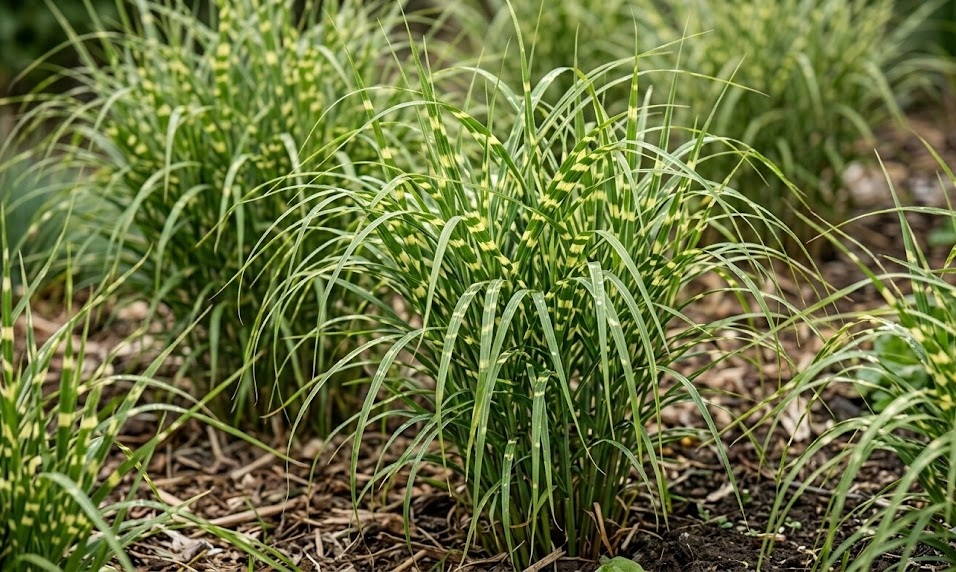

Understanding the light needs of zebra grass is fundamental to achieving the vibrant color patterns and sturdy growth that define this plant. As a sun-loving species, its performance is directly tied to the amount and quality of sunlight it receives each day. When placed in the right lighting conditions, the horizontal yellow bands become striking and the stems remain upright and strong. Providing the correct exposure is the most important decision you will make when adding this grass to your landscape.
Zebra grass performs best when it is situated in a location that receives full sun for at least six to eight hours a day. This intense light is what fuels the photosynthesis necessary for such a large and fast-growing perennial. In our climate, the sun provides the energy needed to produce the tall stems and the characteristic feathery plumes in late summer. Without enough light, the plant will struggle to reach its potential height and may look sparse and unhealthy.
If the plant is placed in an area with too much shade, it will often begin to “reach” toward the light source. This causes the stems to become weak and floppy, meaning they may fall over during heavy rain or wind. A shaded zebra grass also tends to lose the intensity of its yellow variegation, often turning a dull, solid green. To maintain the professional look of the ‘Zebrinus’ cultivar, direct sunlight is absolutely non-negotiable for the majority of the day.
While it is very sun-tolerant, the plant can also handle very light, dappled shade for a small portion of the afternoon. However, you should monitor the plant closely to ensure that the yellow stripes remain vivid and clearly defined. If you notice the stripes fading or the plant leaning significantly, it is a sign that it needs to be moved to a brighter spot. Sunlight is the “food” that allows this ornamental grass to create its unique and rhythmic visual pattern.
Variegation and sunlight intensity
The unique horizontal banding of zebra grass is a physiological response that is highly dependent on light intensity. These yellow marks are areas with less chlorophyll, and they require bright light to remain distinct from the surrounding green. In low-light environments, the plant will produce more chlorophyll to compensate for the lack of sun, which hides the variegation. Therefore, the sunnier the location, the more spectacular the “zebra” effect will be for the viewer.
More articles on this topic
The timing of the sunlight can also influence how the plant develops its colors throughout the growing season. Morning sun is particularly beneficial as it helps to dry off any dew on the leaves, reducing the risk of fungal issues. The intense afternoon sun is what really drives the production of the yellow pigments that we value so highly. A spot that gets both morning and afternoon light is the gold standard for planting this specific ornamental grass.
In very hot climates, you might worry that the intense sun could burn the leaves, but zebra grass is remarkably heat-resistant. Its narrow, vertical leaves are designed to handle high temperatures without losing excessive moisture. In fact, the plant often looks its most vibrant during the hottest weeks of July and August when the sun is at its peak. This resilience makes it an excellent choice for open, exposed areas of the garden where other plants might wilt.
If you are growing zebra grass in a large container, you have the advantage of being able to move it to follow the sun. This is particularly useful in smaller gardens where shadows from buildings or trees change significantly throughout the year. By ensuring the pot is always in the brightest possible location, you can maintain a high-quality specimen all season long. Proper light management is the secret to professional-grade container gardening with ornamental grasses.
Light and the blooming cycle
The production of flower plumes in late summer or early autumn is also heavily influenced by the amount of light the plant receives. For zebra grass to “ripen” and produce these feathery spikes, it needs a long season of consistent, bright sunshine. If the summer is particularly cloudy or if the plant is in a shaded spot, it may fail to bloom entirely. While the foliage is beautiful on its own, the flowers add a wonderful extra dimension to the autumn garden.
More articles on this topic
The light also affects the color and texture of the flower plumes as they emerge and mature over time. In full sun, the plumes often have a subtle silvery or pinkish sheen that catches the low light of the autumn sun beautifully. These plumes remain on the plant well into the winter, providing structure and movement in the cold landscape. Ensuring the plant gets enough light during the summer is the only way to guarantee this late-season reward.
When planning your garden layout, consider how the sunlight will hit the grass at different times of the day. Backlighting, where the sun shines through the leaves from behind, is a particularly effective way to highlight the yellow bands. This creates a glowing effect that can make the zebra grass the undisputed star of your garden in the late afternoon. Professional landscape designers often use this trick to create dramatic focal points in their projects.
Finally, remember that the light levels in your garden will change as other trees and shrubs grow and mature over the years. A spot that was in full sun five years ago might now be in partial shade due to a growing canopy nearby. You should periodically re-evaluate the light conditions for your zebra grass to ensure it is still getting what it needs. Being proactive about light management will keep your ornamental grasses healthy and beautiful for decades.