
Understanding the light needs of your climbing vines is the foundation of a successful gardening strategy that leads to abundant and healthy floral displays. These plants are naturally adapted to environments where they compete for sunlight by climbing high into the forest canopy to reach the brightest exposure possible. Without the correct amount and quality of light, the vine will prioritize its survival by growing only leaves, leaving the gardener disappointed by a lack of flowers. By carefully managing the light levels in your garden, you can unlock the full potential of these spectacular ornamental climbers.
The primary rule for achieving a stunning display of flowers is to provide the plant with at least six to eight hours of direct sunlight every single day. This intense light exposure is what triggers the physiological processes inside the plant that lead to the formation of flower buds for the following spring. In shaded locations, the vine may grow vigorously and look perfectly healthy, but it will almost certainly fail to produce its characteristic hanging clusters. Sunlight is the “fuel” that the plant uses to create the energy-intensive blooms that make it so famous.
Morning sun is particularly beneficial as it helps to dry the dew off the leaves quickly, which can significantly reduce the risk of fungal infections like powdery mildew. If you have to choose between morning and afternoon sun, the brighter and more intense afternoon light is usually better for promoting heavy flowering. However, in extremely hot climates, some dappled shade during the hottest part of the day can prevent the leaves from scorching or wilting. Balancing these factors requires a good understanding of your specific local climate and the orientation of your garden.
The orientation of the wall or support structure where you plant your vine will dictate the amount of light it receives throughout the year. A south-facing or west-facing wall is typically the best choice in the northern hemisphere, as it captures the maximum amount of solar energy. Even in the winter, these positions remain warmer and brighter, which can help the wood to ripen properly and prepare for the next season’s growth. If you are planting in a less than ideal spot, you may need to use reflective surfaces or open up the surrounding canopy to increase light penetration.
Maximizing sun exposure in shaded gardens
If your garden is naturally shaded by large trees or buildings, you can still find ways to increase the light available to your climbing vines through clever management. Pruning back the overhanging branches of nearby trees, a process known as “crown lifting” or “thinning,” can allow more sunlight to reach the lower levels of your landscape. This not only benefits your wisteria but can also improve the health of your lawn and other sun-loving plants beneath the canopy. It is a professional technique that helps create a more balanced and productive garden environment.
More articles on this topic
Using light-colored or reflective materials for your support structures and nearby walls can also help bounce more light onto the foliage of the vine. A white-painted wall or a light-colored stone path can make a surprising difference in the total amount of light the plant receives during the day. This is a common trick used in urban gardens or small courtyards where space and direct sunlight are limited by surrounding structures. Every extra bit of light you can capture will contribute to a healthier and more floriferous plant over time.
Strategic placement of the vine in the highest part of the garden can also help it catch the sun’s rays for a longer period as the sun moves across the sky. Because these plants are natural climbers, they will instinctively head toward the light, so you should encourage them to reach the top of your pergolas or arches as quickly as possible. Once the main framework is established in a sunny position, the lower parts of the plant can tolerate a bit more shade without sacrificing the overall floral display. Training the vine to follow the light is a key part of long-term structural management.
You should also be mindful of how the light changes throughout the seasons, as a spot that is sunny in the summer might be in deep shade during the spring or autumn. Observing your garden at different times of the year will help you identify the best locations for plants that have high light requirements. If you notice that your vine is not performing as well as it should, take a moment to assess whether the light conditions have changed due to the growth of nearby plants or new construction. Adapting your care routine to these changes is essential for maintaining a thriving landscape.
Managing light for health and vigor
While light is essential for flowers, it also plays a critical role in the overall health and structural strength of the woody stems and branches. Stems that grow in deep shade tend to be “leggy” and weak, with long distances between the leaves, as the plant tries to stretch toward the light. These weak branches are more prone to breaking under the weight of snow or high winds and may not live as long as those grown in full sun. Sunlight helps the plant build thick, sturdy wood that can support the massive weight of a mature vine over many decades.
More articles on this topic
Proper pruning is another tool you can use to manage the way light reaches different parts of the plant’s internal structure. By thinning out the dense outer canopy, you allow sunlight to penetrate into the center of the vine where it can stimulate the growth of short, flowering spurs. Without this interior light, the center of the plant will become a bare, tangled mess of dead wood with leaves only on the very outside. Keeping the plant “open” through regular maintenance ensures that every part of the vine remains productive and healthy.
In regions with very high light intensity and extreme heat, you must monitor your vines for signs of sunscald on the tender new growth or the main trunk. While the plant loves the sun, excessively high temperatures combined with dry soil can lead to permanent tissue damage and stress. Providing adequate irrigation is the best way to help the plant cope with intense light, as it allows the leaves to cool themselves through transpiration. A healthy, well-watered vine can handle almost any amount of sunlight that nature throws at it.
The color and texture of the leaves can often tell you if the light levels are correct for your specific variety of climber. Leaves that are a deep, vibrant green and closely spaced along the stem indicate that the plant is receiving an ideal amount of light for its needs. If the leaves are pale, yellowish, or unusually large, it may be a sign that the plant is struggling to capture enough energy in a shaded location. Learning to read these visual cues will help you become a more intuitive and successful gardener in any environment.
Adjusting for different varieties and goals
Different species and cultivars may have slightly different tolerances for light, so it is important to know exactly which variety you are growing in your garden. Some Japanese varieties are known to be slightly more tolerant of partial shade, while Chinese types almost always require the full intensity of the sun to bloom well. Researching the specific light requirements of your chosen plant before you buy it can save you years of frustration and poor performance. A professional nursery should be able to provide you with the detailed information you need to make the right choice.
If your goal is to grow a vine as a free-standing tree or a formal espalier, the light requirements remain the same, but the management becomes even more critical. These architectural forms require a very balanced light exposure to ensure that they grow evenly on all sides without leaning toward the sun. Rotating container-grown plants or carefully pruning the sunny side of a permanent vine can help maintain a symmetrical and attractive shape. This high-level training is a rewarding challenge for any dedicated gardener who wants to create a unique focal point.
Using artificial grow lights is usually not practical for large outdoor vines, but it can be a useful tool if you are starting new plants from seeds or cuttings indoors. Providing young seedlings with sixteen hours of bright light a day will help them grow quickly and develop a strong root system before they are moved outside. This head start can shave months off the time it takes for a new plant to become established in the garden landscape. Once they are moved to their permanent home, the natural sun will take over and provide all the energy they need.
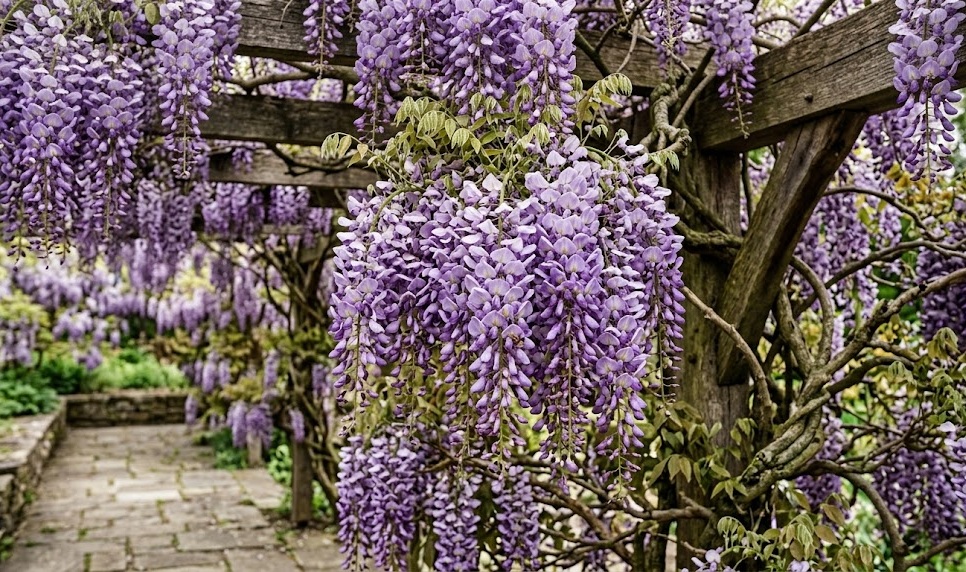
Ultimately, the light in your garden is one of the few environmental factors that is difficult to change, so working with it is the best path to success. By placing your climbing vines in the brightest possible locations and managing their growth to maximize sun exposure, you ensure a lifetime of beauty and fragrance. A wisteria in full bloom, with its flowers glowing in the late afternoon sun, is one of the most magnificent sights in the world of gardening. Your attention to these light requirements is what makes that spectacular moment possible every single year.