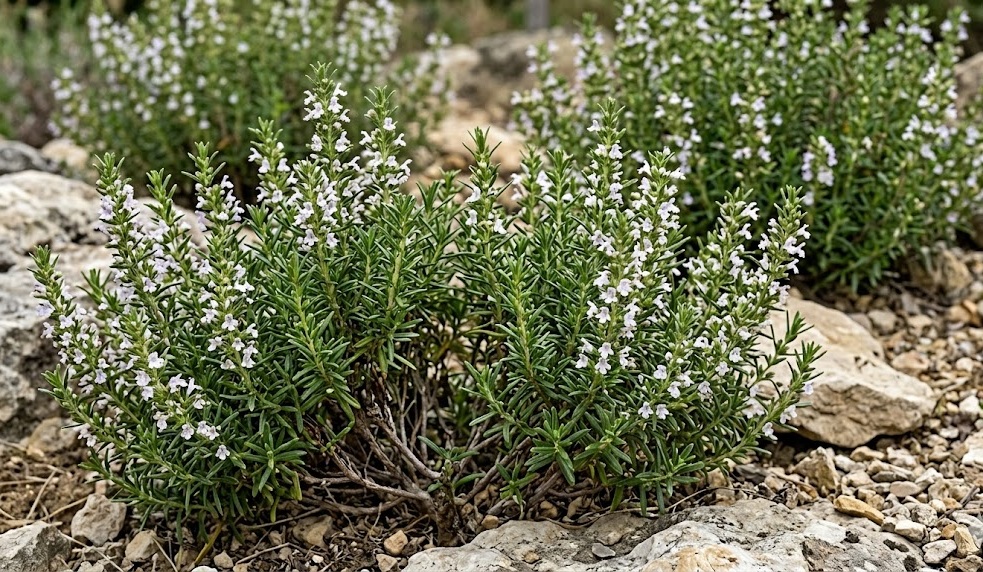

The intensity and duration of sunlight are perhaps the most influential factors in the successful cultivation of winter savory. As a species that originated in the sun-drenched landscapes of the Mediterranean, this herb has a profound physiological need for bright, direct light. Light doesn’t just provide the energy for growth; it directly dictates the chemical composition and potency of the plant’s essential oils. For a professional-grade harvest, understanding how to manage and optimize light exposure is a non-negotiable part of the gardening process.
In a typical garden setting, winter savory should be positioned where it can receive at least six to eight hours of full sun every day. This requirement is especially critical in the northern hemisphere, where the sun’s angle and intensity can vary significantly throughout the year. If the plant is tucked away in a shady corner, it will often become leggy and sparse as it stretches toward the nearest light source. This “etiolation” not only ruins the aesthetic of the shrub but also weakens its structural integrity and reduces its overall yield.
The quality of light also changes with the seasons, and a professional gardener must account for these shifts. In the early spring, the gentle morning sun provides the perfect stimulus for breaking dormancy without the risk of scorching new growth. By midsummer, the overhead sun can be intense, which is exactly what the plant needs to maximize its production of pulegone and other aromatic compounds. Even in the winter, providing as much light as possible helps the plant maintain its evergreen foliage and survive the cold.
When planning your herb garden, consider the surrounding structures and larger plants that might cast shadows over your savory beds. Buildings, fences, and overhanging trees can all create microclimates where the available light is insufficient for Mediterranean herbs. You should aim for an open, south-facing location that offers an unobstructed path for the sun’s rays throughout the most productive hours of the day. A well-lit garden is a healthy garden, and winter savory is a prime example of a plant that thrives in the spotlight.
Full sun necessity for oil production
The characteristic spicy and peppery flavor of winter savory is a direct result of the complex essential oils stored in tiny glands on the surface of its leaves. These oils are secondary metabolites that the plant produces in response to environmental factors, with UV light being the primary driver. Research shows that plants grown in full sun have significantly higher concentrations of these oils compared to those grown in partial shade. If you want your herb to have that signature “bite” in your cooking, you must provide it with the maximum possible sun exposure.
More articles on this topic
Sunlight also plays a vital role in the physical development of the savory’s cuticle, the protective waxy layer on the outside of the leaves. A thick, well-developed cuticle helps the plant resist pests and diseases and reduces the rate of water loss during dry spells. Plants grown in high-light environments are generally tougher and more resilient than their shade-grown counterparts. This physical “hardening” is essential for a perennial plant that must survive both the summer heat and the winter cold.
In regions with frequent cloud cover or shorter growing seasons, you might need to use professional reflectors or strategic placement to boost light levels. White-painted walls or light-colored gravel can reflect extra light onto the plants, effectively increasing their daily dose of energy. Some advanced growers even use UV-selective films in greenhouses to mimic the high-altitude light conditions where some of the best savory specimens are found. These techniques demonstrate the commitment to quality that defines professional herb production.
During the peak of the day, you may see the leaves of the savory tilting slightly or appearing a bit dull; this is a natural defensive posture to prevent damage from excessive radiation. As long as the plant is well-hydrated, it can handle very high light intensities without any negative effects. In fact, it is almost impossible to give a healthy winter savory too much sun in a temperate climate. The more light it gets, the more it will reward you with dense growth and a powerful aroma that can be smelled from several feet away.
Impacts of shade on growth and health
When winter savory is deprived of its needed light, the plant undergoes a series of negative transformations that compromise its health. The most immediate sign of light stress is the lengthening of the internodes, which is the space between the leaves on the stem. This results in a “leggy” appearance where the plant looks thin and lacks the compact, mounded shape that is characteristic of the species. These long, weak stems are much more likely to flop over or break under the weight of rain or snow.
More articles on this topic
Shade also creates a more humid microclimate within the plant’s canopy, as the lack of sun prevents dew and rainwater from evaporating quickly. This persistent moisture is a primary invitation for fungal diseases like powdery mildew and various types of leaf spot. In the sun, these pathogens struggle to survive, but in the shade, they can quickly colonize the foliage and weaken the plant. A shady location essentially turns a naturally hardy plant into one that requires constant chemical intervention to stay alive.
Furthermore, the flavor profile of shade-grown savory is often described as “green” or “grassy” rather than spicy and aromatic. Without the energy from the sun to fuel the production of complex oils, the plant focuses entirely on basic survival and biomass accumulation. For culinary purposes, this makes the herb much less useful and can be disappointing for the gardener. If you find your savory is lacking in flavor, the first thing you should investigate is whether it is getting enough direct sunlight.
If you have no choice but to grow savory in a spot that receives some shade, try to ensure it gets at least the morning sun. The morning light is effective for drying off the nighttime moisture while being less stressful than the intense afternoon heat. You should also be even more diligent about thinning out the branches to allow what little light is available to penetrate into the center of the shrub. However, for the best results, there is simply no substitute for a truly sunny location.
Orienting the plantation for maximum exposure
When laying out a larger plantation or a dedicated herb garden, the orientation of your rows can make a significant difference in light distribution. For most locations, North-South rows are preferred because they allow the sun to reach both sides of the plants as it moves across the sky. This ensures that the entire shrub receives an even amount of energy, preventing one-sided growth. If rows are oriented East-West, the plants on the north side may be perpetually shaded by their southern neighbors.
On sloping terrain, you should always aim to plant your winter savory on south-facing or west-facing slopes to capture the maximum amount of solar radiation. These slopes warm up earlier in the spring and stay warmer later into the autumn, effectively lengthening your growing season. A north-facing slope, by contrast, will be cooler and shaded for much of the day, which is far from ideal for Mediterranean herbs. Using the natural topography of your land is a hallmark of professional site planning.
For home gardeners, placing savory near heat-retaining structures like stone paths or brick walls can provide a localized boost in light and temperature. These materials absorb the sun’s energy during the day and radiate it back out at night, creating a more stable and warmer environment. This “thermal mass” effect can be particularly beneficial for getting young plants established or for extending the harvest period in the late fall. It also creates a beautiful and functional design element in your landscape.
Finally, remember that light levels can change over the years as nearby trees grow and mature. What was once a full-sun location may slowly transition into partial shade without you noticing the change immediately. A professional gardener periodically audits their garden’s light levels and is prepared to move plants or prune back overhanging branches to maintain the optimal environment. Constant vigilance and a willingness to adapt are key to keeping your winter savory thriving in the light it loves.
Adapting to regional light variations
Light intensity varies significantly depending on your latitude and altitude, and your care routine should reflect these differences. In high-altitude regions, the UV radiation is much stronger, which can lead to exceptionally potent herbs but also a higher risk of sunscald for young transplants. You might need to provide a bit of temporary shade for new plants in these areas until they can build up their natural defenses. Conversely, in northern latitudes, every minute of sunlight is precious, and you should do everything possible to minimize shading.
Coastal regions often have a unique light quality due to the reflection of the sun off the water and the prevalence of mist or fog. While the overall light intensity might be lower, the diffused light can sometimes lead to very even growth across the entire plant. However, the increased humidity in these areas means that full sun is even more critical for preventing fungal issues. Understanding these regional nuances allows you to fine-tune your gardening practices to your specific location.
If you are growing winter savory indoors or in a greenhouse, you may need to supplement the natural light with professional grow lights. LED lights that offer a full spectrum, including blue and red wavelengths, are highly effective for maintaining healthy herb growth. You should aim to provide about 12 to 14 hours of artificial light to mimic a long summer day. Positioning the lights a few inches above the canopy ensures the plants get the intensity they need without generating too much heat.
The color of your soil and mulch can also play a minor but interesting role in how light is utilized by the plant. Darker soils absorb more heat, while lighter-colored mulches, like light-colored gravel, reflect more light up into the lower parts of the plant. Some professional growers use this to their advantage to ensure that the bottom leaves of the savory don’t yellow and fall off due to lack of light. This level of detail in environmental management is what separates an amateur gardener from a true expert.