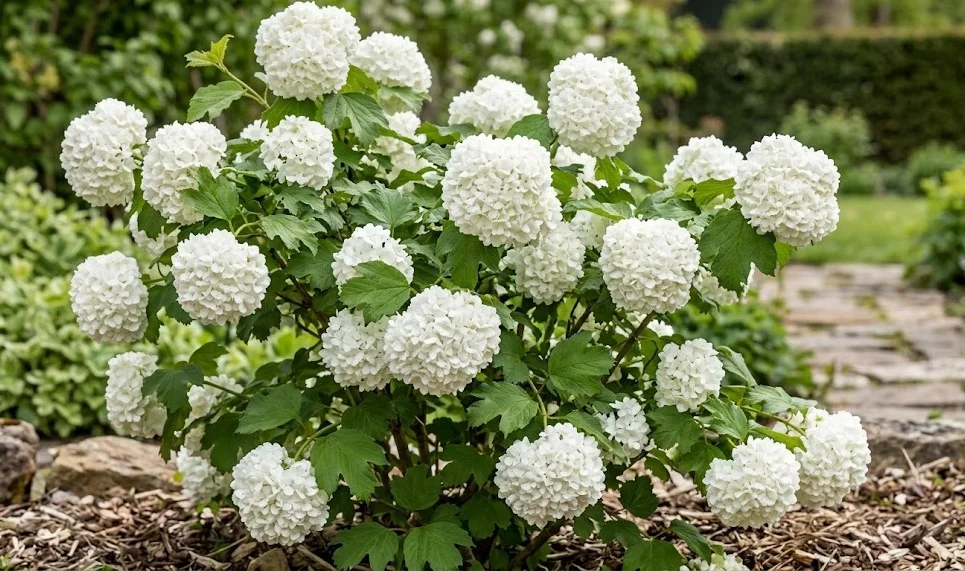

Understanding the light requirements of the snowball bush is one of the most important factors in determining where it will thrive in your landscape. This ornamental shrub is known for its adaptability, but like all plants, it has a “perfect” amount of sun that brings out its best characteristics. Finding the right balance between light and shade will influence everything from the density of the foliage to the size and number of the flower clusters. By paying attention to how the sun moves across your garden, you can choose a spot that ensures your shrub remains healthy and beautiful for years.
In its natural habitat, the snowball bush often grows along the edges of woodlands or in open meadows where it receives plenty of indirect light throughout the day. This suggests that while it appreciates the energy of the sun, it also benefits from a bit of protection from the most intense afternoon heat. Gardeners often find that a location with six to eight hours of direct sunlight is ideal for promoting a robust blooming cycle and strong, healthy stems. If the plant is placed in a spot that is too dark, it may become “leggy” as it stretches toward the available light.
Sunlight is the primary driver of photosynthesis, which is the process the plant uses to create the energy needed for growth and flower production. The massive, spherical blooms of the snowball bush require a significant amount of energy to develop fully and to reach their impressive size. Therefore, a plant in a sunny location will almost always produce a more spectacular floral display than one tucked away in a deep, shaded corner. However, in very hot climates, a bit of afternoon shade can prevent the leaves from scorching and keep the plant looking fresh throughout the summer.
Observing your garden at different times of the day will help you identify the microclimates that might be suitable for your new ornamental addition. Light patterns change significantly throughout the year as the sun’s position in the sky shifts and as neighboring trees grow or lose their leaves. What might seem like a sunny spot in the early spring could become quite shaded once the surrounding canopy fills in during the summer months. Taking these seasonal changes into account will help you make a more informed decision about the long-term placement of your snowball bush.
The benefits of full sun exposure
Full sun is generally defined as receiving at least six hours of direct, unobstructed sunlight on most days of the growing season. For the snowball bush, this level of exposure encourages the most compact and structurally sound growth habit, with branches that are strong enough to support the heavy flowers. In full sun, the plant can produce more leaves and more flower buds, leading to a much denser and more impressive overall appearance. If you want the maximum “snowball” effect in your garden, a sunny position is usually the best choice you can make.
More articles on this topic
Sunlight also plays a critical role in the health of the foliage and the prevention of several common fungal diseases that can affect ornamental shrubs. Leaves that are regularly exposed to the sun and moving air dry out much more quickly after a rain shower or morning dew, making them less hospitable to pathogens. Powdery mildew, for instance, is far more likely to become a problem on a plant that is stuck in a stagnant, shaded area with poor air circulation. By providing plenty of light, you are naturally reducing the need for chemical interventions and keeping your plant’s “skin” healthy.
The intensity of the sun can also influence the autumn color of the snowball bush, which often turns beautiful shades of reddish-purple before the leaves fall. This seasonal transformation is driven by the breakdown of chlorophyll and the production of other pigments, a process that is enhanced by clear, sunny days. A plant that has received plenty of light throughout the summer will often put on a much more vibrant final show in the autumn than one that has been in the shade. This adds another layer of beauty to the landscape that many gardeners appreciate just as much as the spring flowers.
However, even in full sun, the snowball bush requires careful management of its moisture levels to prevent heat stress and leaf damage. The larger the plant grows and the more sun it receives, the more water it will transpire through its leaves during the day. You must be prepared to supplement natural rainfall with regular, deep watering to keep the plant from wilting under the pressure of the intense summer sun. A sunny spot is a high-energy environment that requires a corresponding commitment to hydration to keep the plant in peak condition.
Managing the challenges of partial shade
Partial shade is often described as a location that receives between three and six hours of direct sun, or one that has “dappled” light through a thin canopy of trees. The snowball bush is remarkably tolerant of these conditions and can still be a beautiful addition to a partially shaded garden bed. In fact, in areas with very hot, dry summers, some afternoon shade can be a real blessing for the plant, protecting it from the harshest rays of the day. You may find that the foliage remains a deeper, more consistent green when it isn’t being pounded by the midday sun.
More articles on this topic
The main trade-off when planting in partial shade is a potential reduction in the number and size of the flower clusters produced each spring. While the plant will still bloom, the “snowballs” may be slightly smaller or more sparsely distributed across the branches compared to a sun-grown specimen. You might also notice that the shrub has a more open and airy structure as it reaches outward to capture as much light as possible. This can actually be a very attractive look in a naturalistic or woodland-style garden design where a softer silhouette is desired.
To get the most out of a snowball bush in partial shade, you should pay extra attention to its nutritional needs and overall health. Because it is producing less energy from the sun, every other aspect of its care—such as soil quality and proper pruning—becomes even more important. You can help the plant by removing any low-hanging branches from nearby trees that might be creating more shade than necessary. This “limbing up” allows more light to reach the shrub and can significantly improve its blooming performance over time.
Monitoring for pests and diseases is also more critical in shaded areas where moisture tends to linger on the leaves for longer periods. You should ensure that the plant has enough space around it for air to move freely, even if the overhead light is limited. Avoid overcrowding the snowball bush with other large plants that might compete for both light and air, as this can create a microclimate that is ripe for fungal infections. With a bit of thoughtful management, a partially shaded snowball bush can still be a healthy and delightful part of your garden.
Light and the plant’s seasonal rhythm
The changing light levels throughout the year act as a natural clock for the snowball bush, telling it when to grow, when to bloom, and when to prepare for winter. In the early spring, the increasing intensity and duration of the sunlight trigger the buds to swell and the first leaves to emerge from their winter slumber. This is the time when the plant is most sensitive to light, as it needs to quickly build up the energy reserves required for the upcoming flowering period. A bright, sunny spring is often the precursor to a particularly spectacular display of white blooms in May.
As summer progresses and the sun reaches its highest point in the sky, the plant focuses on maintaining its foliage and building up energy for the following year. This is also the time when the light can be most damaging if the plant is not properly hydrated or if it is in an exceptionally exposed location. The “solar stress” of mid-summer can lead to a slowing of growth as the plant enters a semi-dormant state to protect itself from the heat. Understanding this natural ebb and flow of energy will help you time your maintenance tasks, such as watering and mulching, more effectively.
In the autumn, the decreasing light levels signal to the plant that it is time to start moving nutrients from the leaves back into the woody stems and roots for storage. This transition is marked by the beautiful color changes that are a highlight of the late-season garden in many temperate regions. The quality of the light in the autumn—which is often softer and more golden—creates a different visual experience than the bright, harsh light of mid-summer. These seasonal changes in light and color remind us of the continuous cycle of life that we are a part of through our gardens.
Finally, even in the winter, light remains an important factor for the health of the dormant snowball bush and its surrounding environment. The winter sun can warm the bark and the soil, potentially causing early budding if there is a prolonged warm spell in late February. On the other hand, the absence of leaves allows more light to reach the ground around the base of the shrub, which can benefit any evergreen groundcovers or early spring bulbs you have planted nearby. Light is a dynamic and ever-changing force in the garden, and learning to work with it is one of the greatest joys of being a gardener.