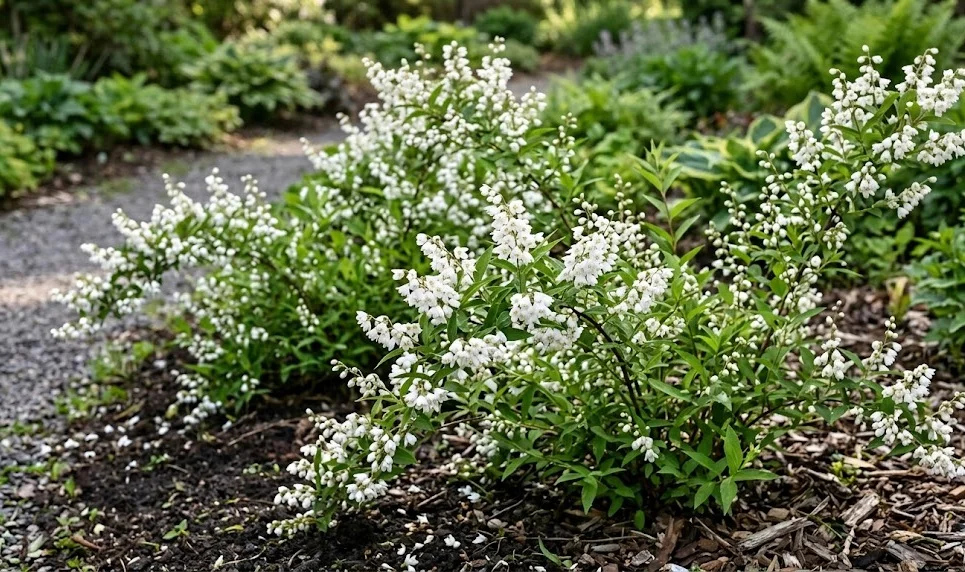

The amount of sunlight a plant receives is often the most significant factor in its ability to grow, bloom, and remain healthy over the long term. You must carefully evaluate the light conditions in your garden to find the perfect spot for this elegant ornamental shrub. A professional understanding of how light changes throughout the day and the seasons will help you maximize the beauty of your landscape. By matching the plant’s needs with the right environment, you ensure a spectacular floral show every year.
Finding the balance between too much sun and too much shade is a classic challenge for any dedicated gardener working with this specific variety. While the plant loves bright conditions, the intense heat of a midsummer afternoon can sometimes be a bit overwhelming for its delicate foliage and flowers. You should aim for a location that provides plenty of morning light followed by some filtered shade during the hottest part of the day. This professional strategy prevents leaf scorch and keeps the blossoms looking fresh and vibrant for as long as possible.
The orientation of your garden and the presence of nearby structures or large trees will all influence the light patterns available to your plants. You should spend some time observing how the shadows move across your yard during different times of the day before you decide on a permanent planting site. An expert approach involves long-term planning, as a spot that is sunny in the spring might become quite shaded once the surrounding trees have fully leafed out. Being aware of these seasonal shifts is key to successful garden design and plant health.
Light intensity also plays a critical role in the development of the shrub’s overall form and the density of its arching branches. In very low light, the plant may become “leggy,” reaching for the sun and producing fewer leaves and flowers than it would in a brighter spot. Conversely, a plant in full, unrestricted sun will grow more compactly but may require much more frequent watering to stay healthy. Professional garden care is about finding the “sweet spot” where the plant can achieve its most beautiful and natural habit.
Optimal sun exposure
For the best possible flowering results, you should provide your shrub with at least six hours of direct sunlight on most days. This level of exposure provides the energy the plant needs to develop the thousands of tiny white buds that make it such a garden favorite. You will find that the flower clusters are much denser and more evenly distributed when the plant is not struggling for light. A professional landscape relies on this consistent and abundant blooming to create a high-impact visual display in the late spring.
More articles on this topic
Morning sun is particularly beneficial because it is bright and energizing without being accompanied by the extreme heat of the afternoon. It also helps to dry the morning dew from the leaves quickly, which is a vital part of preventing common fungal diseases like powdery mildew. If you can place your shrub on the eastern or southeastern side of a building or a taller hedge, you are providing it with an ideal professional environment. This positioning takes advantage of the best light while offering protection from the most stressful conditions.
In regions with cooler climates or shorter growing seasons, the shrub can often handle more direct sun throughout the entire day. The lower overall temperatures mean that the risk of heat stress and leaf burn is much lower than it would be in a southern or more Mediterranean climate. You should always consider your specific local conditions when interpreting general light requirements for any ornamental species. Professional gardening is a local art form that requires adapting general principles to the reality of your own backyard.
If you notice that your shrub is leaning heavily in one direction, it is a clear sign that it is trying to reach toward a stronger source of light. This can lead to an asymmetrical and unattractive shape that is difficult to correct once the plant has matured. You can try to mitigate this by occasionally turning container-grown plants or by carefully pruning the side that is getting less light to encourage more balanced growth. Maintaining a symmetrical and healthy form is a hallmark of an expert and attentive gardener.
Managing partial shade
While the slender deutzia is capable of growing in partially shaded areas, you must be prepared for some trade-offs in its overall performance. You will likely see fewer flowers and a more open, airy habit compared to a specimen grown in full sun. However, in many garden designs, this softer and more subtle look is exactly what a professional designer is looking to achieve. Partial shade can also provide a valuable refuge for the plant in areas where the summer sun is exceptionally intense and damaging.
More articles on this topic
Dappled shade, such as the light that filters through the canopy of a large, high-branched tree, is often an excellent environment for this shrub. It provides a constant mix of light and shadow that prevents the soil from drying out too quickly while still allowing for some photosynthesis. You should monitor the plant closely to make sure it is still getting enough “total light” to maintain its health and vigor throughout the year. If the canopy becomes too thick over time, you may need to perform some professional thinning of the overhead branches.
In very shady spots, the risk of moisture-related issues increases because the leaves and the soil stay damp for much longer after a rain. You must be even more diligent about providing excellent air circulation and avoiding overhead watering in these areas of your garden. A professional approach involves recognizing the unique challenges of each microclimate and adjusting your maintenance routine accordingly. Shady gardens can be incredibly beautiful and serene, but they require a different set of skills to manage effectively.
If you find that your plant is truly struggling in a shady location, do not be afraid to move it to a brighter spot during the dormant season. Most shrubs of this size can be successfully transplanted if you take care to preserve as much of the root ball as possible. Moving a struggling plant is often the most professional and compassionate choice you can make for its long-term survival. Watching a previously languishing shrub thrive in a new, sunnier home is a very rewarding experience for any dedicated gardener.
Effects of light on blooming
The duration and quality of the blooming period are directly linked to the amount of light the plant has been able to store during the previous growing season. The shrub sets its flower buds on the wood it produced last year, meaning its health and light exposure throughout the entire summer are important. You should aim for a consistent light environment to ensure that the plant has the resources it needs to create a spectacular show the following spring. Professional care is a year-round commitment that pays dividends in every beautiful blossom.
Light also influences the color and longevity of the flowers once they have opened on the arching stems. In very intense sun, the pure white blossoms can sometimes fade more quickly or develop a slightly browned appearance at the edges of the petals. A bit of light afternoon shade can help to preserve the pristine look of the flowers and extend the overall blooming window by several days. This level of professional attention to detail makes a significant difference in the aesthetic quality of your spring garden.
As the summer progresses and the blooming finishes, the plant relies on light to fuel the growth of the new stems that will carry next year’s flowers. You should make sure that the foliage is not being shaded out by faster-growing perennials or annuals that may have been planted nearby. Regularly clearing away any competing vegetation ensures that your shrub remains the centerpiece of the border and has all the light it needs. Maintaining clear boundaries and ample space is a key part of an expert and professional landscape design.
Ultimately, your goal is to create a light environment that allows the natural beauty and graceful form of the shrub to shine through. Whether you have a bright, open yard or a more shaded woodland garden, there is likely a place where this versatile plant can find its home. By paying close attention to the light patterns in your space and responding to the needs of the plant, you will achieve professional results. With the right light and expert care, your slender deutzia will be a highlight of your garden for many years to come.