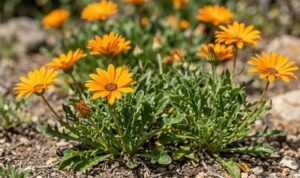
Light is the primary energy source for all plants, and for a species that grows as rapidly and as tall as the plume poppy, its importance cannot be overstated. To achieve its full architectural stature and produce those characteristic smoky plumes, the plant needs access to abundant sunlight throughout the day. In its natural habitat, it often grows in open areas or at the edges of woodlands where it can reach toward the sky without being shaded by larger trees. Understanding how light interacts with the plant’s biology will help you choose the perfect location for it in your own garden. A well-lit plant is a strong plant, capable of supporting its own massive weight and resisting environmental stressors.
The ideal situation for this perennial is a spot that receives full sun for at least six to eight hours each day. This level of light intensity ensures that the stems grow strong and thick, providing the necessary support for the large, heavy leaves and flower heads. In lower light conditions, the plant may become “leggy,” meaning the stems grow longer and thinner as they stretch toward the source of light. These weakened stems are much more likely to flop over or break, requiring more intensive staking and maintenance. Providing the right amount of sun from the start is the best way to ensure a low-maintenance and visually stunning specimen.
Sunlight also plays a critical role in the development of the unique silver-green or glaucous color of the foliage. The waxy coating on the leaves that produces this hue is a natural defense against intense radiation and moisture loss. When grown in a sunny position, this color is much more pronounced, giving the plant its distinctive and highly prized appearance in the landscape. In the shade, the leaves may take on a more mundane green tone and lose the luminescent quality that makes them so attractive. By prioritizing light, you are maximizing the ornamental value of one of the garden’s most impressive architectural features.
While the plant is sun-loving, it is also adaptable enough to handle a small amount of partial shade, particularly in very hot climates. In regions with intense afternoon sun, a bit of dappled shade during the hottest part of the day can help prevent the leaves from wilting or scorching. However, the overall daily light total should still be high to maintain the plant’s vigor and structural integrity. Monitoring how the light moves through your garden at different times of the year will help you identify these subtle microclimates. Finding that “sweet spot” of abundant light with a touch of protection is a hallmark of an expert gardener’s touch.
Adapting to partial shade and site limitations
If your garden does not have a location with full, unobstructed sun, you can still grow this plant successfully by making a few adjustments. In partial shade, the growth may be slightly slower, and the ultimate height of the plant might be a bit less than those grown in full sun. You should be prepared to provide more robust staking, as the stems will naturally be less sturdy than their sun-drenched counterparts. Choosing a site that gets the most intense light in either the morning or the afternoon can help compensate for a lack of total sun hours. Even in less-than-ideal conditions, the plume poppy remains a dramatic and worthwhile addition to the border.
More articles on this topic
When planting in a shadier spot, it is even more important to ensure that the soil is rich in nutrients and that competition from other plants is minimized. Because the plant is getting less energy from the sun, it needs to be able to access resources from the ground as efficiently as possible. Regular fertilization and consistent watering will help the plant maintain its health even if its light levels are a bit lower than optimal. You should also be more vigilant about air circulation in shadier areas, as the leaves may stay damp for longer, increasing the risk of fungal issues. A little extra attention can go a long way in helping a plant thrive in a challenging location.
The surrounding plants can also affect the quality of light your plume poppy receives as the seasons progress. In the spring, when the trees are still bare, the plant may get plenty of sun, but this can change quickly as the canopy fills in. You should consider the long-term changes in your garden’s light patterns when choosing a permanent home for such a long-lived perennial. If a nearby shrub or tree is starting to cast too much shade, a bit of strategic pruning can often restore the light levels your poppy needs. Managing the light in your garden is an ongoing process of observation and adjustment.
Another factor to consider in shaded or partially shaded sites is the impact on the flowering period and quality. Sun-grown plants will typically produce larger and more numerous flower plumes that last for a longer period during the summer. In the shade, the flowering may be more sparse, and the plumes may not develop that beautiful, smoky color as fully. If your primary goal is the floral display, prioritizing a sunny location is essential for the best results. However, if you primarily value the plant for its architectural foliage, it can still perform a vital role in a more shaded part of the landscape.
Light and foliage color and garden placement
The interplay between light and foliage color is one of the most fascinating aspects of growing this species. The way the leaves reflect and interact with the sun’s rays can change the entire mood of a garden bed throughout the day. In the bright light of midday, the silver tones are at their most brilliant, creating a cool and sophisticated atmosphere. As the sun sets and the light becomes warmer and more golden, the foliage takes on a different, almost ethereal quality. Understanding these visual shifts allows you to use the plant as a dynamic element in your overall garden design.
More articles on this topic
Placement within the garden should take advantage of these light-dependent qualities to create the most impact. Placing the plume poppy where it can be backlit by the morning or evening sun can highlight the intricate shape of the lobed leaves. This “rim lighting” effect makes the plant appear to glow and emphasizes its dramatic, vertical form against darker backgrounds. You might also consider how the shadows of the large leaves will play across neighboring plants or garden paths. These subtle design details are what elevate a good garden into a truly professional and artistic landscape.
In very large gardens, you can use groups of these plants to create rhythm and lead the eye toward the sunniest parts of the space. Their height and unique color act as a visual anchor that can be seen from a great distance, providing a sense of structure and purpose. By aligning these plants with the natural path of the sun, you ensure they are always shown in their best light. This intentional use of environmental factors is a key skill for any gardener looking to create a cohesive and impactful outdoor environment. The rewards for your thoughtful placement will be a garden that feels both balanced and alive.
Finally, remember that the light requirements of the plant can also influence the types of companions you choose to plant alongside it. Sun-loving perennials with contrasting foliage colors, like dark-leaved sedums or vibrant ornamental grasses, make excellent partners. These combinations thrive in the same conditions and create a visually rich and diverse plant community. By building your garden around the fundamental needs of your star performers, you create a resilient and beautiful landscape that works with the environment. Light is the thread that connects all the elements of your garden, and the plume poppy is one of its most spectacular beneficiaries.