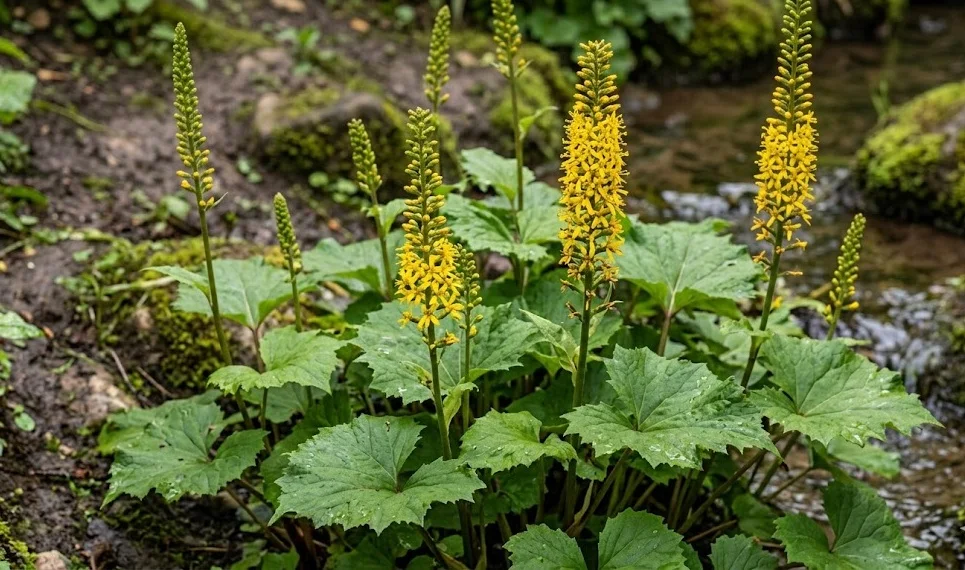

Understanding the specific light needs of the narrow-spiked ligularia is essential for maintaining its dramatic foliage and tall flower spikes. This plant is a true child of the shade, having evolved in the cool undergrowth of woodland edges and along shaded stream banks. If it is exposed to too much direct sunlight, the large leaves will quickly suffer from desiccation and thermal stress. A professional gardener knows exactly how to balance the available light to keep this perennial looking its absolute best.
The ideal lighting condition for this species is often described as “dappled shade” or “part sun,” meaning it enjoys filtered light through a canopy of trees. Direct morning sun is usually acceptable because the air temperatures are lower and the humidity is typically higher. However, the harsh rays of the afternoon sun can be devastating, causing the leaves to wilt even if the soil is wet. Finding a spot that offers protection during the hottest hours of the day is the first step toward success.
If you are forced to plant in a sunnier location, you must be prepared to compensate with significantly more water. The plant uses its leaves to evaporate water as a way to cool itself down, a process that accelerates rapidly in bright light. Without a constant supply of moisture, the edges of the leaves will turn brown and brittle, a condition known as leaf scorch. In very hot climates, full shade might actually be the safest option for the long-term health of the specimen.
Interestingly, too much deep shade can also have its drawbacks, primarily in the form of reduced flowering. While the leaves will stay lush and green in a dark corner, the plant may not produce as many of its iconic yellow spikes. There is a “sweet spot” of light where the foliage remains turgid but there is enough energy for a spectacular floral display. Observing your plants over a full season will help you determine if they are in the perfect location or if they need a move.
Finding the balance of shade
The quality of shade in your garden can vary significantly depending on the types of trees and structures nearby. High, filtered shade from large deciduous trees is often the most beneficial environment for these perennials. This allows for plenty of indirect light to reach the ground while blocking the direct intensity of the sun’s rays. Building a planting scheme around this type of light profile creates a natural woodland feel that the ligularia loves.
More articles on this topic
Solid shade from a wall or a building is also a viable option, but you should be aware of the “rain shadow” effect. These structures can block not only the light but also the rain, leading to surprisingly dry soil right next to the foundation. You may need to provide extra irrigation to plants located in these shadows to make up for the lack of natural precipitation. Monitoring the soil moisture in these specific zones is a professional necessity.
As the seasons change, the angle of the sun and the density of the tree canopy will also shift. A spot that is perfectly shaded in the early spring might become quite sunny by mid-summer as the sun moves higher in the sky. Conversely, the arrival of autumn leaves can suddenly open up a shaded area to more direct light. Understanding these seasonal dynamics allows you to anticipate when your plants might need extra attention or temporary shading.
You can also use other tall perennials or shrubs to create “living shade” for your moisture-loving plants. Planting a taller, sun-tolerant species to the south or west of your ligularia can provide a natural shield from the afternoon heat. This layered approach to planting not only protects the more delicate species but also adds depth and complexity to your garden design. It is a classic technique used in professional landscape architecture to manage microclimates.
Effects of direct sunlight
When the narrow-spiked ligularia is exposed to direct sunlight, its immediate reaction is a tactical wilt to save moisture. By drooping its leaves, the plant reduces the surface area exposed to the sun and slows down the rate of transpiration. While this is a helpful survival mechanism, it is not something you want to see every day in a ornamental garden. Constant wilting stresses the plant and can lead to smaller growth and a shorter lifespan over time.
More articles on this topic
Overexposure to sun often manifests as a bleaching of the leaf color, where the deep green turns into a pale, yellowish-green. This is a sign that the chlorophyll is being damaged by the intensity of the light and the plant is struggling to photosynthesize. If you notice this change, it is a clear indication that the plant needs more shade to thrive. Moving the plant to a more protected location is usually the only permanent solution for this problem.
Leaf scorch is the permanent damage that occurs when the sun actually burns the edges of the foliage. Once these brown, crispy edges appear, they will not turn green again, and you must wait for new leaves to grow to restore the plant’s beauty. In extreme cases, the entire leaf can turn brown and die back prematurely in the middle of the summer. This not only looks unprofessional but also weakens the plant’s ability to store energy for the following year.
If you have a specimen that is suffering in the sun, you can provide temporary relief with a shade cloth or a strategically placed garden umbrella. This can be especially useful during an unexpected heatwave or if a nearby tree has been removed, suddenly exposing the garden. Long-term, you might consider planting a fast-growing shrub or installing a trellis to restore the necessary shade. Being proactive about light management will save you a lot of frustration and plant loss.
Seasonal changes in lighting
The light requirements of the plant are not static throughout the year and change as it moves through its growth stages. In the early spring, more light is often tolerated because the temperatures are cool and the soil is naturally saturated. This early light helps warm the ground and encourages the first shoots to emerge from their winter dormancy. As the air warms up, however, the need for shade becomes much more critical for the expanding foliage.
During the flowering phase in mid to late summer, the plant is at its most demanding regarding both light and water. The tall flower spikes need enough energy to develop their vibrant yellow color, which requires a certain level of indirect light. If the shade is too dense, the spikes may be shorter and the individual flowers less numerous. Finding that perfect balance ensures that your garden remains a showstopper during the peak of the season.
In the autumn, as the sun sits lower in the sky, the shadows in your garden will lengthen significantly. The plant is beginning to wind down and is less sensitive to the sun than it was during the heat of July. You will notice the leaves taking on more muted tones as they prepare for the coming cold. This natural transition is a signal that the plant’s light-gathering work is done for the year.
Reflecting on the lighting in your garden at the end of each season helps you become a more intuitive gardener. Take notes on which plants thrived and which ones looked stressed during the hottest months of the year. You may find that moving a plant just a meter or two can make a massive difference in its health and appearance. Light is one of the most powerful tools in your gardening arsenal, and mastering its use is a mark of true professional expertise.