
The quality and quantity of light that a plant receives are the primary drivers of its photosynthetic capacity and overall growth habit. For the lady’s mantle, finding the perfect balance of sun and shade is essential for maintaining both its health and its unique aesthetic appeal. While it is a versatile species that can adapt to various light conditions, its performance can vary significantly depending on its exposure to solar radiation. This article provides a professional analysis of the light requirements for this perennial and how to manage them in your landscape for the best results.
Understanding the nuances of light in your garden requires observation throughout the day and across the different seasons of the year. You must consider how the angle of the sun changes and how the shadows from buildings or larger trees shift as the months progress. Light is not just about brightness; it is also about the duration of exposure and the intensity of the rays during the peak hours of the afternoon. By mastering these environmental factors, you can place your perennials in the locations where they will truly shine and reach their full potential.
In many regions, the intensity of the sun can be a double-edged sword for plants with delicate foliage like the lady’s mantle. You should know that while some sun is necessary for strong growth and flowering, too much direct exposure can lead to scorched leaves and a loss of vigor. Finding the “sweet spot” of light often involves a trial-and-error process as you learn the specific characteristics of your own property’s microclimate. A professional gardener is always willing to move a plant if its current location is proving to be either too dark or too intensely lit.
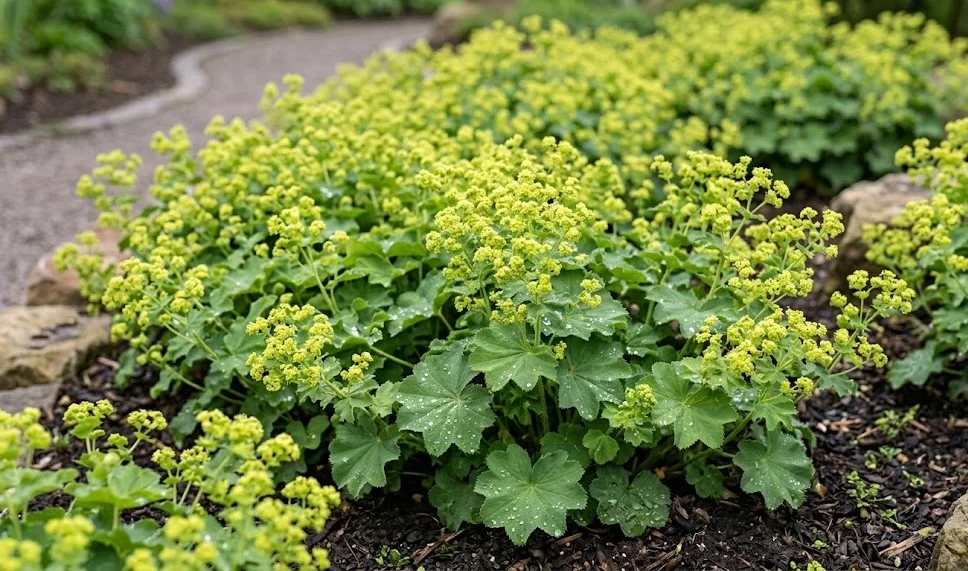
The way light interacts with the unique texture of the foliage is one of the most celebrated features of this particular species. You will notice how the morning sun catches the water droplets on the leaves, creating a sparkling effect that is a highlight of many garden designs. Managing light is therefore not just a physiological requirement but also an aesthetic opportunity to create visual interest in your landscape. This guide will help you understand the technical aspects of light management while also appreciating the beauty it brings to your horticultural projects.
Full sun vs partial shade
The lady’s mantle is often described as a plant that thrives in partial shade, but its actual tolerance for full sun can vary depending on your local climate. In cooler, northern regions, you might find that it can handle a full day of sunlight as long as the soil remains consistently moist and fertile. However, in hotter southern areas, providing some protection from the intense afternoon sun is almost always necessary to prevent the leaves from becoming brown and crispy. You should evaluate your own regional climate and adjust your planting locations based on these important temperature and light factors.
More articles on this topic
Partial shade is generally considered the ideal condition for this perennial because it offers a balance between growth energy and protection from heat stress. You should look for areas that receive bright, indirect light for most of the day or direct sunlight only during the cooler morning hours. Under these conditions, the leaves will maintain their vibrant green color and the plant will produce a healthy abundance of its characteristic chartreuse flowers. This balance ensures that the plant remains a lush and attractive part of your garden borders without requiring excessive maintenance or extra watering.
In full shade, the lady’s mantle will survive but its growth habit may become more open and leggy as it stretches toward the available light. You might also notice a decrease in the number of flowers produced and a potentially slower rate of expansion for the clump over several years. While it can be a useful plant for brightening up darker corners of the garden, you should manage your expectations for its performance in deep shade. Proper spacing and soil preparation become even more important in these less-than-ideal light conditions to ensure the plant remains as healthy as possible.
Monitoring the plant’s response to its current light exposure is the best way to determine if it is in the right location for its specific needs. You should look for signs of sun-scald, such as bleached or brown patches on the upper surfaces of the leaves, which suggest the sun is too intense. Conversely, if the plant seems weak and is failing to thrive despite good soil and water, it may not be receiving enough light to support its metabolic processes. Don’t be afraid to experiment with different locations until you find the perfect balance for your garden’s specific environment and the plant’s health.
Adapting to extreme light conditions
Managing your garden during periods of extreme weather requires a flexible and proactive approach to light and temperature control. During intense heatwaves, the amount of light the plant receives is often less important than the heat that accompanies it, requiring you to step in with extra care. You can use temporary shade structures or strategically placed taller plants to provide a “nurse” environment that protects the delicate foliage from the harshest rays. This temporary intervention can be the difference between a thriving perennial and one that is severely damaged by environmental stress.
More articles on this topic
In areas with very high light intensity, you might consider using specialized horticultural shade cloth to filter the sun and reduce the overall UV load on your plants. This professional-grade material comes in various densities, allowing you to customize the amount of light that reaches your garden beds based on your needs. While it may not be practical for an entire landscape, it can be very effective for protecting a particularly valuable or sensitive collection of perennials. Using these tools demonstrates a high level of commitment to the long-term health and beauty of your horticultural projects.
The reflection of light from nearby surfaces like white walls or large windows can also significantly increase the intensity of the light in certain parts of your garden. You should be aware of these “hot spots” and avoid placing the lady’s mantle in areas where reflected light could exacerbate heat stress on the foliage. Sometimes, just moving a plant a few feet away from a reflective surface can make a dramatic difference in its overall health and appearance. Paying attention to these subtle environmental details is what separates a good gardener from a truly great one.
As the seasons change, the availability of light in your garden will naturally fluctuate, and you should be prepared to adjust your management accordingly. In the early spring, before the deciduous trees have fully leafed out, your perennials may be exposed to much more sun than they will receive in the height of summer. This early season light is usually beneficial for stimulating new growth, but you should still keep an eye on soil moisture to prevent the young shoots from drying out. Understanding these seasonal light patterns allows you to plan your garden more effectively and anticipate the needs of your plants throughout the entire year.
Light exposure and leaf color
The specific wavelength and intensity of the light that reaches your garden can have a measurable impact on the pigmentation and color of the foliage. You will notice that plants grown in brighter conditions often have a more vibrant, yellowish-green hue compared to those grown in deeper shade. This is a natural physiological response as the plant adjusts its chlorophyll levels to match the available energy from the sun. Observing these subtle color shifts can give you a deeper insight into the metabolic state of your lady’s mantle and how well it is adapting to its site.
Light also plays a critical role in the development of the unique hairs on the leaf surface that create the water-beading effect so characteristic of this species. In adequate light, these hairs are typically more numerous and well-developed, allowing the plant to better manage its internal moisture and reflect excess solar radiation. If the light is too low, the leaves may become thinner and less textured, losing some of the aesthetic appeal that makes them so popular in garden design. Ensuring proper light exposure is therefore essential for maintaining the structural integrity and visual quality of the foliage.
The timing of the light—whether it is morning or afternoon sun—can also influence the overall health and appearance of the plant over the growing season. Morning sun is generally much gentler and is highly effective at drying off the overnight dew, which helps to prevent fungal diseases from establishing on the leaves. Afternoon sun, on the other hand, is much more intense and can quickly lead to heat stress and moisture loss if the plant is not properly supported. Designing your garden to maximize morning light and provide afternoon protection is a wise professional strategy for most perennial species.
Finally, you should consider the role of light in the transition to dormancy and the plant’s preparation for the winter months ahead. The decreasing day length in the autumn is a primary signal for the plant to begin moving its energy reserves down into the roots and hardening off its tissues. Ensuring that the plant receives clear light signals during this phase is important for a successful and timely entry into dormancy. By managing light through all stages of the plant’s lifecycle, you are supporting its natural biological rhythms and ensuring its long-term success in your landscape.