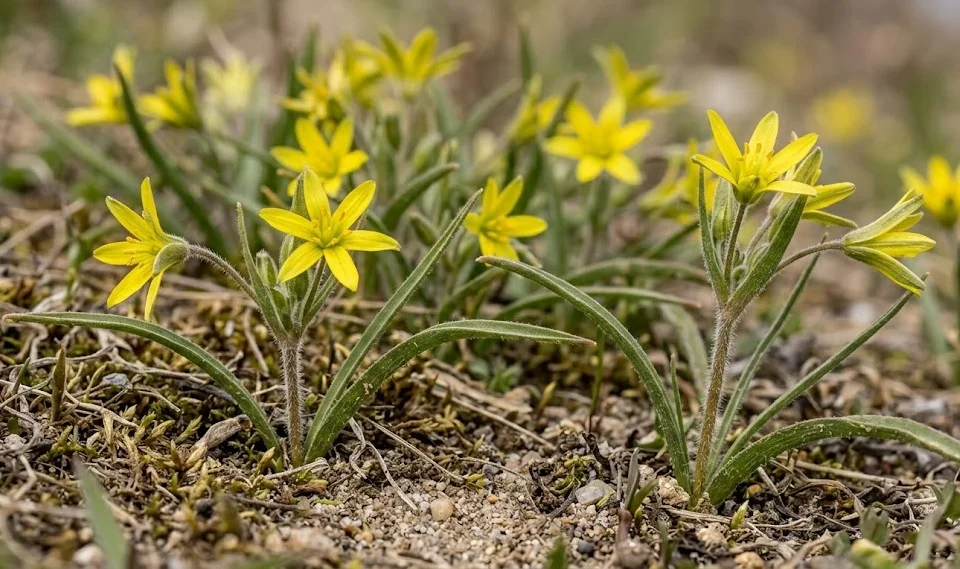

The availability and quality of light are the primary drivers of growth, flowering, and energy storage for this specialized spring ephemeral. Because it completes its entire above-ground lifecycle in a matter of weeks, it must maximize its photosynthetic efficiency during the brief window when the sun is at the right angle and the canopy is open. Understanding the nuances of light intensity, duration, and the effects of competition is essential for any professional gardener who wishes to cultivate these plants successfully. A deep knowledge of these requirements allows for strategic placement that ensures the health and longevity of the colony.
In its natural habitat, this species is often found in open woodlands, meadows, and along the edges of agricultural fields where it can access early spring sunlight. It has evolved to take advantage of the time before deciduous trees and larger perennials develop their leaves and create a dense shade. This means that the plants require a high level of direct or very bright filtered light during the months of March and April. If the light levels are too low during this critical period, the plants will become weak and may fail to produce their characteristic yellow blooms.
The intensity of the light is just as important as the number of hours the plant is exposed to the sun each day. Full sun is generally preferred, as it provides the energy needed for the rapid production of leaves and flowers. However, in regions with very intense early spring sun, some light dappled shade during the hottest part of the afternoon can help prevent the delicate foliage from drying out too quickly. Finding the right balance between maximum energy and environmental stress is the key to professional-level site selection.
As the season progresses and the days get longer, the light requirements of the plant shift along with its physiological changes. Once the flowering is finished, the plant still needs light to store energy in its bulb for the following year, but it can tolerate a gradual increase in shade from neighboring plants. This natural transition fits perfectly with the lifecycle of many deciduous garden plants, making the star-of-Bethlehem an ideal companion for a diverse landscape. Respecting this light-driven rhythm is fundamental to the long-term success of the species in a managed setting.
Sunlight and photosynthesis
Photosynthesis is the engine that drives the entire lifecycle of the hairy star-of-Bethlehem, transforming light energy into the chemical energy stored in the bulb. Because the plant’s active period is so short, its leaves are exceptionally efficient at capturing as much sunlight as possible in a short amount of time. This is why the leaves must be kept healthy and unobstructed by weeds or debris during their brief appearance above the ground. Any reduction in the leaf area or the amount of light reaching the leaves directly impacts the plant’s future vigor.
More articles on this topic
The angle of the sun in the early spring is relatively low, which means that the light can penetrate deep into the landscape and reach the ground level even in wooded areas. This is the ecological niche that the star-of-Bethlehem has mastered, appearing at the perfect moment to capitalize on this transient light source. In a garden setting, you should ensure that the chosen site is not blocked by evergreen trees or structures that provide year-round deep shade. The plants need that low-angle, direct spring sunlight to trigger their emergence and flowering processes.
A lack of sufficient light during the growing phase often results in “etiolation,” where the plant becomes elongated, pale, and weak as it searches for a light source. Etiolated plants are much more susceptible to damage from wind and rain, and they rarely have the energy to produce high-quality seeds or a healthy bulb for next year. If you notice your plants are looking unusually tall and spindly, it is a clear sign that they are not receiving enough light in their current location. Professional intervention may be needed to either move the plants or thin out the surrounding vegetation.
The quality of the light, specifically the spectrum of colors it contains, also plays a role in the plant’s development and flowering. Natural sunlight provides a full range of wavelengths that are necessary for various metabolic processes, including the production of the pigments that give the flowers their bright yellow color. While artificial light can be used in laboratory or nursery settings, nothing compares to the power and complexity of the sun. A professional gardener respects this fundamental relationship between the star and the sun that powers it.
Adapting to partial shade
While full sun is ideal, the hairy star-of-Bethlehem is remarkably adaptable and can thrive in areas that receive partial shade, especially if it is the bright, shifting shade of deciduous trees. In these environments, the plants receive bursts of direct sunlight followed by periods of cooler, filtered light, which can be very beneficial in warmer climates. This microclimate helps keep the soil moisture levels more stable and prevents the plants from overheating during an unseasonably warm spring day. Understanding the difference between “good” shade and “bad” shade is a vital skill for any horticulturist.
More articles on this topic
The most important factor when planting in partial shade is to ensure that the shade is not present during the early morning hours when the plant’s photosynthetic rate is often at its highest. A site that receives four to six hours of direct morning sun followed by dappled afternoon shade is often perfect for this species. This configuration provides the energy needed for growth while offering protection from the drying effects of the late-day sun. Strategic placement on the east side of a building or a large deciduous shrub can achieve this balance beautifully.
Deep, permanent shade from evergreen trees like pines or cedars is generally unsuitable for this species, as it never allows the necessary light to reach the forest floor. In such environments, the bulbs may survive for a year or two on their stored reserves but will eventually dwindle and disappear. If you are determined to grow them in a more shaded garden, consider using “limbing up” techniques to remove the lower branches of trees and allow more light to penetrate to the ground. This professional arboricultural practice can transform a dark corner into a vibrant spring habitat.
Observing how the light patterns in your garden change throughout the day and across the seasons is a fascinating and essential part of professional plant management. You can use simple tools like sun-trackers or even just a series of photos taken at different times to map the light availability in your potential planting sites. This data-driven approach takes the guesswork out of gardening and ensures that each plant is placed in an environment where it can truly shine. A thoughtful gardener is always a student of the light.
Measuring and managing light intensity
For those who want to take a more technical approach, light intensity can be measured using a digital light meter that records the amount of photosynthetic active radiation (PAR) reaching the soil surface. This data provides a precise measurement of the energy available to the plants, allowing for very accurate comparisons between different locations in the garden. While not necessary for every hobbyist, this level of detail is common in professional agricultural research and high-end landscape management. Knowing the exact light profile of a site allows for the most successful and predictable results.
Managing light intensity in the garden often involves a delicate balance of pruning and thinning the surrounding vegetation to maintain the perfect environment. This might include cutting back perennial grasses in the late winter or removing the previous year’s dead stems from nearby shrubs. These activities ensure that nothing is blocking the path of the sun to the emerging star-of-Bethlehem shoots. A clean and well-maintained site is the best way to ensure that every photon of light is available for the plants to use.
The color and texture of the surrounding mulch or soil can also influence the light environment by reflecting some of the sunlight back up onto the undersides of the leaves. Light-colored mulches, such as straw or light-colored grit, can increase the total light availability for the plants in a subtle but measurable way. This “bounce light” can be particularly helpful in slightly shaded areas where every little bit of extra energy counts. Professional gardeners often use these subtle environmental cues to give their plants a small but important competitive edge.
Finally, always remember that the light requirements of the plant are intrinsically linked to its water and nutrient needs. A plant in full sun will photosynthesize faster and use more water and nutrients than one in a more shaded position. Therefore, your irrigation and fertilization schedules should be adjusted based on the light levels of each specific planting site. This holistic understanding of the plant’s interaction with its environment is what characterizes a professional approach to horticulture. A healthy plant is the result of many small, well-timed decisions about light, water, and care.