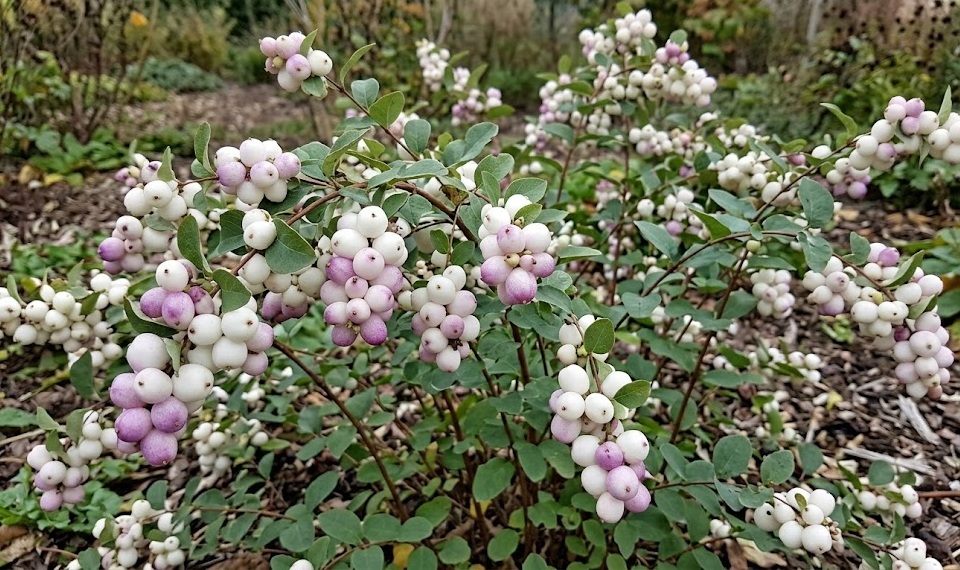

Understanding the light requirements of the garden snowberry is essential for maximizing its growth and the production of its iconic white fruit. While this shrub is celebrated for its remarkable adaptability to various light conditions, its performance can vary significantly depending on where it is placed. You should aim to find a location that balances the plant’s need for energy with its tolerance for shade. By mastering the nuances of light exposure, you can ensure your snowberry remains a healthy and visually striking element of your landscape design.
The ideal light condition for the garden snowberry is full sun to partial shade, which typically means four to six hours of direct sunlight each day. In these conditions, the plant will develop a dense, compact habit and produce the highest volume of berries. Sunlight provides the energy needed for robust photosynthesis, which in turn fuels the development of strong stems and vibrant leaves. You will notice that plants grown in brighter spots often have a more upright and architectural form than those in deep shade.
However, one of the greatest strengths of this shrub is its ability to thrive in areas where many other ornamental plants struggle. It is frequently used in woodland gardens or on the north side of buildings where direct sunlight is limited. While the plant will still grow well in these shaded spots, its habit may become slightly more open and loose over time. You should expect fewer berries in deep shade, although the plant will still contribute valuable green foliage to your garden’s understory.
In regions with extremely hot summers, some afternoon shade can actually be beneficial to protect the leaves from scorching. Intense, direct sunlight during the hottest part of the day can sometimes stress the plant, especially if the soil is not consistently moist. Observing how the light moves across your garden throughout the day will help you identify the perfect “sweet spot” for your shrub. This professional level of site analysis is the first step toward achieving horticultural excellence in your outdoor space.
Balancing light and moisture levels
The relationship between light exposure and soil moisture is a critical factor in the health of the garden snowberry. Plants grown in full sun will naturally transpire more water, meaning they require more frequent irrigation to stay hydrated. You must ensure that the soil remains consistently moist but well-drained in these brighter locations to avoid drought stress. Conversely, plants in shaded areas will hold onto moisture longer, and you should be careful not to over-water them to prevent root rot.
More articles on this topic
The density of the canopy also changes in response to the available light, which in turn affects how water reaches the roots. In sunnier spots, the thick foliage can sometimes act as an umbrella, preventing light rain from reaching the soil directly beneath the plant. You should check the moisture levels at the base of the shrub regularly, regardless of the light conditions, to ensure it is receiving what it needs. A professional gardener learns to adjust their watering habits based on the microclimate created by the plant’s position.
Light also influences the timing of the plant’s seasonal transitions, such as flowering and the ripening of berries. Shrubs in sunnier positions will often flower earlier and the berries may reach their full size sooner than those in shaded areas. This variation is perfectly normal and can even be used to your advantage by planting snowberries in different parts of the garden to extend the overall season of interest. Understanding these natural rhythms helps you manage expectations and plan your garden maintenance more effectively.
If you find that your snowberry is becoming too leggy or is producing very few berries, it may be a sign that it is receiving too little light. In such cases, you might consider thinning out overhanging branches from nearby trees to allow more sunlight to reach the shrub. Small adjustments to the surrounding environment can often make a dramatic difference in the vitality of the plant without the need for relocation. This proactive approach to light management ensures that your snowberry remains a productive and healthy part of your collection.
Adapting to changing light through the seasons
The amount of light reaching your snowberry will naturally fluctuate throughout the year as the sun’s angle changes and nearby trees gain or lose their leaves. In the spring, before deciduous trees have fully leafed out, the snowberry may receive a boost of direct sunlight that kickstarts its growth. This early-season light is vital for the development of healthy new shoots and the first set of leaves. You should take advantage of this period to ensure the plant is well-supported with nutrients and water.
More articles on this topic
As summer progresses and the forest canopy closes, the amount of light available to the understory may decrease significantly. The snowberry is well-equipped to handle this transition, using its broad leaves to capture as much filtered light as possible. This ability to adapt to varying light levels is what makes it such a versatile choice for complex, multi-layered garden designs. You will see the plant maintain its lush appearance even as the shadows deepen during the height of the growing season.
In the autumn, as the surrounding trees begin to shed their leaves, the snowberry is once again exposed to more direct light. This coincides with the final ripening of the berries and the plant’s preparation for dormancy. The increased light levels can help the wood to ripen and harden, making it more resilient to the coming winter cold. It is a rewarding time to observe the plant as it becomes a focal point in the garden, no longer hidden by the foliage of its neighbors.
Finally, remember that the garden snowberry is a plant of the edges and clearings, naturally adapted to shifting light patterns. By providing a site that mimics these natural conditions, you allow the shrub to express its full range of ornamental characteristics. Whether your garden is bathed in sun or tucked away in a quiet, shaded corner, the snowberry has the potential to thrive. Your role as a gardener is to provide the consistent care and observation that allows the plant to adapt to its unique environment.