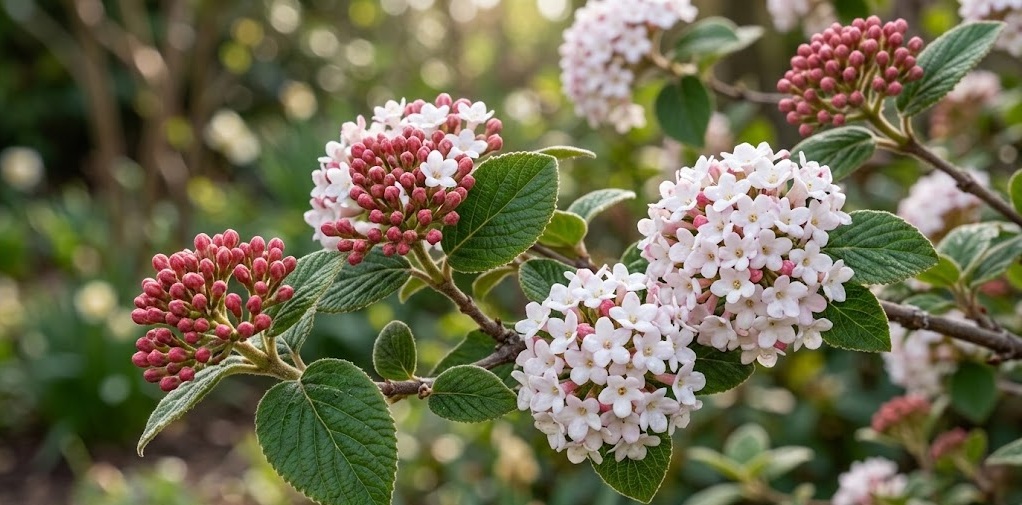

Light requirements are one of the most fundamental factors that will determine the health, growth rate, and flowering success of your fragrance viburnum. You should understand that while this plant is quite adaptable, it has specific preferences that allow it to reach its full aesthetic and aromatic potential. Providing the right balance of sun and shade is a technical skill that requires careful observation of your garden’s unique light patterns throughout the year. This initial positioning is perhaps the most important decision you will make for the long-term success of the shrub.
In general, this species performs best when it receives a significant amount of direct sunlight each day, especially during the morning hours. You will find that full sun exposure encourages a denser growth habit and a more profuse production of the highly scented flower clusters. However, in regions with very hot summers, a bit of protection from the intense afternoon sun can prevent the leaves from becoming scorched or stressed. Finding that “perfect” spot involves balancing these two environmental needs.
The amount of light the plant receives also directly influences the vibrancy of its autumn foliage and the strength of its woody structure. You will notice that shrubs grown in too much shade tend to become “leggy,” with long, thin branches that may struggle to support the weight of the spring blooms. Shady conditions also increase the time the leaves remain wet after rain, which can lead to a higher incidence of fungal diseases. A well-lit plant is generally a much healthier and more resilient plant.
Monitoring how the shadows move across your garden during different seasons will give you the best information for selecting a planting site. You should remember that the angle of the sun changes significantly between the spring when the viburnum is blooming and the height of summer. A spot that looks sunny in March might be in deep shade by July due to the growth of nearby trees or the movement of the sun. Professional placement takes these long-term and seasonal variations into account.
Understanding sun exposure and flowering intensity
The primary reason most people plant the fragrance viburnum is for its incredible spring blooms, and light is the fuel that powers this display. You should aim for at least six hours of direct sunlight per day to ensure the plant has enough energy to produce a large number of flower buds. Without sufficient light, the shrub may still grow and look healthy, but the flowering will be sparse and the fragrance less intense. The relationship between light and flowers is a direct one in the world of horticulture.
More articles on this topic
Morning sun is particularly beneficial because it helps to dry the dew off the leaves quickly, reducing the risk of moisture-related diseases. You should try to position your viburnum where it can soak up the first rays of the day while perhaps being sheltered during the hottest part of the afternoon. This “morning sun, afternoon shade” configuration is often cited by experts as the ideal environment for many flowering shrubs in temperate climates. It provides the energy for growth without the stress of extreme heat.
If you are planting in a location with full, all-day sun, you must be more diligent about your watering and mulching routines to compensate for the increased evaporation. You will see that the plant can handle the intensity if its roots remain cool and hydrated at all times. In these bright spots, the viburnum will often grow more slowly but will develop a very sturdy and compact form. High light levels result in a plant that is physically strong and highly productive.
For those with smaller gardens or urban spaces, the reflected light from light-colored walls or fences can also be a significant factor. You should be aware that this extra light can increase the temperature around the plant and may lead to quicker drying of the soil. While the plant appreciates the brightness, you should monitor it closely for any signs of heat stress. Professional gardening in tight spaces requires a heightened awareness of these localized microclimates.
Shady corner limitations and growth habit changes
Planting a fragrance viburnum in a heavily shaded area is generally not recommended if you want to enjoy its full range of features. You will likely observe that the shrub grows toward the available light, resulting in an asymmetrical and somewhat sparse appearance. The leaves may also be larger and thinner than those on a sun-grown specimen as the plant tries to maximize its limited photosynthetic capacity. While the plant will survive, it will not thrive in the way it was intended.
More articles on this topic
Partial shade, where the plant receives dappled light throughout the day, can be an acceptable compromise in some garden designs. You should look for a spot under the high canopy of deciduous trees where some sunlight still filters through to the ground below. In this environment, the viburnum may bloom a bit later and less intensely, but it can still be a beautiful addition to a woodland-style garden. It is all about managing your expectations and the plant’s natural tendencies.
One technical issue with shadier locations is the increased risk of powdery mildew and other fungal pathogens on the foliage. You should ensure that you provide extra space around the plant to encourage as much air movement as possible to compensate for the lack of drying sun. If you notice a persistent problem with leaf health, it may be a sign that the location is simply too dark for this species. Moving a struggling plant to a sunnier spot can often result in a dramatic improvement in its health.
If you must plant in a spot that is less than ideal, you can use careful pruning to help open up the canopy and allow more light into the center of the shrub. You should also be very careful not to over-fertilize with nitrogen, which would only encourage more of the weak, leggy growth that shade-grown plants are prone to. Expert care in difficult locations involves working with the plant to mitigate the negative effects of its environment. Sometimes, a little extra attention can make a big difference.
Leaf scorch prevention and light-related stress
In the height of summer, even a sun-loving plant like the viburnum can suffer from the effects of too much light and heat. You should look for leaf scorch, which manifests as brown, crispy edges on the leaves, especially on the side of the shrub facing the afternoon sun. This is a sign that the plant is losing moisture through its leaves faster than the roots can supply it. If you see this happening, it is a clear signal that the plant needs more water or some temporary shade.
Providing a “living screen” of taller perennials or a light lattice can help break the intensity of the sun during the most stressful weeks of the year. You should think of this as a temporary intervention rather than a permanent change to the garden’s design. Often, just a few weeks of protection during a particularly hot July can keep the foliage looking green and healthy until the autumn. Professional gardeners are always ready to adapt to the realities of the changing weather.
Sunlight also interacts with the soil temperature, which in turn affects the plant’s ability to function. You should maintain a thick layer of mulch to keep the roots in the dark and cool, even when the top of the plant is in full sun. This contrast between a bright canopy and a cool, dark root zone is the secret to success with many temperate shrubs. It allows the plant to photosynthesize at a high rate without the risk of root death from overheating.
Ultimately, the goal is to find a light environment that supports all the stages of the viburnum’s life cycle. You should be prepared to observe your plant over several seasons to see how it responds to the specific light levels in your garden. If the plant is growing steadily, blooming profusely, and showing good autumn color, you have found the right balance. Trusting your observations and being willing to make adjustments is what makes you an expert in your own garden.