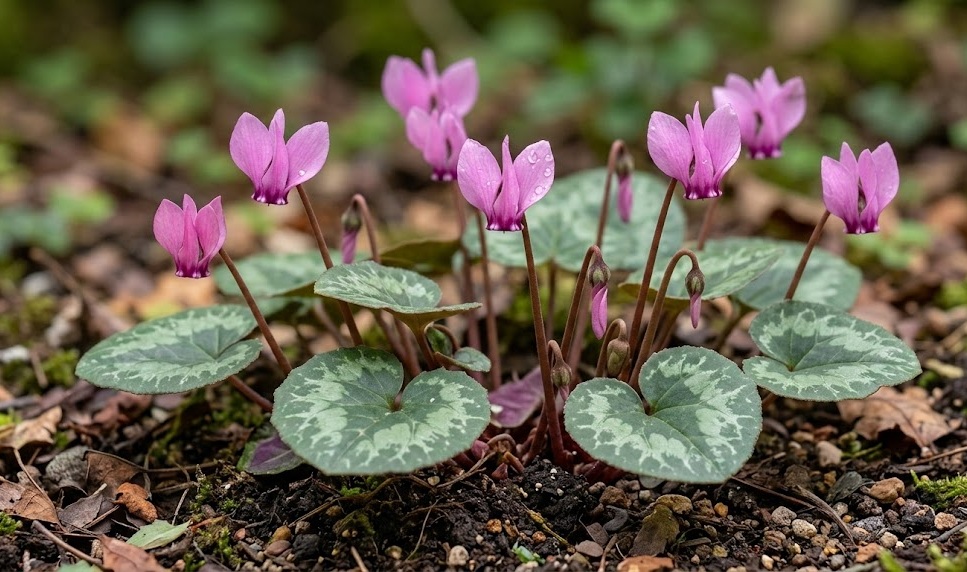

The relationship between the European cyclamen and the sun is one of careful balance and strategic positioning. You must understand that while this plant is categorized as shade-loving, it does not mean it can thrive in total darkness or the deep, windowless corners of a home. In its natural habitat, it enjoys the shifting, dappled light that filters through the leaves of deciduous trees throughout the changing seasons. By mastering the light requirements of this species, you ensure that your plant has the energy it needs for healthy photosynthesis without the risk of damaging solar radiation.
Identifying the optimal light exposure
The ideal light for a European cyclamen is often described as “bright indirect light” or “filtered shade,” which mimics the forest floor. You should aim to place your plants where they can see the sky but are not directly hit by the harsh rays of the sun, especially during the middle of the day. A location that receives a small amount of soft morning sun followed by cool shade for the rest of the day is often the most productive spot. This combination provides the necessary energy for flowering while keeping the leaf temperature within a safe and comfortable range.
In an indoor setting, a north-facing window is usually the best choice, as it provides a consistent, cool light throughout the day. If you only have east or west-facing windows, you should place the plant a few feet back from the glass or use a sheer curtain to diffuse the light. You will notice that the plant will naturally grow toward the light source, so you should rotate the pot a quarter turn every week to maintain a balanced and symmetrical shape. This professional attention to light orientation prevents the plant from becoming lopsided or leaning excessively in one direction.
You can judge the quality of the light by looking at the shadows in the area where you intend to place your cyclamen. A spot with “dappled” light will have soft, blurry shadows that are constantly moving and changing throughout the day. If the shadows are sharp and dark, the light is likely too direct and intense, which could lead to leaf burn and dehydration. Learning to “read” the light in your garden or home is a fundamental skill for any expert gardener and is particularly important for shade-specialist plants like the cyclamen.
If you are planting under trees, you must consider the type of canopy above and how it changes throughout the year. Deciduous trees are perfect because they provide deep shade during the heat of summer but allow more light to reach the ground in the winter and early spring. This natural variation perfectly matches the cyclamen’s own cycle of activity and rest, providing more energy when the plant is most active. Choosing the right “overstory” is a professional landscaping technique that creates a sustainable and healthy microclimate for your woodland perennials.
More articles on this topic
Adjusting light for seasonal cycles
As the seasons change, the angle and intensity of the sun shift significantly, and you must be prepared to adjust your plant’s position accordingly. During the short, dark days of winter, the European cyclamen can handle—and often appreciates—a much higher level of light than it would in the summer. You might move your indoor pots closer to the window or trim back some evergreen foliage in the garden to maximize the available light. This extra energy helps the plant maintain its beautiful leaf patterns and supports any late-season or early-spring blooms.
When spring arrives and the sun becomes stronger, you must be careful not to let the plant get caught in a “heat trap” behind a pane of glass. The magnifying effect of windows can quickly raise the temperature of the leaves to dangerous levels even if the room itself feels cool. You should monitor the foliage for any signs of stress, such as wilting during the day or the development of pale, bleached spots on the leaves. Moving the plant just a few inches back from the glass or providing more ventilation can often solve these early-season light issues.
In the height of summer, the primary goal is to protect the dormant or semi-dormant tuber from the intense heat and drying power of the sun. You should ensure that your cyclamen is in the deepest, coolest shade possible during the months of July and August. In the garden, this might mean the soil surface is never touched by direct sunlight, kept cool by the thick canopy of surrounding plants. This period of deep shade is a vital part of the plant’s rest and helps to preserve the moisture in the tuber for the coming autumn.
As autumn returns and the plant begins its most active phase of the year, you can once again allow it to receive more bright, indirect light. This increase in light triggers the final development of the flower buds and ensures the new leaves have the energy to expand fully. You will find that the colors of the flowers and the marbling of the leaves are much more intense when the plant receives the optimal amount of autumn light. Being responsive to these seasonal light shifts is a professional habit that ensures your cyclamen is always performing at its absolute best.
More articles on this topic
Recognizing and correcting light-related issues
You must be able to recognize when your European cyclamen is telling you that its light levels are not quite right. A plant that is receiving too little light will often develop very long, weak leaf and flower stems as it “stretches” to find a better light source. The leaves may also lose their intricate silver marbling and become a dull, uniform green as the plant tries to maximize its chlorophyll content. If you see this leggy growth, you should gradually move the plant to a brighter location to encourage more compact and robust development.
Too much light, on the other hand, will manifest as physical damage to the leaf tissues, often appearing as dry, brown, or papery patches. This “sunscald” is permanent on the affected leaves, and your only option is to move the plant to a more shaded spot and wait for new growth to emerge. You might also notice that the leaves become unnaturally small and tightly packed, or they may take on a reddish or purplish tint as a form of natural sunblock. These are all signals from the plant that it is struggling to cope with the intensity of the light it is receiving.
Inconsistent light can also cause problems, such as the plant dropping its flower buds before they have a chance to open. If you move a plant from a very dark shop to a bright windowsill, the sudden change in light energy can shock the plant’s system. You should always aim for a gradual transition when changing a plant’s environment, allowing it to adapt over a period of several days. Professional growers often use shade cloth or move plants in stages to ensure they settle into their new light levels without any setbacks.
Ultimately, light management is about observation and minor adjustments rather than drastic changes. You should look at your plants every day and ask yourself if they look happy and well-proportioned in their current spot. If a plant has been in the same location for a year and is thriving, don’t feel the need to move it just because the books say something else. Your own environment is unique, and your cyclamen will eventually show you exactly where it is most comfortable if you take the time to watch and listen.