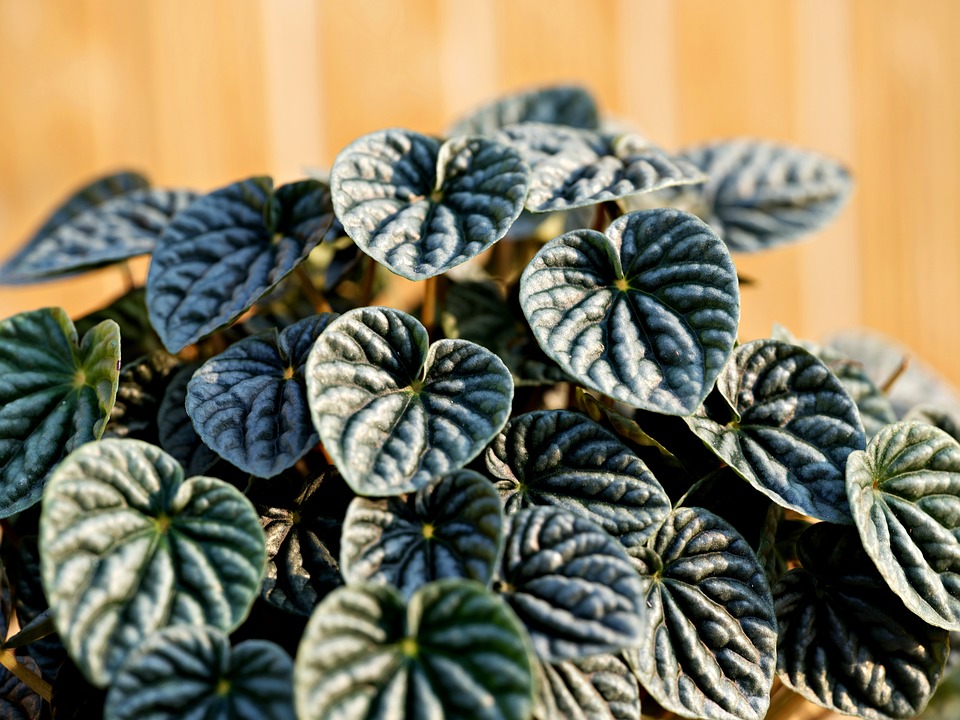

Understanding how light interacts with the emerald ripple peperomia is the key to maintaining its stunning visual appearance and overall vigor. This plant has evolved to live under the canopy of larger trees, meaning it prefers filtered and soft illumination rather than harsh exposure. When you find the perfect light level, the deep ridges and rich colors of the foliage become even more pronounced and beautiful. It is an interesting process to learn how to read the light in your own home through the eyes of your plants.
Direct afternoon sunlight is generally too intense for this variety and can lead to permanent damage to the delicate leaf tissues. You might see the vibrant purples or greens start to fade or even turn a crispy brown if the sun is too strong. Placing a thin, sheer curtain between the plant and the window is an excellent way to soften the light without losing its benefits. This simple adjustment creates the perfect dappled environment that mimics the natural habitat of the species.
On the other hand, providing too little light will result in a plant that looks leggy and sparse as it reaches toward the nearest source of energy. The compact, mounding habit that makes this variety so attractive can be lost if the plant is kept in a dark corner for too long. You want to aim for a spot where you can comfortably read a book for most of the day without needing to turn on a lamp. This level of bright, indirect light is the ideal target for keeping your peperomia looking its best.
Light also plays a major role in how the plant manages its water and nutrient resources throughout the day. A plant in a brighter spot will photosynthesize more quickly and therefore use more water from the soil than one in a shaded area. You must always consider the light levels when deciding whether or not it is time to water your indoor greenery. By aligning your hydration habits with the available light, you create a more balanced and healthy ecosystem for your plants to grow in.
Finding the best location
The orientation of your windows is the most important factor in determining where to place your emerald ripple peperomia for optimal growth. East-facing windows are often considered the gold standard because they provide gentle morning light that isn’t too hot. North-facing windows can also work well, especially in the summer, though they might be a bit too dark during the winter months. Experimenting with different rooms in your house will help you find the microclimate where your plant feels most at home.
More articles on this topic
If you have a large west or south-facing window, you should move the plant a few meters back from the glass to avoid the heat of the day. This allows the plant to benefit from the high volume of light without being subjected to the most damaging and intense rays. You can also use other, larger plants to provide a bit of natural shade for your smaller emerald ripple specimen. Creating a layered indoor garden is a professional technique that helps to regulate light and humidity for all your plants.
You should also be aware of how the changing seasons affect the path of the sun through your living space. A spot that is perfectly shaded in the summer might become a hotspot in the winter when the sun is much lower in the sky. It is a good idea to periodically re-evaluate the placement of your plants to ensure they aren’t being stressed by these seasonal shifts. Being a mobile gardener who moves their pots throughout the year is a sign of a truly dedicated and observant plant owner.
The overall color of your specific variety can also give you a hint about its preferred light levels within your home. Varieties with darker, deeper purple leaves can often handle slightly lower light than those with bright green or variegated foliage. However, even the darkest plants will lose their unique luster if they are kept in a windowless room for an extended period. Paying attention to the vibrancy of the leaf color is the best way to determine if your plant is getting what it needs.
Using artificial light sources
In homes where natural light is limited, artificial grow lights can be a lifesaver for your emerald ripple peperomia collection. Modern LED grow lights are very efficient and can provide the exact spectrum of light that plants need for healthy growth. You can set them on a timer to ensure your plants get a consistent twelve to fourteen hours of illumination every single day. This creates a stable environment that isn’t dependent on the weather or the time of year outside.
More articles on this topic
When using artificial lights, it is important to place them at the correct distance from the foliage to avoid heat damage or light bleaching. Most small LED panels should be kept about thirty to fifty centimeters above the top of the plant for the best results. If you notice the leaves starting to turn pale or if the plant seems to be shrinking away, the light might be too close. Adjusting the height of your lamps is an easy way to fine-tune the growing conditions in your indoor garden.
You can also use regular household LED bulbs if they have a high enough lumen output and the right color temperature. Look for bulbs labeled as “daylight” or with a Kelvin rating of around 5000 to 6500 to mimic the natural sun. While not as specialized as professional grow lights, they can still provide a significant boost to a plant that is struggling in a dark corner. This affordable solution makes indoor gardening accessible to everyone, regardless of their home’s architecture.
Consistency is one of the biggest advantages of using artificial light, as it eliminates the stress caused by cloudy days or short winter afternoons. Your emerald ripple peperomia will reward you with steady growth and a more predictable maintenance schedule when its light source is reliable. You might find that your plants actually look better under grow lights because you can control every aspect of their illumination. It is a modern approach to a traditional hobby that yields fantastic and consistent results.