
Understanding the specific light needs of your plants is one of the most important factors in achieving a professional and vibrant garden landscape. The coralberry is a remarkably adaptable species that can grow in a wide variety of lighting conditions, from full sun to deep shade. However, the amount of light it receives will directly influence its growth habit, the color of its foliage, and the abundance of its characteristic berries. By mastering the balance of light and shadow, you can place this shrub in the perfect location to meet your aesthetic and horticultural goals.
In its natural habitat, this shrub is often found growing along the edges of forests or in open woodlands where the light is filtered. This indicates that the plant has a natural preference for partial shade or dappled sunlight throughout the day. In these conditions, the coralberry tends to develop a graceful, arching form and healthy green foliage that remains vibrant all summer long. Gardeners often use it to fill in those difficult spots where other more sun-demanding plants might struggle to thrive.
If you choose to plant your coralberry in full sun, it is important to understand that its maintenance requirements will change accordingly. While the plant can handle direct sunlight, it will need significantly more water to compensate for the higher rate of transpiration. In very hot climates, full afternoon sun can sometimes lead to leaf scorch, which turns the edges of the foliage brown and crispy. Providing a bit of relief during the hottest part of the day can help maintain the plant’s ornamental appeal.
On the other end of the spectrum, the coralberry is one of the few ornamental shrubs that can tolerate relatively deep shade. While it will still grow in these low-light areas, you will notice that its growth habit becomes more open and perhaps a bit leggy. The plant may also spread more slowly than it would in a brighter location as it has less energy from photosynthesis to fuel its runners. Understanding these trade-offs allows you to use the shrub effectively as a solution for shaded corners of your landscape.
Impact of light on berry production and foliage
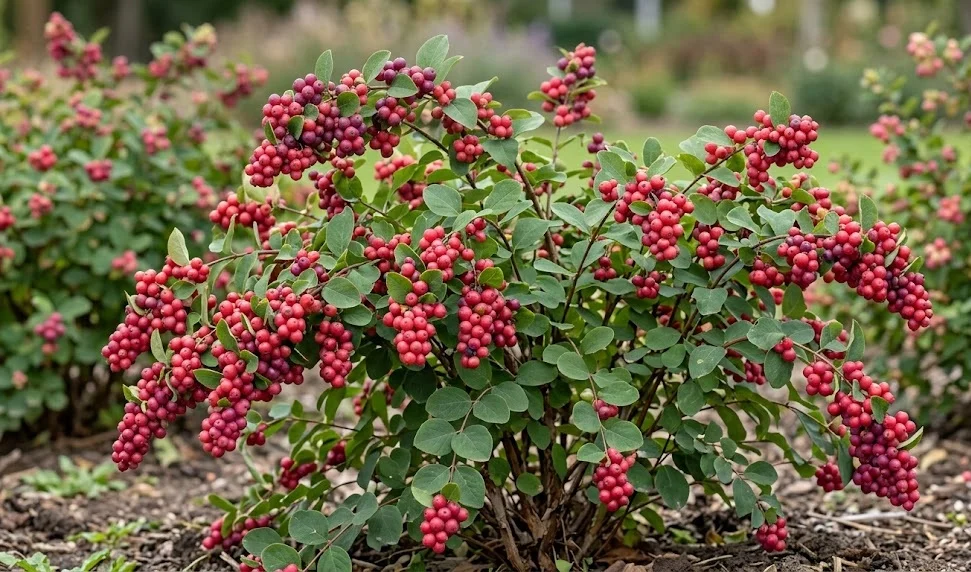
The most significant impact of lighting on this species is seen in the production and quality of its distinctive pink and red berries. For the most prolific fruit set, the shrub generally needs to receive at least four to six hours of sunlight each day during the growing season. Sunlight provides the energy required for the plant to produce flowers and subsequently develop the heavy clusters of berries that make it so famous. If the plant is in too much shade, it may produce only a few scattered fruits or none at all.
More articles on this topic
The color of the berries can also be influenced by the intensity and duration of the light they receive as they ripen in the autumn. Berries that are exposed to some direct sunlight often develop a deeper, more vibrant hue than those tucked away in deep shadow. This is an important consideration if you are growing the plant specifically for its ornamental winter interest. Strategic pruning to allow light into the center of the shrub can help improve the color and quantity of the berries throughout the entire plant.
Foliage density and leaf color are also tied to the light environment in which the coralberry is situated. In bright, indirect light, the leaves are typically a rich, dark green and grow closely together along the stems. As the light levels decrease, the plant may produce larger leaves to capture as much energy as possible, but they will be spaced further apart. This results in a less dense appearance, which may be desirable in a naturalistic woodland garden but less so in a formal hedge or border.
Professional landscapers often use the light-responsive nature of the coralberry to create visual depth and interest in a garden design. By placing the shrub where it catches the early morning or late afternoon sun, you can highlight the texture of its leaves and the shimmer of its berries. The way light plays off the arching branches can create a dynamic element that changes throughout the day and across the seasons. This thoughtful placement is what separates a professional garden from a simple collection of plants.
Signs of light stress and environmental adjustment
Recognizing when your coralberry is unhappy with its light levels is a key skill for maintaining its health and vigor over time. If the plant is getting too much sun, you might notice that the leaves start to look pale or yellowish instead of a healthy green. In extreme cases, the centers of the leaves may develop brown spots from actual sun damage to the plant tissues. If you see these signs, you may need to provide some temporary shade or consider moving the shrub to a more protected location.
More articles on this topic
Conversely, a plant that is struggling in too much shade will often show signs of weak, spindly growth as it reaches for the light. The stems may become very long and thin, and the plant may lose its naturally compact and attractive shape. You might also notice that the shrub becomes more susceptible to fungal diseases like powdery mildew because the leaves take longer to dry in the shade. Moving the plant to a brighter spot or thinning out overhanging tree branches can often resolve these issues quickly.
When you do decide to move a plant from a shady spot to a sunnier one, it is vital to do so gradually to avoid light shock. Sudden exposure to intense sunlight can burn leaves that have spent their whole lives in the shade and are not adapted to the UV rays. You can use shade cloth or temporary barriers to slowly increase the amount of light the plant receives over a period of two weeks. This professional approach allows the internal chemistry of the leaves to adjust safely to the new environment.
Ultimately, the best way to determine the ideal light for your coralberry is through careful observation and a bit of experimentation. Every garden has its own unique microclimates that are affected by buildings, trees, and the local topography. By paying attention to how your shrub responds to its specific location, you can make the necessary adjustments to ensure its success. A well-placed coralberry is a testament to the gardener’s understanding of the fundamental relationship between light and life.