
The precise management of light is perhaps the most critical factor in achieving a professional-quality display of common liverworts in a garden setting. These plants have a highly specialized relationship with sunlight that is dictated by their natural evolution on the forest floor of deciduous woodlands. Understanding how to manipulate and provide the right type of light throughout the changing seasons is essential for the health and longevity of the plant. A professional approach ensures that the liverwort receives exactly enough energy for photosynthesis without suffering from the damaging effects of excessive solar radiation.
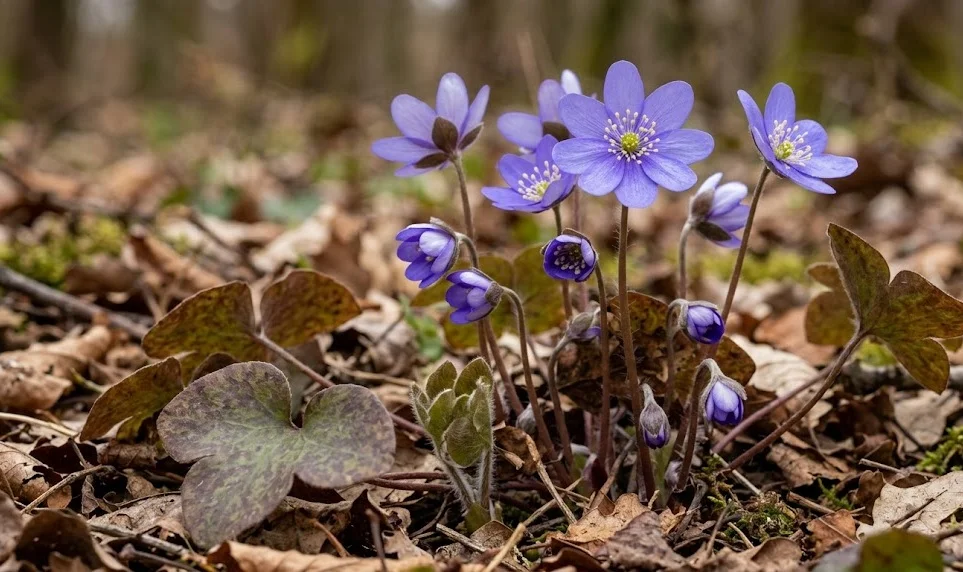
In its natural habitat, the common liverwort experiences a dramatic shift in light availability that perfectly coincides with its annual growth cycle. During the early spring, before the canopy of the forest trees has fully developed, the plant is bathed in relatively bright, direct sunlight. This abundance of light provides the necessary energy for the rapid production of flowers and the initial development of new foliage. As a gardener, you should aim to replicate this early-season brightness by placing your plants in a location that receives good morning sun during the spring months.
Once the trees above have fully leafed out, the environment on the forest floor shifts to a cool, shaded sanctuary with dappled light patterns. The common liverwort is perfectly adapted to this lower light level and actually requires the protection of the shade to survive the heat of summer. Direct, intense sunlight during the middle of the day can quickly scorch the delicate leaves and cause the plant to wilt or go into a state of severe stress. Choosing a site under deciduous trees or large shrubs provides the perfect “automatic” light management system for your woodland garden.
The quality of the light is just as important as the quantity, with filtered or dappled light being much more beneficial than dark, heavy shade. In a garden with deep, permanent shade, such as on the north side of a solid fence or wall, the liverwort may struggle to produce enough energy for healthy growth. You might notice the plant becoming leggy, with pale foliage and fewer flowers, as it reaches toward whatever light it can find. Aim for a “bright shade” environment where the plant is protected from direct rays but still enjoys plenty of ambient, reflected light.
Adapting light levels for garden success
If your garden does not have mature deciduous trees, you can still create a successful environment for liverworts by using artificial shade or strategic positioning. The east side of a building is often an excellent choice, as it provides the bright morning sun that the plant loves while offering protection from the harsh afternoon heat. You can also use taller companion plants, such as ferns or perennials with larger leaves, to provide a living canopy for the smaller liverworts. This layered approach to planting not only manages the light levels but also creates a more diverse and attractive garden design.
More articles on this topic
Reflected light can be a valuable tool for boosting the energy levels of plants growing in otherwise shaded areas of the garden. Light-colored walls, fences, or even pale-colored mulch can bounce sunlight into dark corners, significantly increasing the ambient light available to your plants. This technique is particularly useful in small urban gardens where space is limited and light can be a scarce resource. However, be careful not to create a “heat trap” where the reflected light also raises the temperature of the air and soil to uncomfortable levels.
The orientation of your planting beds will have a significant impact on the light patterns that your common liverworts experience throughout the year. A bed that faces south will receive the most intense light and will require more substantial shade management to protect your woodland species. Conversely, a north-facing bed will be much cooler and shaded, which may require you to thin out overhanging branches to ensure enough light reaches the ground. Professional gardeners always analyze the solar path across their property before deciding on the final location for their most sensitive plants.
Monitoring the behavior of your plants will tell you a great deal about whether they are receiving the correct amount of light in their current location. If the leaves appear overly dark green and the plant is slow to grow, it may be receiving too little light to function at its peak. On the other hand, if the foliage looks pale, yellowed, or has brown, crispy edges, it is likely suffering from too much direct sun exposure. Being prepared to move a plant or adjust its surroundings based on these visual cues is a sign of a truly expert and attentive gardener.
Seasonal light management techniques
Managing the light levels during the transition from winter to spring is a delicate task that requires a proactive and thoughtful approach. As the sun begins to climb higher in the sky, the intensity of the light increases even before the air temperature starts to warm up significantly. You may need to remove any winter covers or heavy mulch early enough to allow the plant to take advantage of this increased energy for flower production. This “sun-bathing” period is vital for the plant to build up the resources it needs for the explosive growth that characterizes the spring season.
More articles on this topic
During the peak of summer, the focus of light management shifts entirely toward protection and the prevention of heat stress and solar damage. If a nearby tree loses a large branch or is removed, the sudden increase in light can be devastating for an established colony of liverworts. In such cases, you should be ready to provide temporary artificial shade, such as a lattice screen or a shade cloth, until a more permanent solution can be found. Professionalism in the garden means being prepared for the unexpected and having the tools and knowledge to protect your plants from sudden environmental changes.
Autumn is a time when the light levels begin to naturally decline as the days shorten and the sun moves lower in the southern sky. As the leaves fall from the trees above, the liverworts once again experience an increase in direct light, which helps them prepare for their winter dormancy. This late-season light is much less intense than the summer sun and is generally very beneficial for the plant’s overall health and energy storage. You should avoid clearing away all the fallen leaves too quickly, as they provide a natural filter for the light while also protecting the soil.
Finally, remember that light is the primary driver of all the biological processes within the plant and its management is a year-round responsibility. By understanding the specific light needs of the common liverwort and providing it with the right environment, you are laying the foundation for many years of garden success. A well-lit plant is a healthy plant, capable of producing the most beautiful and vibrant flowers to brighten your spring landscape. Your mastery of the light in your garden is the key to unlocking the full potential of these enchanting woodland treasures.