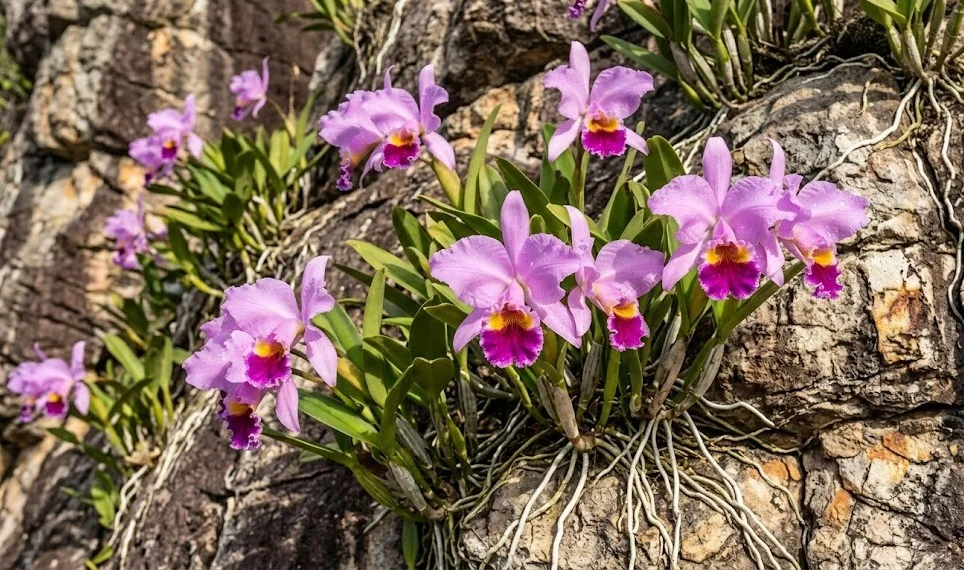

Light is the primary energy source for any plant, and for the Christmas orchid, it is the most significant factor in determining whether it will bloom. In their natural habitat, these epiphytes live high in the forest canopy where they are exposed to bright, filtered sunlight throughout the day. A professional grower aims to replicate these conditions by providing a location that offers plenty of luminosity without the risk of scorching the leaves. Achieving the right intensity and duration of light is a cornerstone of successful orchid culture and requires ongoing observation and adjustment.
The quality of light changes throughout the year, meaning that a spot that is perfect in the winter might be too intense during the summer months. Professional growers often use light meters or apps to measure the actual foot-candles or lux that their plants are receiving at different times of the day. This data-driven approach removes the guesswork and allows for precise positioning of the collection for optimal growth. Understanding how light interacts with your specific growing environment is a skill that develops over time through careful attention to the plants’ reactions.
Humanizing the concept of light requirements involves learning to “read” the orchid’s foliage as a direct indicator of its current energy levels. The leaves act as solar panels, and their color can tell you everything you need to know about whether they are getting too much or too little sun. A professional enthusiast develops an intuitive sense for these signals, adjusting shades or moving pots to maintain the perfect balance. Providing the right light is not just a technical requirement; it is an act of care that empowers the orchid to produce its stunning and fragrant winter flowers.
Balancing intensity and duration for growth
The Christmas orchid thrives in bright, indirect light, which typically translates to about 2,000 to 3,000 foot-candles in a professional setting. This level of intensity provides enough energy for the plant to build large, healthy pseudobulbs that can support multiple flower spikes. Direct midday sun, especially during the summer, is often too harsh and can cause permanent damage to the leaf tissues within a very short period. East-facing windows are often ideal, as they provide strong morning light followed by cooler, shaded conditions for the rest of the day.
The duration of light, or the photoperiod, is also a critical factor in the plant’s annual cycle and its ability to initiate flowering. In their native tropical regions, the day length stays relatively consistent, around twelve hours throughout the entire year. Providing a stable light schedule helps the orchid maintain its internal clock and ensures it stays on track with its growth phases. During the dark winter months, many professionals use supplemental LED grow lights to maintain this twelve-hour day and support the developing flower buds.
More articles on this topic
If you are growing your orchids in a south-facing window, you will likely need to use a sheer curtain or a lattice to filter the intense afternoon sun. This diffused light mimics the dappled sunshine that reaches the forest floor through the leaves of taller trees. A professional grower monitors the temperature of the leaves on sunny days; if they feel hot to the touch, the light intensity is too high. Maintaining this balance ensures that the plant remains productive without suffering from heat stress or dehydration.
In a greenhouse environment, shading cloth is used to manage the light levels according to the season and the needs of the specific orchid varieties. This allows for a very professional and controlled environment where every plant receives its ideal amount of energy. Even in a home setting, being mindful of how the light moves through your space will help you find the best possible home for your collection. Consistent and appropriate light is the foundation upon which all other care practices are built for the Christmas orchid.
Indicators of light stress and leaf color
The color of the leaves is the most reliable guide to whether your Christmas orchid is receiving the correct amount of light. Ideally, the foliage should be a medium, grassy green shade that looks healthy and vibrant to the eye. If the leaves become a very dark, forest green, it is a clear sign that the plant is not getting enough light to thrive. While the orchid may survive in these conditions, it is unlikely to produce flowers and its growth will be slow and weak.
Conversely, if the leaves start to turn a pale yellow or develop a reddish-purple tint, the light intensity is likely too high. This reddish pigmentation is a natural defense mechanism, similar to a human tan, produced by the plant to protect its tissues from excessive radiation. While a small amount of this color is sometimes acceptable, it indicates that the orchid is reaching its limit for light tolerance. Moving the plant a few feet away from the window or adding a sheer curtain will usually resolve the issue and return the leaves to their healthy green state.
More articles on this topic
Leaf burn, or sunscorch, appears as bleached or black patches on the surface of the leaf that have been directly exposed to intense sun. These marks are permanent and can provide an entry point for diseases, so it is vital to prevent them through careful light management. If you notice a hot spot developing on a leaf, immediately provide more shade or move the plant to a safer location. A professional grower always prioritizes the long-term health of the foliage, as it is the plant’s only way to generate energy for the future.
Observing how the leaves are held can also give clues about the light quality in your growing area. Orchids that are not getting enough light often produce long, thin, and floppy leaves as they stretch toward the nearest light source. On the other hand, plants with ideal light levels will have sturdy, upright leaves that can support their own weight without assistance. By paying close attention to these physical indicators, you can fine-tune your environment to meet the specific needs of your Christmas orchids.
Utilizing artificial light and seasonal adjustments
As the seasons change, so too must your approach to providing light for your orchid collection. In the winter, when the sun is low and the days are short, you may need to move your plants to your brightest window to compensate. In the summer, that same window may become far too intense, requiring you to move the pots back or increase the amount of shading. A professional enthusiast is always aware of these celestial shifts and adjusts their care routine to ensure a stable environment for their plants.
For those who live in northern climates or have limited natural light, artificial grow lights are a professional-grade solution that offers complete control. Modern LED panels are highly efficient and can be tuned to provide the specific spectrum of light that orchids need for photosynthesis and blooming. These lights should be positioned about twelve to eighteen inches above the plants and operated on a timer for consistency. This technology allows anyone to grow beautiful Christmas orchids, regardless of the orientation of their windows or the weather outside.
When using artificial lights, it is important to remember that they do not provide the same heat as natural sunshine. This can be an advantage during the summer but may mean you need to monitor the room temperature more closely in the winter. Some growers use a combination of natural and artificial light to get the best results throughout the year. This hybrid approach ensures that the plants receive a high volume of energy while still benefiting from the natural rhythms of the day.
In the late autumn, providing bright light combined with cooler temperatures is the key to stimulating the production of flower spikes. Once the buds have formed and are beginning to open, the plant’s light requirements decrease slightly, and it can be moved to a display area. However, to keep the flowers lasting as long as possible, avoid placing them in dark corners far from any light source. Mastering light management is a lifelong journey for the professional orchid grower, rewarded every year by a spectacular winter display.