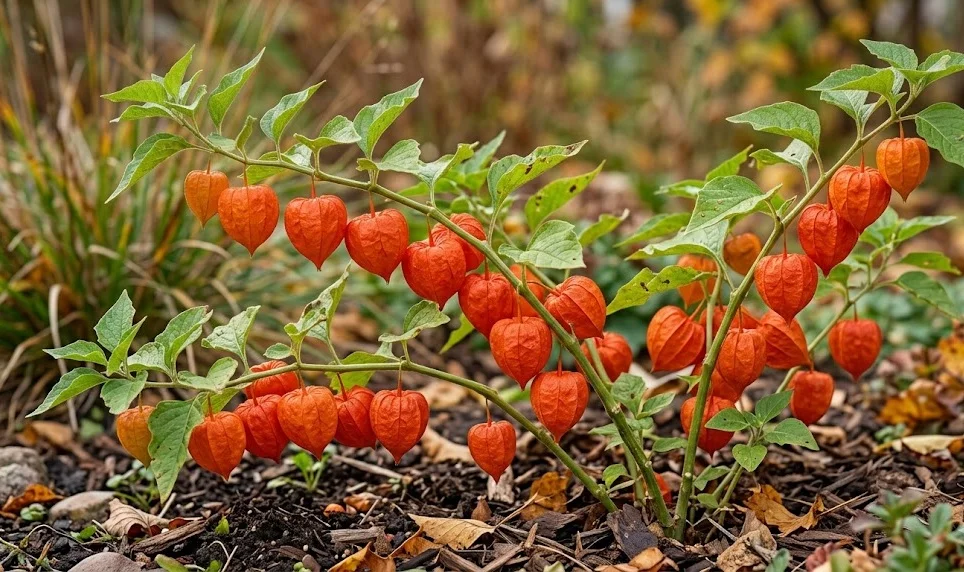

Understanding the light requirements of the Chinese lantern is fundamental to achieving the iconic orange husks and lush green foliage the plant is known for. While it is a versatile species that can survive in various light conditions, its ornamental quality is directly tied to the intensity and duration of sunlight it receives. A professional gardener knows that light is the primary driver of the plant’s metabolic processes, including the production of the pigments that give the lanterns their color. Providing the optimal light environment is the most effective way to maximize the visual impact of your garden.
In its natural habitat, the Chinese lantern often grows in open areas or at the edges of woodlands where light is abundant but filtered. In a garden setting, it performs best when it receives at least six to eight hours of direct sunlight each day. This level of exposure ensures that the stems grow strong and upright rather than stretching and becoming weak. Sunlight also plays a crucial role in preventing moisture-related diseases by drying the foliage quickly after rain or dew.
Partial shade is tolerable, but it often comes with a trade-off in the plant’s reproductive success and aesthetic appeal. In shadier spots, the plant may focus more on vegetative growth, leading to a sprawling habit with fewer flowers and lanterns. The lanterns themselves may remain green for longer and might never achieve the deep, saturated orange that is so highly prized. Professional design takes these factors into account when selecting the perfect location for this species.
The quality of light can also change throughout the growing season, and the plant’s needs shift accordingly as it moves from growth to fruiting. Morning sun is particularly beneficial as it provides energy for photosynthesis without the extreme heat of the mid-afternoon. Protecting the plants from the most intense, scorching sun in very hot climates can prevent leaf burn and stress. Balancing these light factors is a hallmark of expert horticultural care.
Maximizing sunlight for color development
The transition of the lanterns from green to orange is a chemical process that is heavily dependent on light intensity. The pigments, specifically carotenoids, are synthesized more effectively when the plant is exposed to bright, direct light during the maturation phase. If the plants are grown in too much shade, the lanterns may stay pale or turn a dull, brownish-orange rather than a brilliant hue. Positioning your Chinese lanterns in the sunniest part of the garden is the best way to guarantee a vibrant autumn display.
More articles on this topic
Not only does sunlight affect the color, but it also influences the thickness and durability of the papery husks. Plants in full sun produce lanterns that are more resilient and less likely to tear or rot in the autumn rains. This is particularly important for those who wish to harvest the stems for dried arrangements, where structural integrity is key. Sunlight acts as a natural hardening agent for the plant’s delicate tissues.
In gardens with limited sunlight, you can use reflective surfaces or strategic pruning of nearby trees to increase the available light. Light-colored walls or fences can bounce extra rays onto the plants, providing a significant boost to their photosynthetic capacity. This type of microclimate management is a professional technique used to overcome the limitations of a specific site. Every extra hour of light can make a visible difference in the quality of the final harvest.
It is also important to consider the spacing between the plants to ensure that every stem gets its fair share of the available light. In a crowded patch, the taller stems can shade out the shorter ones, leading to uneven development and lower quality lanterns in the center. Regular thinning and proper initial spacing allow light to penetrate deep into the canopy. This internal light availability is just as important as the external exposure for the overall health of the colony.
Managing light in different climates
In northern or cooler regions, maximizing every bit of available sunlight is the primary goal for the gardener. In these areas, the growing season is shorter, and the sun’s intensity is lower, so full sun exposure is almost always recommended. Planting against a south-facing wall can provide extra warmth and light, helping the lanterns to mature before the first killing frosts. Professional growers in cool climates often prioritize these “heat traps” for the best results.
More articles on this topic
Conversely, in very hot or southern climates, the intense mid-day sun can be a source of stress rather than a benefit. While the plant still needs plenty of light, some protection from the harsh afternoon rays can prevent the leaves from wilting or scorching. Dappled shade during the hottest part of the day can help the plant maintain its hydration and overall vigor. Understanding the specific challenges of your local climate allows for a more nuanced and professional approach to light management.
The angle of the sun changes significantly from spring to autumn, which can alter the light patterns in your garden. A spot that is in full sun in June might be in partial shade by September as the sun sits lower in the sky and shadows lengthen. When planning your garden layout, consider these seasonal shifts to ensure the plants have enough light during the critical maturation phase. A professional gardener looks at the garden not just as it is today, but as it will be throughout the entire year.
If you find that your Chinese lanterns are not performing well due to light issues, don’t be afraid to move them. Because they spread via rhizomes, they are relatively easy to transplant in the early spring before the new growth starts. Moving a struggling plant from a shady corner to a sunny border can lead to a dramatic improvement in its health and beauty. Being willing to adapt to the plant’s needs is the mark of an experienced and successful horticulturalist.
The impact of light on growth habits
The direction and intensity of light directly influence the physical structure and growth habit of the Chinese lantern. Plants that receive light from only one side will naturally lean toward the source, a phenomenon known as phototropism. This can result in a lopsided or messy-looking colony that may require more staking and support to keep it upright. Providing light from above or from multiple directions leads to a more balanced and aesthetically pleasing plant.
Light also regulates the “internode length,” which is the distance between the leaves on the stem. In low-light conditions, the plant produces longer internodes as it tries to “stretch” toward the light, resulting in a leggy and weak appearance. Stems grown in bright light are more compact, with leaves and lanterns closer together, creating a much denser and more attractive display. This compactness also makes the plant more resistant to wind and heavy rain.
The timing of flowering is also triggered by light, specifically the changing length of the days as the season progresses. While the Chinese lantern is not as strictly day-length sensitive as some other species, its overall rhythm is still tied to the solar cycle. Ensuring the plant is not exposed to artificial light at night, such as from streetlights or security lamps, can help it maintain its natural seasonal patterns. A professional environment respects the natural photoperiod of the species.
Finally, consider the role of light in the drying and preservation of the harvested lanterns. Once the stems are cut, they should be dried in a dark, well-ventilated area to preserve their vibrant color. Direct sunlight on harvested lanterns will cause the orange pigments to fade quickly, leaving them looking washed out. The journey of light management begins in the garden but continues all the way through to the final decorative use of the plant.