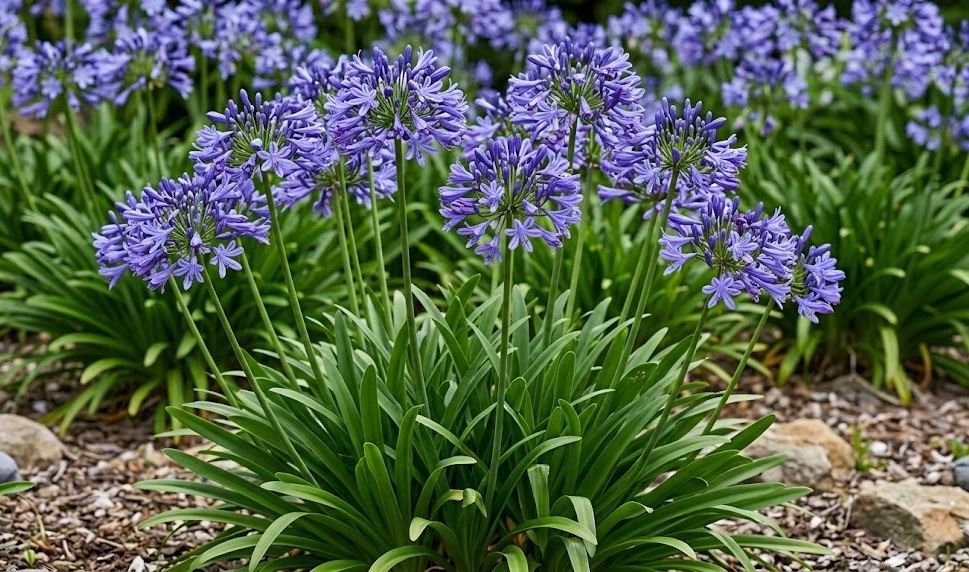

The relationship between the African lily and the sun is one of the most fundamental aspects of its successful cultivation in any professional garden setting. As a plant that evolved on the sun-drenched slopes of southern Africa, it has a biological imperative for high light levels to fuel its growth and flowering. For the gardener, managing this light requirement is a delicate task that involves balancing intensity, duration, and the local climate. Providing the right amount of solar energy is often the difference between a lush but green clump and a spectacular explosion of color.
In most temperate climates, the ideal situation for these lilies is a position that receives full sun for at least six to eight hours every day. This direct exposure is essential for the photosynthesis process that produces the sugars the plant stores in its fleshy roots. Without enough light, you will find that the stems become “leggy” as they reach toward the nearest light source, and the flower clusters will be smaller and less frequent. Professional landscapers always prioritize the sunniest spots in the garden for these prized perennials.
The quality of the light is just as important as the quantity, with the morning and midday sun being the most beneficial for growth. Afternoon sun in peak summer can sometimes be extremely intense, and in very hot regions, a little bit of dappled shade during the hottest part of the day can actually be beneficial. This prevents the foliage from overheating and helps the soil retain its moisture for a bit longer. Observing how the light moves across your garden throughout the day is a key skill for any expert horticulturalist.
When planting in a container, the ability to move the plant to follow the sun becomes a major advantage in managing its light needs. You can start the plant in a protected, warm spot in the early spring and move it to a more prominent, sunny position as the weather stabilizes. If you notice the plant is leaning significantly in one direction, it is a clear sign that it is seeking more light from that side. Rotating the pot every few days will ensure that the growth remains symmetrical and the flower stalks grow straight.
Managing exposure in extreme heat conditions
While they are sun-lovers, there is a limit to how much heat the African lily can handle before it begins to show signs of stress. In regions with intense desert sun or frequent heatwaves, the combination of high light and high temperature can lead to “leaf scorch.” This appears as bleached or brown patches on the upper surfaces of the leaves, where the intense rays have literally damaged the plant’s cells. Providing temporary shade during the peak of a heatwave can protect your plants from this unsightly damage.
More articles on this topic
The color of the foliage can often tell you if the light levels are balanced correctly for the plant’s needs. Leaves that are a deep, rich green are typically a sign of a healthy plant that is receiving adequate light without being overstressed. If the leaves start to take on a yellowish or slightly bronzed tint, it may be a sign that the light is too intense or that the plant is struggling with the heat. A professional gardener uses these visual cues to make small adjustments to the plant’s environment throughout the season.
Reflected light from light-colored walls or paved surfaces can also increase the total amount of energy reaching your plants. While this can be a benefit in cooler climates by providing extra warmth, it can also act as a magnifying glass in hotter areas. Be mindful of placing your lilies directly against a white south-facing wall if your local summers are already very hot. Finding the “sweet spot” in your garden requires a combination of botanical knowledge and direct observation of your specific site.
Water management becomes even more critical when the light levels are high, as the plant will be transpiring moisture at a much faster rate. A plant in full sun will need much more frequent checking than one in partial shade to ensure its roots don’t dry out. The interplay between light, heat, and water is a complex system that the expert gardener must manage to achieve the best results. Professionalism in the garden means understanding how these different factors influence each other and reacting accordingly.
Signs of light deficiency and remediation
One of the most common reasons why African lilies fail to bloom is a simple lack of adequate sunlight. If your plant looks perfectly healthy with lush green leaves but hasn’t produced a flower in years, it is likely situated in a spot that is too shady. This is often seen in gardens where nearby trees or shrubs have grown over time, gradually blocking out the sun that was once available. Moving the plant to a sunnier location is often all that is needed to trigger a return to flowering.
More articles on this topic
In addition to a lack of flowers, light-deprived plants often have foliage that is much longer and thinner than usual. These “etoliated” leaves are a sign that the plant is stretching its resources as thin as possible to find more light. The flower stalks of these plants are also prone to falling over because they lack the structural strength that full sun provides. If you see these signs, it is time to reassess the planting site and consider a move to a more open area of the garden.
For those with limited sunny spots, choosing varieties that are known to be more shade-tolerant can be a professional solution. While all African lilies prefer the sun, some of the smaller, modern hybrids have been bred to perform better in less-than-ideal light conditions. Always check the specific requirements of the variety you are purchasing to ensure it is a good match for your garden’s light profile. Expert gardening is as much about plant selection as it is about maintenance and care.
Finally, remember that the light requirements of the plant can change slightly as it moves through its annual cycle. In the winter, light is less critical for deciduous types that are dormant, but evergreen varieties still need some brightness to maintain their health. As spring approaches, increasing the light exposure is the primary way to “wake up” the plant and start the next cycle of growth. By paying close attention to the solar needs of your lilies, you can ensure a magnificent display of flowers year after year.