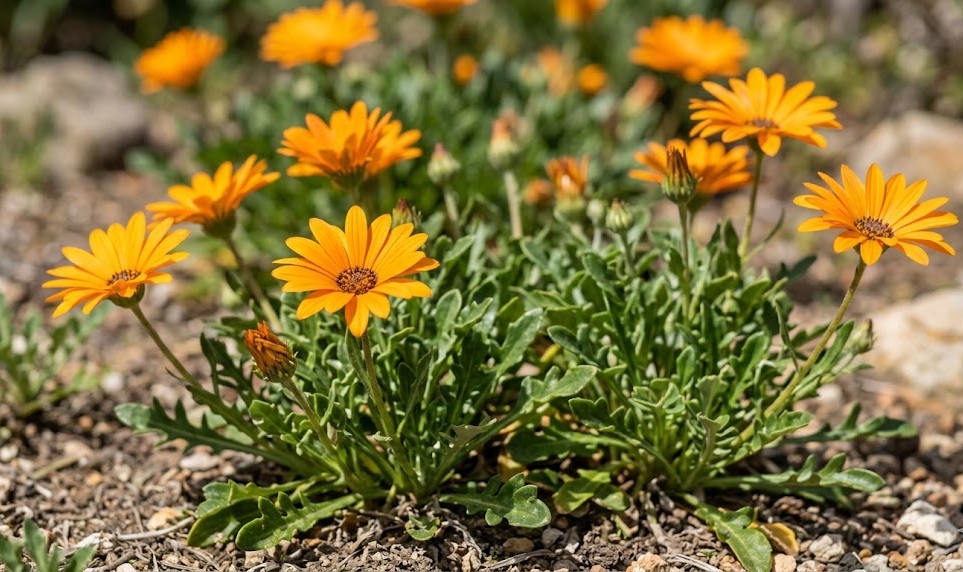

Understanding the relationship between sunlight and flower production is the key to creating a professional-grade garden display. You must realize that these plants are true sun-lovers, and their entire biological cycle is built around the energy they receive from direct light. Without enough sun, the vibrant colors will fade, and the flowers may refuse to open at all, even on a warm day. A professional approach to light management involves choosing the best site and making adjustments to ensure the plants get exactly what they need.
In their natural habitat, these flowers are exposed to intense light for most of the day, which is why they have developed such brilliant and reflective petals. You should aim to provide at least six to eight hours of full, unobstructed sun for the best results in your own garden beds. If you have a site that is partially shaded, you might find that the plants grow taller and more “leggy” as they try to reach for the available light. Professionalism in gardening is about matching the needs of the plant to the specific conditions of your outdoor environment.
The intensity of the light also changes throughout the day and the season, which can affect how your flowers look and behave in the landscape. Morning sun is often the best because it is bright but cool, allowing the plants to start their metabolic processes without the stress of extreme heat. Midday sun is the most intense, and while these flowers love it, you must ensure they have enough moisture to handle the increased evaporation. A professional gardener observes these daily shifts and understands how they influence the overall health and beauty of the garden.
Finally, you should consider the impact of light on the timing of the blooming cycle and the duration of the flowering period in your region. More light generally means more flowers, but extreme heat in very sunny spots can sometimes cause the plant to take a short break during the peak of summer. By providing the right balance of light and care, you can ensure a continuous display of color from late spring all the way into the autumn. Professionalism is about managing these natural forces to achieve the highest possible quality in your floral displays.
Full sun vs partial shade needs
When you are planning your garden, you must decide which areas are truly “full sun” and which ones might be better described as “partial shade.” A professional definition of full sun means that the area receives at least six hours of direct, unblocked sunlight every single day during the growing season. If your garden gets a few hours of sun followed by dappled shade from a nearby tree, your flowers may still grow but they will not reach their full potential. Understanding these distinctions is the first step toward a professional-level design that works for your specific plant choices.
More articles on this topic
In areas with very intense summer heat, a little bit of afternoon shade can actually be a benefit rather than a drawback for your flowers. You might find that the petals stay more vibrant and last longer if they are not being baked by the hottest sun of the day in July and August. However, you should never plant them in a spot that is mostly shaded, as they will quickly become weak and stop producing the beautiful blooms you want. A professional gardener looks for that “sweet spot” where the light is abundant but the heat is manageable for the plants.
The direction your garden faces also plays a huge role in the quality and duration of the light that your plants will receive throughout the day. South-facing beds generally get the most consistent and intense light, making them the perfect location for these sun-loving floral varieties. West-facing spots can be very hot in the late afternoon, which requires you to be even more careful with your watering and soil management routines. Professionalism involves knowing the geography of your yard and using it to your advantage when you are putting new plants in the ground.
You should also be aware of how the shadows in your garden change as the sun moves lower in the sky during the late summer and early autumn. A spot that was in full sun in June might be partially shaded by a fence or a building by the time September arrives. You can use this natural shift to your advantage by planning your plantings so that they get the light they need during their most active growing phases. Professionalism is about being dynamic and always thinking about how the environment will change over the course of the entire year.
The impact of light on blooming cycles
One of the most fascinating aspects of these flowers is how they respond to light by opening and closing their petals based on the intensity of the sun. You will notice that on cloudy days or in the early morning, the flowers may stay tightly shut to protect their delicate internal structures. As the sun gets higher and the light becomes stronger, the petals unfurl to reveal their stunning colors to the world and any passing pollinators. A professional knows that this is a natural sign of a healthy plant and not a cause for concern when the weather is overcast.
More articles on this topic
The total amount of light received throughout the season also determines how many flower buds the plant will produce and how quickly they will develop. If the summer is particularly sunny and bright, you can expect a spectacular show of color that seems to never end until the first frost. On the other hand, a cool and cloudy year might result in fewer flowers and a more muted display in your garden beds. Professionalism in agriculture involves accepting these natural variations while doing everything you can to maximize the potential of every single plant.
Light also influences the height and the strength of the stems, which is vital for keeping your garden looking tidy and professional all season long. In low-light conditions, the stems will stretch and become thin, often causing the flowers to flop over after a rain or a strong wind. When the plants get plenty of sun, the stems grow thick and sturdy, providing a solid foundation for the heavy flower heads that sit on top. A professional gardener aims for that compact and strong growth habit that only comes from providing the highest quality of light possible.
Finally, you can use supplemental lighting if you are starting your plants early indoors to ensure they get the best possible start before moving to the garden. Using professional grow lights for 12 to 14 hours a day will mimic the long days of summer and prevent your seedlings from becoming weak and leggy. This extra investment in light early in the year will lead to much stronger plants that are ready to bloom as soon as they are put in the ground. Professionalism is about being willing to provide the resources necessary to achieve the best possible results at every stage of growth.
Managing heat stress in peak summer
While these flowers love the sun, the extreme heat that often comes with it can sometimes lead to a period of stress for the entire garden. You should look for signs of heat stress, such as wilting in the midday sun even when the soil is damp, or a fading of the petal colors. This is the plant’s way of conserving energy and moisture when the environment becomes too intense for its normal biological processes to continue. A professional gardener knows when to step in and provide a little bit of extra support to help the plants through these difficult periods.
Providing a light misting of water in the early afternoon can help to cool down the area around the plants and reduce the temperature of the leaves. You should be careful not to do this too often, as you don’t want to create a permanently damp environment that could encourage the growth of fungus. Using a mulch that reflects some of the heat away from the ground can also help to keep the root zone at a more comfortable temperature. Professionalism is about finding these small but effective ways to mitigate the impact of the summer heat on your garden’s health.
You might also consider using temporary shade cloths or strategically placed taller plants to give your flowers a break from the most intense rays of the sun. This doesn’t mean you are taking away the light they love; you are simply taking the edge off the heat when it reaches its absolute peak in the afternoon. Many professional landscapers use this technique to keep their displays looking fresh and vibrant even during a record-breaking heatwave. Thinking like a professional means being flexible and responding to the specific needs of the day rather than just following a set schedule.
The most important thing to remember is that a healthy, well-fed, and properly watered plant is much better at handling the stress of the sun than a weak one. By maintaining a professional standard of care throughout the year, you are building the resilience that the garden needs to survive and thrive. When the heat finally fades and the cooler days of autumn arrive, your garden will reward you with a final burst of color that lasts until the very end of the season. Professionalism in gardening is the commitment to that long-term health and the beauty that comes from a job well done.