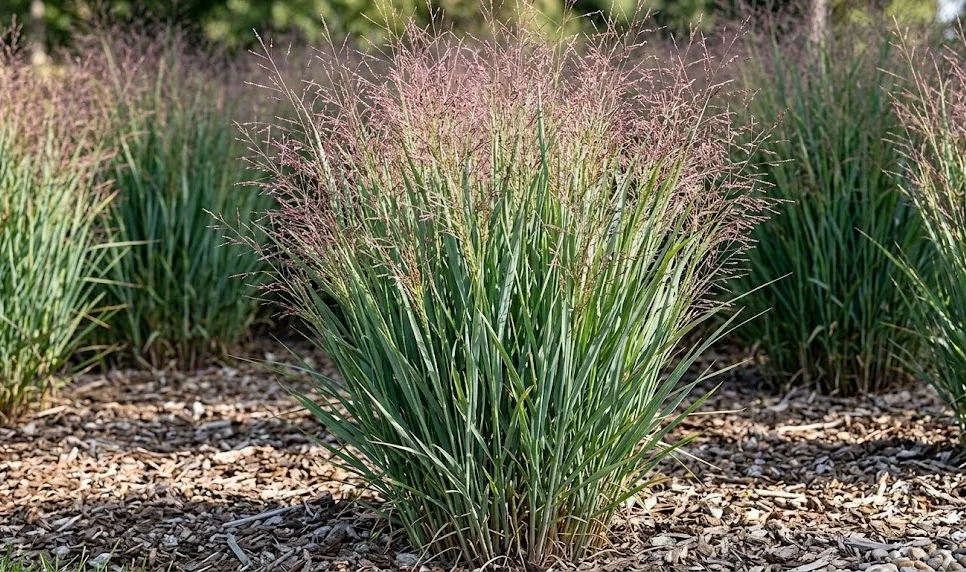

Understanding the light requirements of switchgrass is a cornerstone of professional landscape design and successful plant cultivation. This species is a classic sun-lover, having evolved in the open, expansive prairies where it receives intense radiation throughout the day. The amount of light it receives directly influences its structural strength, the vibrancy of its foliage color, and its ability to produce its iconic airy flower panicles. By accurately assessing the light conditions of your site, you can ensure that this grass performs at its absolute peak year after year.
Optimal sun exposure for peak performance
To achieve the best possible results, switchgrass should be planted in a location that receives full sun, typically defined as at least six to eight hours of direct sunlight daily. This high level of light is necessary to fuel the plant’s efficient C4 photosynthetic pathway, which allows it to thrive in the heat of summer. In full sun, the stems grow strong and rigid, providing the upright architectural form that is highly valued in ornamental settings. The intensity of the light also helps to bring out the distinctive blue, silver, or red hues found in many modern cultivars.
When switchgrass is grown in suboptimal light, the most immediate and noticeable change is a loss of its structural integrity. The stems tend to become weak and elongated as the plant stretches toward the light source, a phenomenon known as etiation. This often results in the plant “flopping” or lodging, especially after a heavy rain or a strong gust of wind. In a professional garden design, this loss of form can detract from the overall aesthetic and may require additional maintenance or support.
Beyond structural issues, light levels also have a profound impact on the flowering and seeding of the plant. Switchgrass produces its delicate, cloud-like flowers in mid to late summer, but only if it has received sufficient solar energy during the early part of the season. In shaded conditions, the flower production is often sparse or non-existent, and the panicles may lack the characteristic airy quality. For those who value the grass for its late-season beauty and its contribution to wildlife, full sun is an absolute requirement.
In very hot and arid climates, even sun-loving plants like switchgrass can benefit from a little bit of protection from the most intense afternoon rays. However, this is the exception rather than the rule, and in most temperate regions, the more sun the plant receives, the better it will look. If you are planting in a borderline light situation, choosing a variety that is known for its sturdy habit can help mitigate some of the effects of lower light. Always prioritize the brightest spot in the garden for this spectacular ornamental grass.
More articles on this topic
Effects of shade on growth and health
While switchgrass is remarkably adaptable to various soil and moisture conditions, it is much less flexible when it comes to its light requirements. Planting this grass in partial or full shade is generally not recommended and often leads to disappointing results for the gardener. In shaded areas, the foliage color often reverts to a plain, dull green, losing the specialized pigments that create blue or red tints. The overall growth rate is also significantly slower, and the plant may never reach its full potential height or spread.
The increased humidity and reduced air circulation often found in shaded locations can also lead to a higher incidence of foliar diseases. Fungal pathogens like rust and leaf spot thrive in damp, still environments where moisture lingers on the leaves for long periods. In full sun, the leaves dry quickly after rain or dew, which naturally suppresses the development of these unsightly and potentially weakening diseases. A plant grown in the shade is inherently more stressed and therefore more susceptible to these biological challenges.
Shade also impacts the ecological value of the grass, as the reduced flowering means fewer seeds are available for birds during the winter. The dense cover that switchgrass provides for beneficial insects and small mammals may also be less effective if the plant is thin and sprawling. From a functional perspective, the root system may not be as deep or extensive in the shade, which can reduce its effectiveness for soil stabilization and erosion control. Every aspect of the plant’s biology is optimized for life in the sun.
If you must plant in an area that receives less than ideal light, it is important to adjust your maintenance expectations accordingly. You may need to provide physical support for the stems or be more vigilant about monitoring for signs of disease. Avoid the use of nitrogen-rich fertilizers in shaded spots, as this will only exacerbate the problem of weak and floppy growth. In many cases, it may be better to choose a different species that is more naturally suited to shaded environments rather than fighting against the biology of switchgrass.
More articles on this topic
Placement in the landscape for light optimization
Strategic placement within the garden can help maximize the light exposure for your switchgrass while enhancing its visual impact. When planning your landscape, consider the movement of the sun throughout the day and the shadows cast by buildings, trees, and large shrubs. Placing switchgrass on the south or west side of a structure will usually ensure it receives the maximum amount of direct afternoon sunlight. This positioning is especially important for varieties that are prized for their intense autumn colors.
The height of switchgrass makes it an excellent choice for the back of a border, but you must ensure it is not shaded by taller trees or overhanging branches. As the sun’s angle changes with the seasons, a spot that is sunny in June may be quite shaded by September. Professional designers often perform a light audit of a site at different times of the year to avoid these potential pitfalls. This long-term perspective ensures that the plants continue to receive the light they need as the season progresses.
Using the light to your advantage can also involve backlighting the grass to highlight its fine texture and airy flowers. When the low sun of early morning or late afternoon shines through the seed heads, it creates a luminous effect that is one of the highlights of the autumn garden. Positioning the grass so that it can be viewed against the sun will significantly enhance its ornamental value. This interplay of light and plant architecture is a key element of sophisticated landscape design.
Finally, consider the competition for light between different plants within the same bed or border. Because switchgrass starts growing later in the spring than many other perennials, it can sometimes be overshadowed by early-season giants. Ensuring that its immediate neighbors do not grow too tall too quickly will give the switchgrass the clear path it needs to reach the sun. With thoughtful placement and a clear understanding of its needs, switchgrass will reward you with a stunning and resilient display.