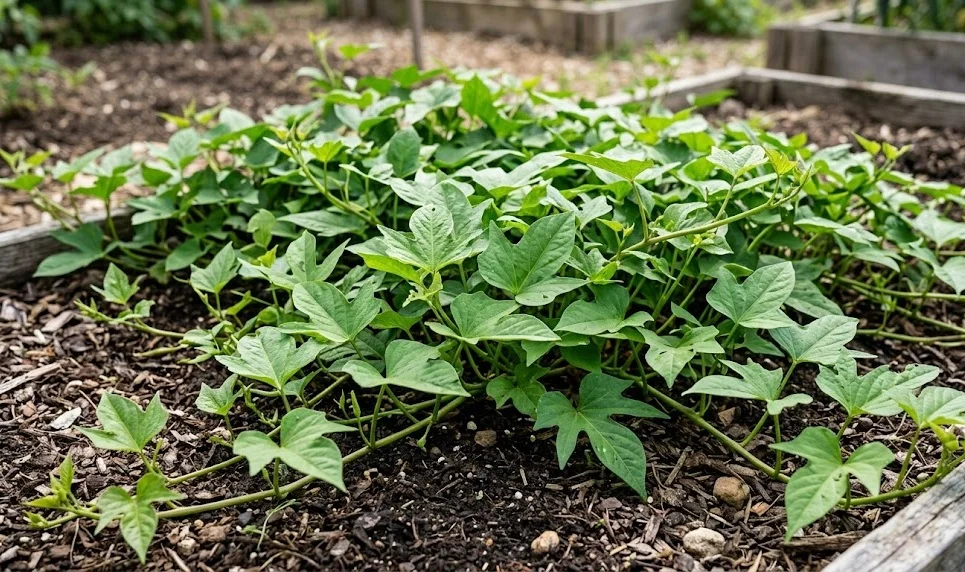

Light is the primary fuel that drives the growth and productivity of sweet potatoes, and understanding how to manage this resource is essential for any serious grower. These plants are native to tropical regions where they are accustomed to long days of intense, direct sunlight throughout the year. In a temperate garden, your goal is to provide them with as much sun exposure as possible to ensure they have the energy required to produce large, starchy tubers. Without adequate light, the vines may look beautiful, but the harvest will almost certainly be a disappointment.
To achieve the best results, you should aim for a minimum of eight to ten hours of direct, unfiltered sunlight every single day. The leaves of the sweet potato are essentially large solar panels designed to capture the sun’s rays and convert them into chemical energy through the process of photosynthesis. This energy is then transported down the vines and stored in the roots in the form of starch, which is what eventually becomes the potato we harvest. Any reduction in light levels, whether from clouds, buildings, or taller neighboring plants, will directly impact the total weight of your crop.
You should carefully consider the placement of your sweet potato patch within the overall layout of your garden to avoid any potential shading issues. Avoid planting them on the north side of tall structures or near large trees that will cast a shadow over the bed during the afternoon hours. If you have a sloping property, a south-facing hillside is often the ideal location because it captures the most intense light for the longest period each day. Maximizing light exposure from the very first day of planting will give your crop the best possible start and a steady growth trajectory.
Even the way you orient your planting mounds or ridges can make a small but noticeable difference in how much light the canopy can capture. Running your rows in a north-to-south direction ensures that both sides of the vines receive an equal amount of sun as the light moves across the sky. This prevents the plants from shading each other and allows for a more uniform growth pattern across the entire garden bed. While it may seem like a minor detail, these small adjustments in light management can add up to a significant increase in your final harvest yields.
Photoperiodism and growth cycles
Sweet potatoes are influenced by the length of the day, a phenomenon known as photoperiodism, which signals the plant when to switch from foliage production to root development. In many varieties, the shortening days of late summer and early autumn act as a trigger that encourages the plant to start storing its energy in the tubers. This is why you often see a sudden surge in potato size during the final few weeks of the season as the light levels begin to shift. Understanding this natural cycle allows you to time your harvest more accurately and make the most of the plant’s biological clock.
More articles on this topic
During the peak of the summer, the long days provide the surplus energy needed for the vines to expand rapidly and cover the ground with a dense green canopy. This stage is critical because it builds the “infrastructure” that will later be used to fill the tubers with nutrients and sugars. If you experience a particularly cloudy or rainy summer, you might find that the vines are slower to develop, which can delay the start of the root-filling phase. While you cannot control the weather, being aware of how light levels affect these cycles helps you adjust your expectations for the season.
Some modern varieties of sweet potatoes have been bred to be less sensitive to day length, allowing them to produce a good crop even in northern regions with shorter growing seasons. If you live in an area where the summer is brief, it is well worth the effort to research and select these specifically adapted cultivars for your garden. These plants are designed to make the most of the intense but short-lived northern light, ensuring that you can still achieve a successful harvest before the frost arrives. Choosing the right genetics for your light environment is a professional strategy that leads to consistent success.
Monitoring the intensity of the light is just as important as tracking the number of hours the plants spend in the sun. Very high-intensity light can sometimes lead to localized heat stress on the leaves, which might cause the plant to temporarily shut down its photosynthetic activity to conserve water. Providing a light misting or ensuring the soil is consistently moist can help the plants manage this intense radiation without losing productivity. It is a complex dance between light, heat, and moisture that defines the success of a high-performance garden crop.
Managing shade and competition
Competition for light is a constant battle in a diverse garden, and sweet potatoes are not particularly good at fighting for their share against taller neighbors. You should avoid planting them in the “shadow” of tall crops like corn, sunflowers, or staked tomatoes that will inevitably block the sun as they grow. Instead, think of your garden in terms of vertical tiers, keeping the creeping vines of the sweet potato in the most exposed and sunny areas. Proper planning ensures that every plant in your system has the space and the light it needs to thrive without being crowded out.
More articles on this topic
If you find that your sweet potatoes are being shaded by an overgrown hedge or a nearby tree, you might need to perform some strategic pruning of the surrounding vegetation. Thinning out the branches of a tree to allow more “dappled” sunlight to reach the ground can make a significant difference in the health of the underlying crops. Even a ten or twenty percent increase in the available light can be the difference between a mediocre harvest and a spectacular one. Being proactive in managing the light environment around your garden bed is a key part of professional land management.
In some cases, you can actually use reflective mulches or light-colored surfaces to bounce extra sunlight back up into the canopy of your plants. This technique is often used in commercial agriculture to increase light levels and soil temperatures, and it can be easily adapted for the home garden using specialized films or even light-colored gravel. By increasing the amount of light that reaches the underside of the leaves, you can boost the overall photosynthetic efficiency of the plant. It is an advanced technique that shows a deep understanding of the relationship between light and plant growth.
Finally, keep an eye out for any “volunteer” plants or weeds that might pop up and start to shade the centers of your sweet potato mounds. Even a few tall weeds can create enough of a shadow to reduce the growth of the young vines during the critical early weeks of establishment. Keeping the area clean and open ensures that every square inch of green foliage is working hard to produce the energy needed for the tubers. Successful light management is about attention to detail and a commitment to providing your plants with the best possible growing conditions.