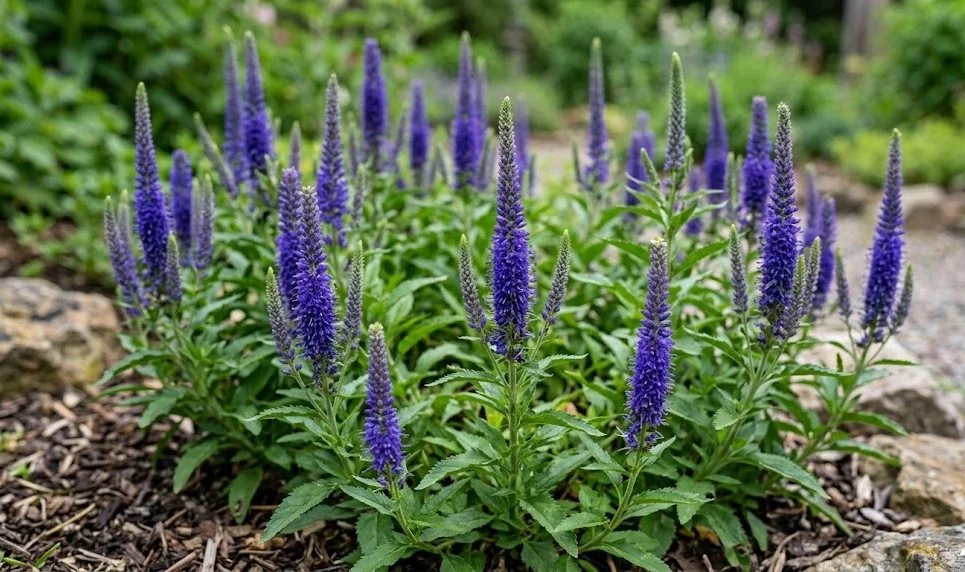

Understanding the light requirements of spiked speedwell is fundamental to ensuring that this beautiful perennial achieves its full potential in your garden landscape. As a species that naturally inhabits open meadows and sunny hillsides, it has evolved a strong preference for high levels of solar radiation throughout the growing season. You must carefully assess the light patterns in your specific outdoor space to identify the locations that will provide the most benefit to these plants. A professional approach to light management involves balancing the plant’s need for energy with the environmental realities of your garden site.
Sunlight is the primary source of energy that the spiked speedwell uses to produce its lush green foliage and its signature tall, vibrant flower spikes. Without enough light, the plant will struggle to manufacture the sugars it needs for growth, leading to a weak and stunted appearance over time. You will notice that plants grown in full sun are much more compact, have stronger stems, and produce a higher density of blooms than those in the shade. Providing the right amount of light is the most effective way to ensure a long and spectacular blooming period during the summer months.
While the plant is a sun-lover, it is also important to consider the intensity of the light and the associated heat, especially in regions with very hot summer climates. In some cases, a small amount of relief from the most intense afternoon sun can be beneficial to prevent the foliage from becoming scorched or overly stressed by the heat. However, this should be carefully balanced so that the plant still receives enough total light to satisfy its metabolic needs for the day. Finding the “sweet spot” of light exposure is one of the most rewarding aspects of professional gardening with perennials like the spiked speedwell.
By mastering the science of light requirements, you can place your plants in positions where they will not only survive but truly thrive and become a focal point of your garden. You will find that a well-placed speedwell requires less supplemental care because it is receiving exactly what it needs from its natural environment. Observation and adjustment are the keys to long-term success, as the light patterns in your garden may change over the years as surrounding trees and shrubs grow and mature. A professional gardener is always thinking about light and how it impacts the health and beauty of their entire plant collection.
Direct sunlight and bloom quality
The most spectacular displays of spiked speedwell are always found in locations that receive at least six to eight hours of direct, unfiltered sunlight every day. This high level of light exposure is what triggers the plant to produce the maximum number of flower spikes with the most intense colors possible. You should avoid planting them in the shadow of large buildings, solid fences, or dense evergreen trees that will block the sun for significant parts of the day. A southern or western-facing aspect in the northern hemisphere usually provides the most consistent and powerful light for your garden beds.
More articles on this topic
In addition to the number of flowers, the overall structural integrity of the plant is also heavily influenced by the amount of direct sunlight it receives during the spring and summer. Plants that grow in full sun tend to have shorter, thicker stems that can easily support the weight of the heavy flower spikes without the need for artificial staking. When light levels are too low, the plant will naturally “reach” for the sun, resulting in thin, weak stems that are prone to flopping over in the rain or wind. A sturdy, self-supporting plant is a hallmark of a professional garden and is much easier to maintain over several years.
You can enhance the impact of the light by placing your spiked speedwell in areas where the sun can reflect off of light-colored walls or stone paths nearby. This “bonus” light can help even out the exposure and ensure that all sides of the plant receive enough energy for balanced growth and blooming. It is also important to ensure that the plants are not too crowded, so that each individual stem has access to the light it needs without being shaded by its neighbors. Proper spacing is just as important as the overall location when it comes to managing the light requirements of your perennials.
Monitoring the plant’s response to the light throughout the season will help you determine if your chosen site is truly ideal for its long-term health and beauty. If the flower spikes are leaning heavily in one direction, it is a clear sign that the plant is trying to find more light and might benefit from being moved. On the other hand, if the leaves look vibrant green and the plant is standing tall and straight, you know you have found the perfect sunny spot. Professional gardening is all about learning to read these visual cues and making the necessary adjustments to support the plant’s natural growth habits.
Adaptability to partial shade
While spiked speedwell is undoubtedly a sun-loving plant, many modern cultivars have a surprising degree of adaptability to locations with partial or filtered shade. This flexibility allows you to include these beautiful perennials in a wider variety of garden designs, even if your outdoor space isn’t perfectly sunny all day long. You should aim for a spot that receives bright morning sun followed by light, dappled shade in the afternoon to protect the plants from the most intense heat. In these slightly cooler conditions, the individual flowers may actually last a bit longer on the spike than they would in the scorching full sun.
More articles on this topic
However, you must be aware that there is a limit to how much shade the plant can tolerate before its health and performance begin to significantly decline in your garden. In locations with too much shade, the spiked speedwell will produce fewer flowers, and the ones it does produce may have a paler or less vibrant color. You might also notice that the plant becomes more susceptible to certain fungal diseases like powdery mildew, which thrives in the cooler and more humid conditions found in shaded areas. A professional gardener knows when to push the limits of a plant’s adaptability and when it’s better to stick to its natural preferences.
If you choose to grow your speedwell in partial shade, you should compensate by being even more vigilant about providing excellent drainage and proper spacing between the plants. These steps help to offset the increased risk of moisture-related issues and ensure that the plant remains as healthy as possible despite the less-than-ideal light levels. You might also find that you need to water slightly less frequently, as the soil will not dry out as quickly in the shade as it does in the full sun. Understanding these subtle trade-offs is a key part of managing a diverse and successful garden landscape with many different light conditions.
Periodically thinning out the canopy of overhanging trees or pruning nearby shrubs can also help to increase the amount of light reaching your speedwell in a partially shaded bed. This simple maintenance task can have a dramatic effect on the vigor and blooming performance of your perennials without requiring you to move the plants themselves. You should always be looking for ways to optimize the light environment in your garden to provide the best possible conditions for all your favorite plants. A professional approach to light management is dynamic and responds to the changing needs of the garden as it matures over time.
Light management for growth
The way you manage the light environment for your spiked speedwell should change as the plant moves through its annual growth cycle from spring to autumn. In the early spring, when the new shoots are first emerging, it is important that they have access to as much light as possible to build their initial energy reserves. You should make sure that any leftover mulch or winter protection is removed promptly to allow the sun to warm the soil and the plant’s crown. This early boost of light and warmth is what sets the stage for a strong and healthy growing season in the months to come.
During the peak of summer, you should focus on ensuring that the light is being used effectively by the plant to produce its beautiful display of flowers. This involves regular weeding to ensure that no unwanted plants are shading your speedwell and stealing its precious solar energy from the soil. You might also consider deadheading the first flush of flowers to allow the light and energy to be redirected into the production of a second round of blooms later in the season. Professional light management is about more than just where you plant; it’s also about how you maintain the plant’s access to the sun throughout the year.
As the summer fades into autumn and the days become shorter, the spiked speedwell will naturally start to wind down its growth in response to the changing light patterns. This is an important part of the plant’s life cycle that prepares it for the upcoming winter dormancy period and helps it survive the cold months ahead. You should avoid any heavy pruning or fertilization at this time that might confuse the plant’s natural perception of the changing light levels and lead to untimely growth. Respecting the plant’s internal clock, which is driven by the sun, is a fundamental rule for any professional gardener.
Finally, remember that light is not just a source of energy but also a powerful design element that can be used to highlight the beauty of your spiked speedwell in the landscape. You can place your plants so that they are backlit by the setting sun, which creates a magical glowing effect through the delicate flower spikes in the evening. This artistic use of light adds a professional and sophisticated touch to your garden that goes beyond the basic requirements of plant health and maintenance. By thinking about light in both a scientific and an aesthetic way, you can create a truly spectacular and rewarding garden for yourself and others to enjoy.