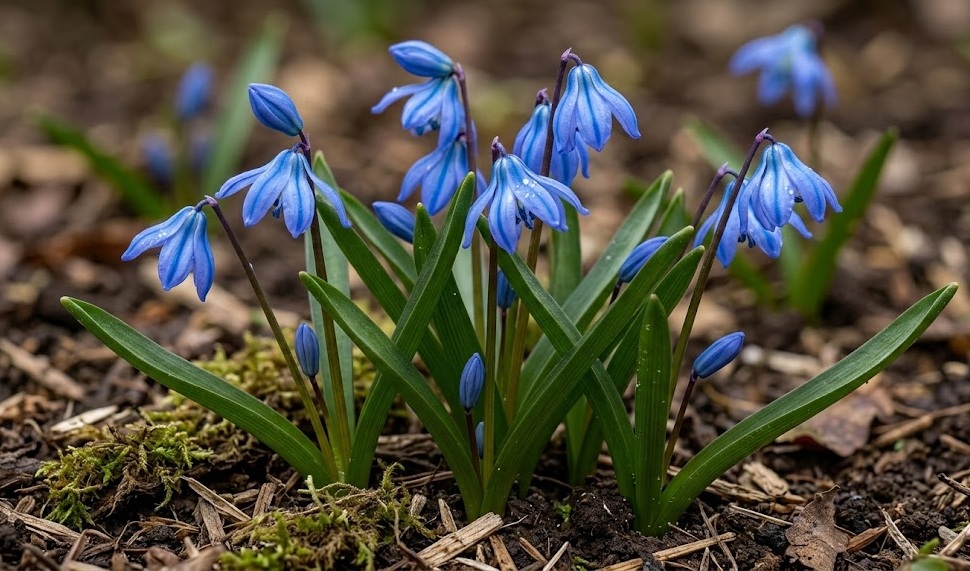

Understanding the light preferences of siberian squill is the key to creating a garden display that is both vibrant and long-lasting. While these plants are famous for their adaptability, the amount of sunlight they receive directly affects the intensity of their blue color. You should aim to place them in a location that maximizes their exposure during their brief but intense spring growing season. Proper light management ensures that your squill doesn’t just survive, but truly flourishes in your landscape.
Full sun versus partial shade
In the ideal garden setting, siberian squill prefers a location that receives full sun to very light partial shade. During the early spring, the sun is not yet at its full summer intensity, which is perfect for these delicate flowers. Sunlight provides the energy needed for the rapid production of stems and blooms after the long winter dormancy. You will notice that plants in sunnier spots often bloom a few days earlier than those in the shade.
However, the beauty of the siberian squill is its ability to thrive under the canopy of deciduous trees. Since these trees do not have leaves in the early spring, the ground beneath them receives plenty of filtered sunlight. This mimics the plant’s natural woodland habitat where it has evolved to take advantage of this specific light window. By the time the trees leaf out and create deep shade, the squill has already finished its blooming cycle.
If you plant squill in a location that is permanently shaded by buildings or evergreen trees, the results may be less impressive. In deep shade, the stems tend to grow longer and weaker as they reach upward in search of more light. The blue color of the flowers might also appear somewhat paler and less saturated than those grown in brighter conditions. While the plants will still grow, they may not multiply as quickly as they would in a sunnier location.
For the best visual effect, try to find a spot that gets at least four to six hours of direct sunlight during the spring. This amount of light is usually sufficient to produce sturdy stems and a high density of flowers across the colony. You can experiment with different areas of your garden to see where the light conditions produce the best results. Each garden has its own unique patterns of light and shadow that change throughout the day and the season.
More articles on this topic
Seasonal light shifts and garden placement
When planning your garden, it is important to remember that light levels change significantly between March and June. A spot that looks very sunny in early April might be in total shade by the end of May once the garden is in full growth. Fortunately, siberian squill is perfectly adapted to this seasonal shift and completes its lifecycle before the shade becomes an issue. You should observe your garden throughout the spring to understand these changing light dynamics.
South-facing slopes are excellent locations for siberian squill because they warm up quickly and receive the most intense spring light. These areas will often produce the earliest blooms in your entire garden, sometimes weeks ahead of north-facing spots. If you want to extend the blooming season, you can plant bulbs in both sunny and shadier areas. This staggered approach ensures that you have blue flowers for a much longer period as different patches come into bloom.
Avoid planting squill directly against the north side of a solid wall or a dense evergreen hedge where light is always limited. These “dark zones” can stay cold for much longer and may prevent the bulbs from getting the energy they need. If you must plant in a shadier area, choose white-flowered varieties as they can sometimes look more luminous in low light. The blue varieties really need that touch of sun to make their color pop and stand out from the green foliage.
You can also use reflective surfaces like light-colored garden walls or stones to increase the light levels in a specific area. This simple trick can help brighten up a slightly shady corner and make it more suitable for spring bulbs. The goal is to provide a bright and cheerful environment that encourages the plants to put on their best possible show. Strategic placement based on light is one of the most effective tools in any gardener’s repertoire.
More articles on this topic
Managing light for long term health
The amount of light the plant receives after the flowers have faded is just as important as the light during the blooming phase. The green leaves need sunlight to perform photosynthesis and create the energy reserves for next year’s growth. If the foliage is shaded too early by aggressive neighboring plants, the bulbs may become smaller and weaker over time. You should ensure that the leaves have access to light for at least six to eight weeks after flowering.
When choosing companion plants, look for perennials that emerge relatively late in the spring or have fine, airy foliage. This prevents the larger plants from completely blocking out the light while the squill leaves are still active and green. Once the squill foliage has turned yellow, it no longer needs light and the larger plants can take over the space. This natural succession is the key to a harmonious and healthy multi-layered garden bed.
If you notice your squill patch becoming less vigorous over the years, check to see if nearby trees or shrubs have grown significantly. Sometimes a simple pruning of overhanging branches can restore the light levels and rejuvenate an old colony of bulbs. Maintaining the balance of light in your garden is an ongoing process that requires occasional observation and intervention. Your plants will respond quickly to even small improvements in their light environment.
In conclusion, siberian squill is a versatile plant that can handle a variety of light conditions if its basic needs are met. Focus on providing bright spring light and ensuring the foliage has a chance to work before the summer shade arrives. By understanding the relationship between light and plant health, you can create a stunning and sustainable blue carpet. Enjoy the play of light and shadow in your spring garden and the beauty it brings to your flowers.